
Last updated November 16, 2026
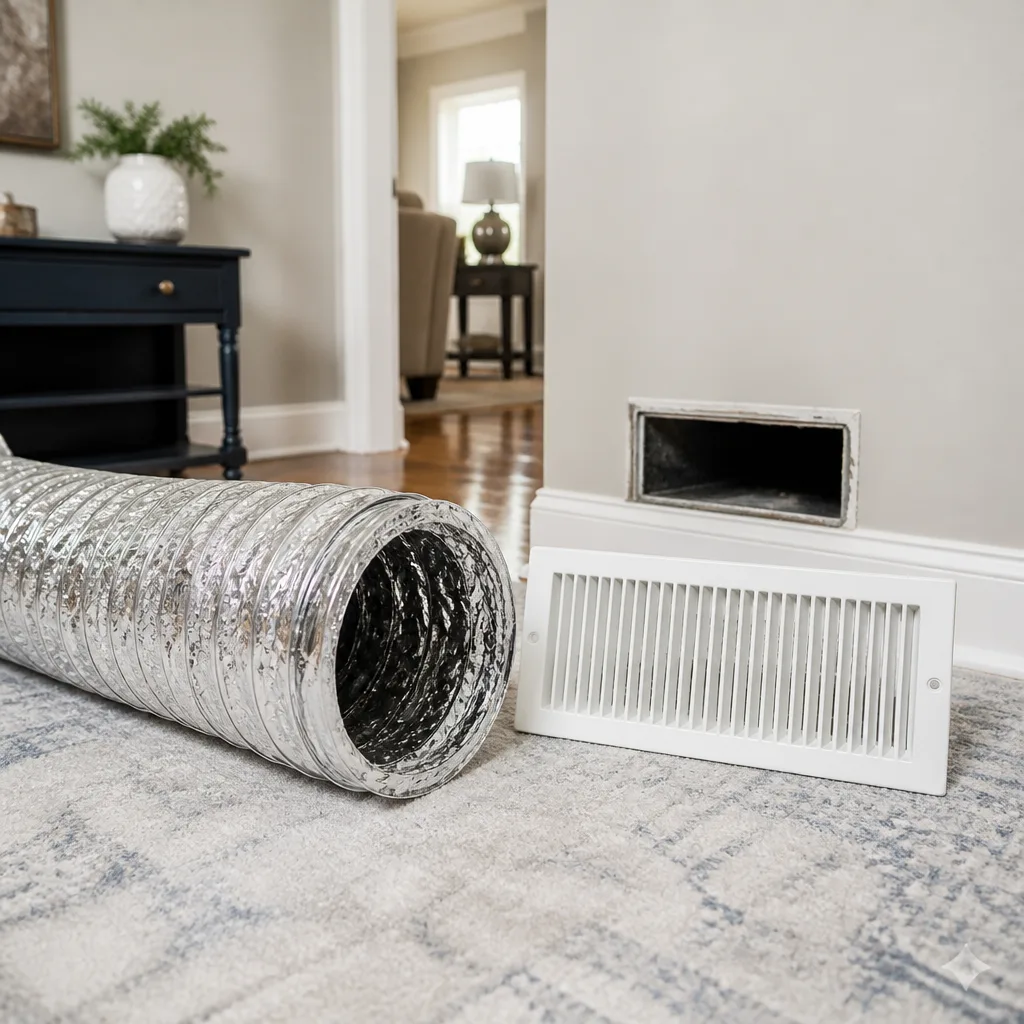 Whole-home duct cleaning
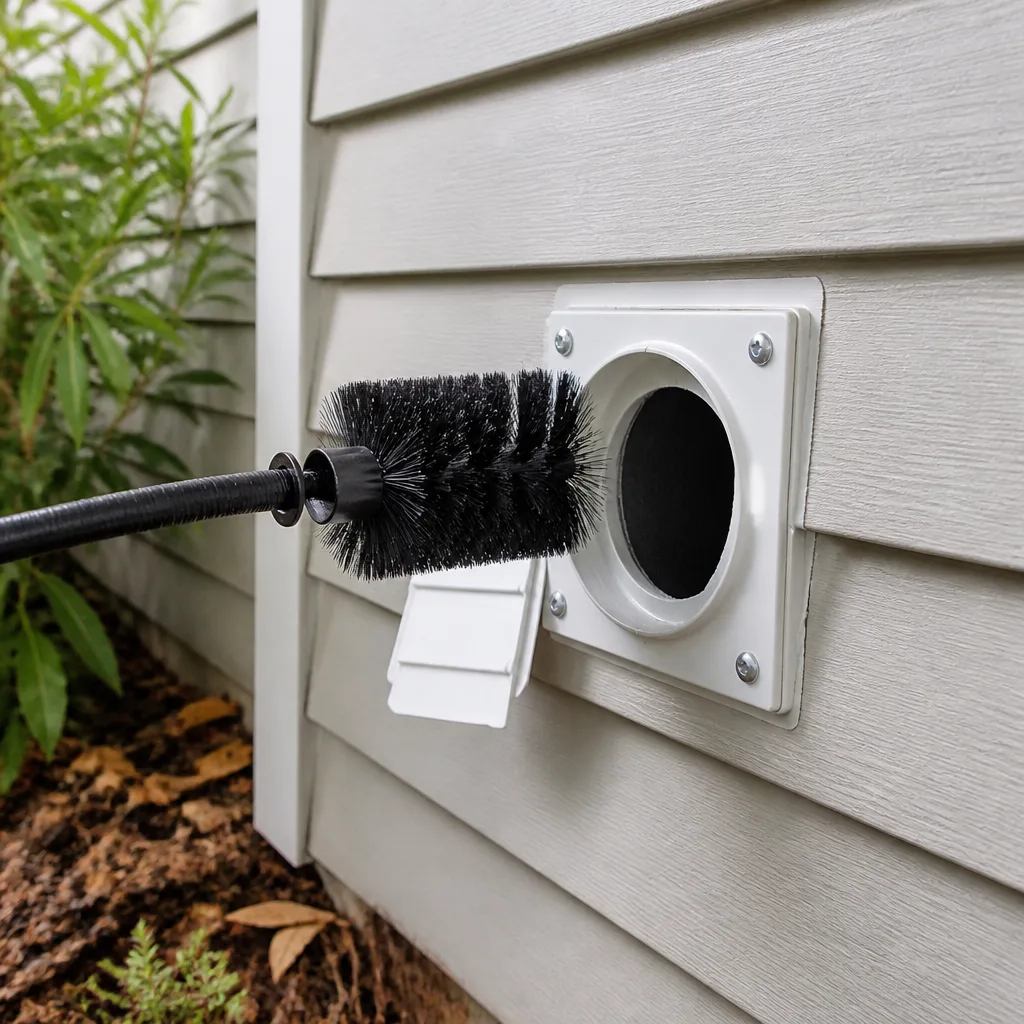 Dryer vent cleaning
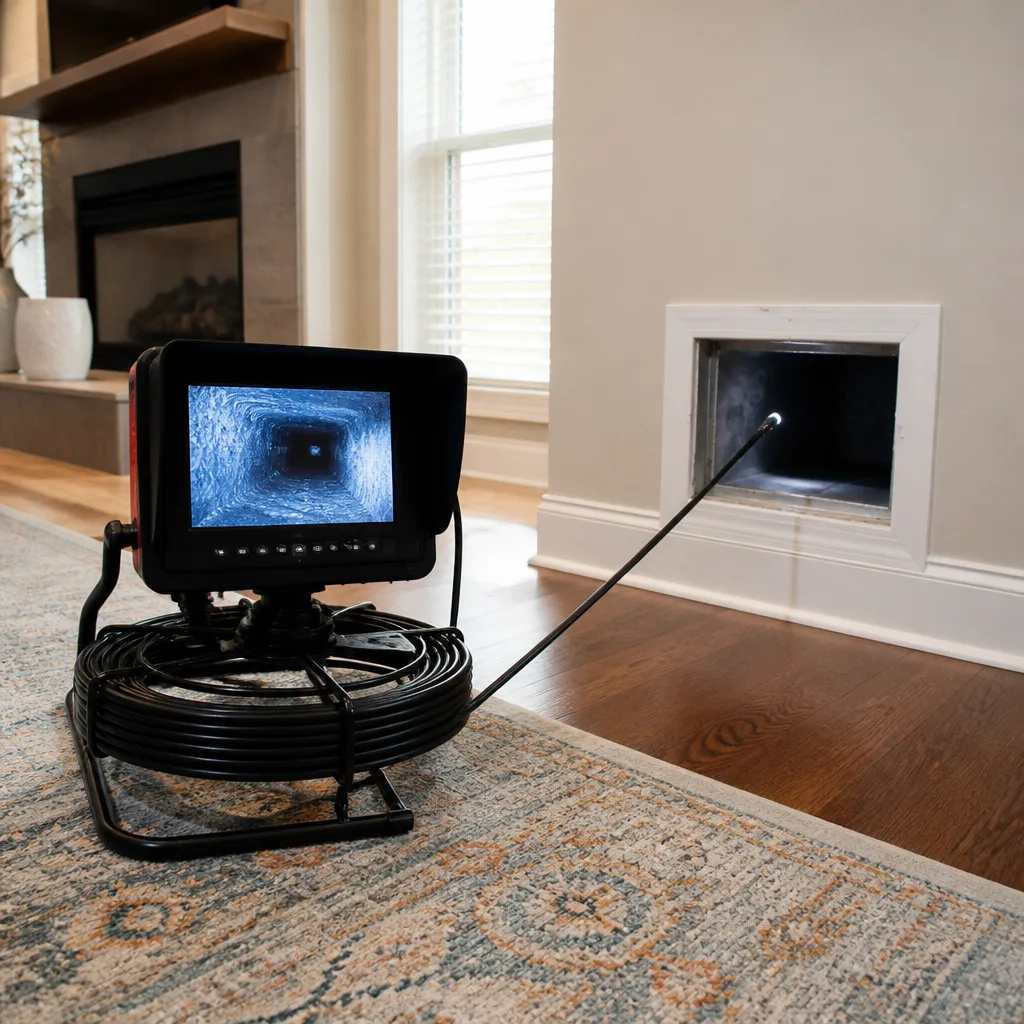 Camera inspection
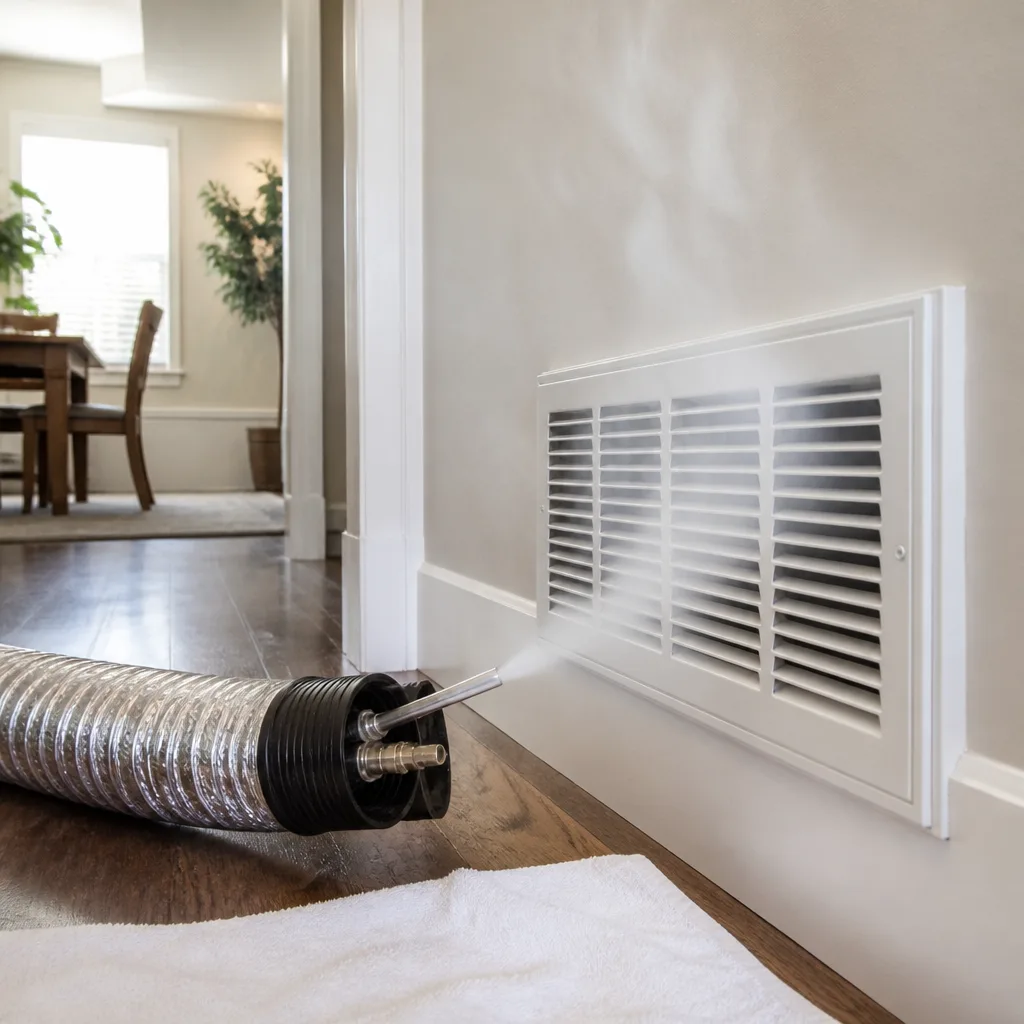 Sanitizing & deodorizing
Whole-system duct and dryer vent check with before-and-after photos - you see exactly what came out of your vents
That "$99 whole-house special" is a bait ad - the real number appears once they are in your hallway, or the "clean" is a shop-vac at the register. We photograph the inside of your ducts before and after instead.
Seasonal Air Duct Cleaning Care for Sparks: Year-Round Homeowner’s Guide
The worst time to discover your ducts are packed with wildfire ash is the first week of October, when you switch the thermostat from cooling to heating and push months of accumulated particulate through every room in the house. Most homeowners assume duct cleaning is an annual box to check. In Sparks, that thinking misses the point. This region puts four genuinely different stresses on a duct system, and each one peaks at a different time of year. This guide lays out what happens inside your ducts each season, what to check and when, and how to build a maintenance calendar that fits Sparks instead of a generic national template. Duct Cleaning Sparks works on these systems every week, and the seasonal pattern here is real.
Quick Answer
In Sparks, the highest-value time to clean air ducts is late September through October, right after smoke season and before you switch to heating, because that transition blows accumulated ash and dust through the whole house. A second important window falls in late spring, after the windy pollen season, before cooling loads ramp up. Between those two cleanings, filter changes and quick return-grille inspections do most of the maintenance work.
Styles & brands we work with
- Whole-home duct cleaning
- Dryer vent cleaning
- Camera inspection
- Sanitizing & deodorizing
Table of Contents
- Why Sparks Has Four Duct Seasons, Not Two
- Fall (September – October): The Highest-Stakes Cleaning Window
- Winter: Dry Air, Closed House, and Filter Choices That Matter
- Spring (March – May): Wind, Pollen, and Return Grilles
- Summer: Pre-Season HVAC Checks and Flex Duct Stress
- Your Month-by-Month Sparks Duct Calendar
- Why Repair Belongs in the Same Visit as Cleaning
- Dryer Vents: The Year-Round Safety Item
Why Sparks Has Four Duct Seasons, Not Two
Most duct cleaning advice splits the year into a heating season and a cooling season. In Sparks that split doesn’t hold up. Sitting at the eastern edge of the Truckee Meadows, the city gets a dry high-desert climate with sharp temperature swings, a windy spring that lifts a lot of fine dust, a summer smoke season, and a winter that is cold and dry rather than damp. Each of those conditions pushes a different kind of material into the duct system at a different time.
The practical result is four transition points rather than two:
- Early fall: smoke and dust season ends, and the first heating cycle moves everything that settled over the summer.
- Winter: the house stays closed for weeks, and dry indoor air concentrates fine dust that a filter has to catch.
- Spring: wind-driven dust and pollen load up return grilles and filters faster than at any other time of year.
- Summer: high cooling demand stresses duct connections, and unconditioned attic spaces get hot enough to cause condensation problems.
Time maintenance to those four transitions and the system stays ahead of the buildup. Time it to an arbitrary anniversary date and you’ll usually clean either too late or for the wrong reason. That’s the whole argument for a seasonal approach here. The calendar isn’t the point; the sequence of local stresses is.
Our technicians have up to experience on duct systems in this region, and the seasonal pattern below comes straight from that work. If you want the plain-English service overview instead of the seasonal detail, the air duct cleaning page covers it.
Fall (September – October): The Highest-Stakes Cleaning Window
If you clean your ducts only once in a Sparks year, do it in late September or October, before you turn the heat on for the season. Here’s the reasoning. Through July and August, the system runs mostly on cooling. Any wildfire smoke particulate, outdoor dust, and normal household debris that finds its way into the return side tends to settle rather than move. When the first cold night arrives and the furnace or heat pump kicks in, that settled layer lifts and distributes through every supply register in the house at once.
Homeowners notice this as a faint burnt or dusty smell on the first heat cycle of the year. Sometimes that’s just dust burning off the heat exchanger. Sometimes it’s the contents of the ducts finally moving. Late-fall cleaning, done before the switch, removes the second problem entirely.
What fall cleaning should include
- A full inspection of the return and supply sides before any work starts, with photos you can look at.
- Rotary brush agitation of the duct walls, which loosens material that a plain vacuum can’t dislodge. We use the Rotobrush system specifically because it’s built for this rather than adapted from consumer equipment.
- Containment-level extraction through a HEPA-rated vacuum. Our work relies on Nikro HEPA equipment so that loosened debris leaves the system instead of drifting into the room.
- A look at flex duct connections, boots, and the air handler cabinet for anything that needs repair.
- Before-and-after photos of your own ducts, so the result is documented, not just promised.
That documentation matters if you’re selling a house or managing a rental, and it matters for allergy management too. If you’re preparing a Sparks property for inspection, the Sparks service area page explains how estimates work for this kind of scheduled job.
Winter: Dry Air, Closed House, and Filter Choices That Matter
Winter in Sparks is dry and cold, and the house is shut up for months. That combination doesn’t create new dust so much as concentrate what’s already there. With windows closed and forced air running constantly, fine particles that would normally disperse outdoors keep recirculating. The filter is doing most of the work, and a cheap one clogs fast.
MERV ratings for a Sparks winter
MERV is the rating scale for how well a filter catches particles; higher numbers catch finer material, but they also restrict airflow more. In our experience, most Sparks homes with standard residential ductwork do well in the MERV 8 to MERV 11 range for winter. That’s enough to catch the fine dust and smoke residue that recirculates in a closed house without choking a system that was designed around a basic filter.
A few caveats worth knowing:
- Don’t jump to a very high MERV rating without checking what your equipment can handle. Oversized filtration can reduce airflow and strain a blower.
- Change filters more often in winter than in a mild climate. A dry, dusty house loads a filter quickly.
- If you use a whole-home air cleaner from Honeywell or Aprilaire, follow that unit’s own replacement schedule rather than the generic filter advice. These systems are engineered for their own media, and we work with both brands regularly.
Winter is also a good time to schedule the cleaning you didn’t get to in fall, or to have repairs done on duct runs you know are leaky. Closed-house conditions make leaks in unconditioned space more noticeable, because you can feel the draft at a register or see a temperature imbalance between rooms. We find those problems and repair them in the same visit rather than referring them out, which saves you from two separate appointments in the middle of the heating season.
Spring (March – May): Wind, Pollen, and Return Grilles
Spring is the windiest stretch of the year in the Truckee Meadows, and it coincides with pollen season. Fine dust and pollen get pulled in through the return side of the system, and the return grilles are where most of it collects first. This is the season to check grilles by hand, not wait for a professional cleaning.
What to check in spring
- Pull each return grille and look at the surface of the filter and the frame behind it. You’re checking for a visible mat of dust, not a light film.
- Change the filter when it’s loaded. In spring in Sparks, that may be more often than the package recommends. The package assumes a national average, and this isn’t a national-average climate.
- Look for debris that has fallen into the return boot itself, especially in homes near open lots or new construction.
- Check that return grilles aren’t blocked by furniture or rugs, since spring is when people rearrange rooms.
Spring is also the right time to book the professional cleaning if you skipped fall, or to book a second cleaning if you’re sensitive to pollen indoors. A late-spring cleaning after the peak of the windy season removes the pollen and dust the filter didn’t catch, and it sets the system up clean going into cooling season. Between a fall cleaning and a late-spring cleaning, most Sparks homes are well covered for the year.
One thing we’d caution against: sealing up a dusty return grille with tape or a makeshift cover to keep pollen out. That restricts airflow and creates its own problems. Better to change the filter and clean the grille than to block it.
Summer: Pre-Season HVAC Checks and Flex Duct Stress
Summer in Sparks means heavy cooling loads, and heavy cooling loads put stress on the parts of a duct system most likely to fail: the connections between flex duct and the boxes or boots it attaches to. When the system runs hard for weeks, those collars flex, and a loose collar leaks conditioned air into an attic that may be well over 100 degrees. You pay to cool air that never reaches the room.
Pre-summer checks worth doing
- Have the HVAC system checked before the cooling season starts, not in the middle of a heat wave. A pre-season checkup catches airflow problems before demand peaks.
- Walk the attic or crawlspace if you can safely access it, and look at the flex connections at each boot and box. Loose tape, sagging runs, and disconnected collars are common.
- Watch for signs of duct sweating in unconditioned attic spaces. Condensation on duct surfaces in a hot attic points to an insulation or seal problem, not just a humidity problem.
- Note any rooms that never cool properly. A persistent hot room often means a leaking or disconnected duct run rather than a weak AC.
Duct repair as a standalone service matters here. A cleaning that turns up a disconnected flex run is only half useful if the repair gets scheduled for another day, so we handle the repair in the same visit. If you’re seeing uneven cooling or attic condensation, that’s a sign to have the system inspected rather than to keep adjusting the thermostat. The professional-grade equipment we bring (Rotobrush and Nikro, plus Abatement Technologies filtration tools for contamination control) lets us assess and clean in one pass, but the repair is what actually fixes the airflow problem.
Your Month-by-Month Sparks Duct Calendar
Here’s the year laid out as a homeowner task list. It’s built for Sparks specifically, not adapted from a national template, and it assumes a typical forced-air system with a standard filter setup.
| Month | What to do | Why it matters here |
|---|---|---|
| January | Change filter, spot-check return grilles | Closed-house winter concentrates fine dust |
| February | Change filter, listen for drafts at registers | Dry winter air and duct leaks show up now |
| March | Check return grilles for pollen and dust, change filter | Wind and pollen season starts |
| April | Change filter, inspect grille boots for debris | Peak wind and pollen load |
| May | Book professional cleaning if skipped fall, pre-summer HVAC check | Clean system before cooling season |
| June | Check flex duct connections if you can access them | Cooling loads begin stressing collars |
| July | Watch for uneven cooling and attic condensation | High cooling demand reveals duct leaks |
| August | Change filter, monitor for smoke-season particulate | Wildfire smoke season |
| September | Book fall cleaning, take before-and-after photos | Highest-stakes cleaning window opens |
| October | Clean before switching to heating | Heating transition pushes settled ash through house |
| November | Change filter, confirm heating airflow is even | Closed-house conditions begin |
| December | Change filter, check register airflow room to room | Dry winter dust recirculates constantly |
Note that filter changes come up several times in that table. That’s on purpose. The single highest-value thing a homeowner can do between professional cleanings is keep a clean filter in the system, and in this climate that means changing it more often than a generic package label suggests.
Why Repair Belongs in the Same Visit as Cleaning
A duct cleaning exposes problems that aren’t visible from the outside: loose collars, disconnected flex runs, crushed sections, leaky boots, and in some cases duct material that has degraded. If the crew that cleans your ducts can also repair them, you get a working system rather than a clean but still-leaky one. That’s why Air Duct Repair is a standalone service in our lineup.
The alternative, referral out to a separate contractor, tends to mean waiting, rescheduling, and hoping the second contractor sees the same things the cleaner did. In our experience, doing the inspection, cleaning, and repair as one job produces a more consistent result and a more useful record of what was done. For property managers passing a rental inspection, that single-visit record is worth a lot.
Our familiarity with Honeywell and Aprilaire equipment also helps here. When a home has one of those systems, the repair and cleaning plan needs to account for how the air cleaner is integrated, and we can work within that setup rather than around it.
Dryer Vents: The Year-Round Safety Item
Dryer vent cleaning isn’t seasonal in the same way duct cleaning is, but it belongs in the annual plan because lint accumulation is a leading household fire risk, and many duct-only cleaners skip it entirely. In a closed-up Sparks winter, a dryer runs more often on synthetic fabrics that shed lint, and a vent that isn’t clear can’t exhaust properly.
Here’s a simple annual schedule for the dryer vent, independent of the duct calendar above:
- Clear the lint trap before each load as a baseline habit.
- Inspect the outdoor vent flap once a season to confirm it opens freely and nothing is nesting in it.
- Book a professional dryer vent cleaning once a year, or sooner if drying times have lengthened noticeably.
If you want the detail on how that service runs, the dryer vent cleaning page covers what’s involved. Clean ducts, repaired ducts, and safe dryer vents are three separate jobs, and a seasonal plan worth keeping has all three in it.
Common Mistakes to Avoid
- Cleaning on an arbitrary annual schedule. A cleaning in July, before smoke season, does nothing for the ash that will settle by October. Time it to the fall transition and you get the full benefit.
- Skipping the fall cleaning to save a step. The heating transition is the one time of year when everything settled in the ducts moves through the house at once. Cleaning before it is the highest-value single action in the calendar.
- Buying the highest MERV filter on the shelf. Oversized filtration can restrict airflow in a system designed for a basic filter. MERV 8 to MERV 11 is a sensible range for most Sparks homes; confirm what your equipment can handle.
- Ignoring return grilles through spring. These are where wind-driven dust and pollen collect first, and a quick manual check in March and April catches problems before they load the whole system.
- Treating a duct cleaning as a substitute for repair. A clean duct that’s disconnected at the collar still leaks conditioned air into the attic. Have the repair done in the same visit.
- Forgetting the dryer vent entirely. Many duct-only cleaners don’t touch it, and lint buildup in the vent is a genuine fire risk, not just a slower-drying inconvenience.
- Sealing a dusty grille instead of cleaning it. Blocking a return to keep out pollen or dust restricts airflow and creates a bigger problem than it solves.
See the difference
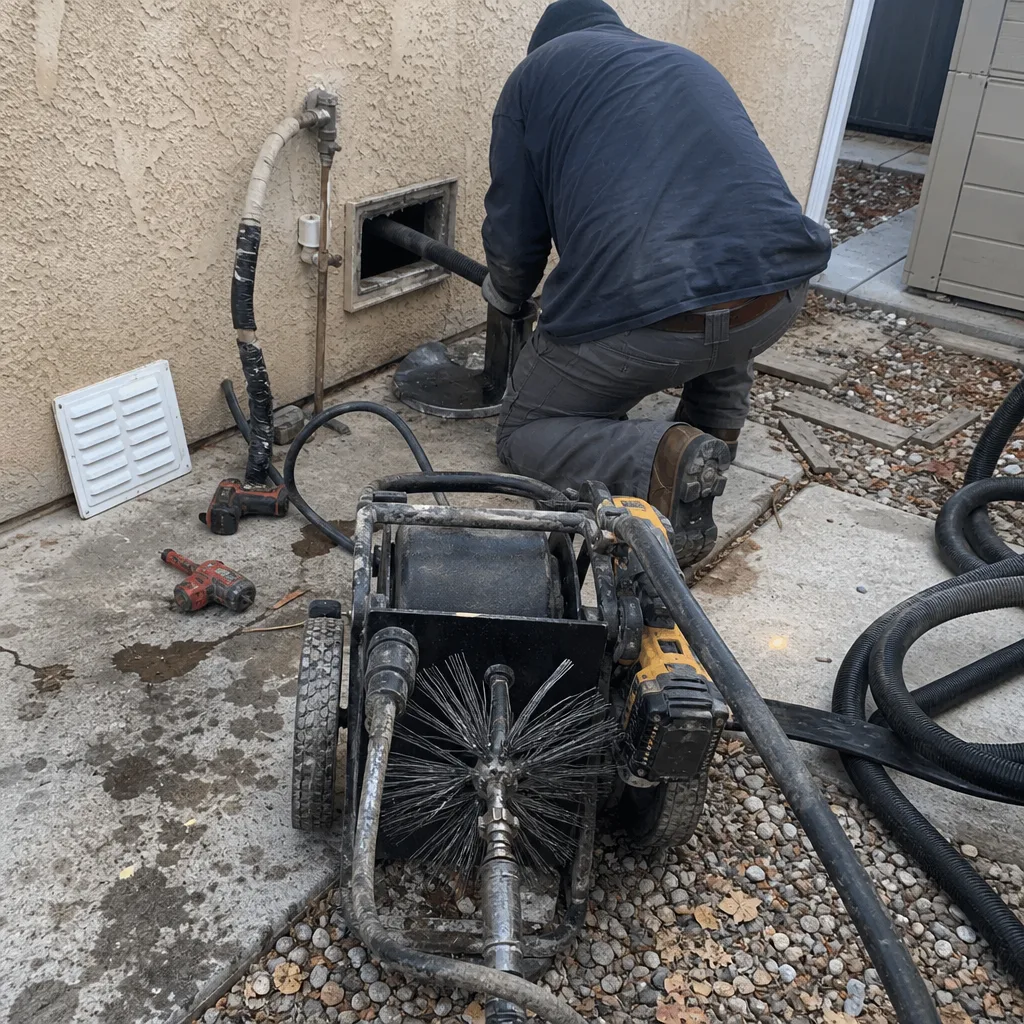 Before
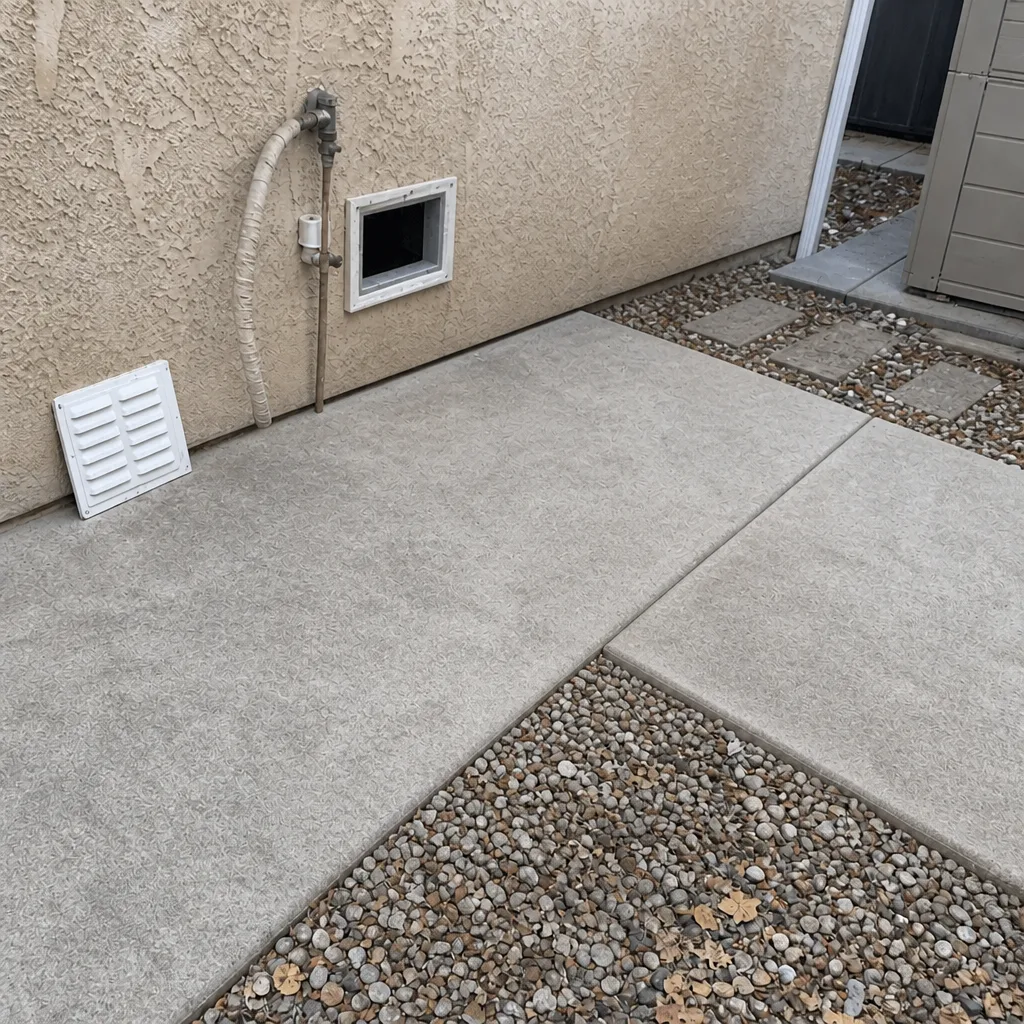 After
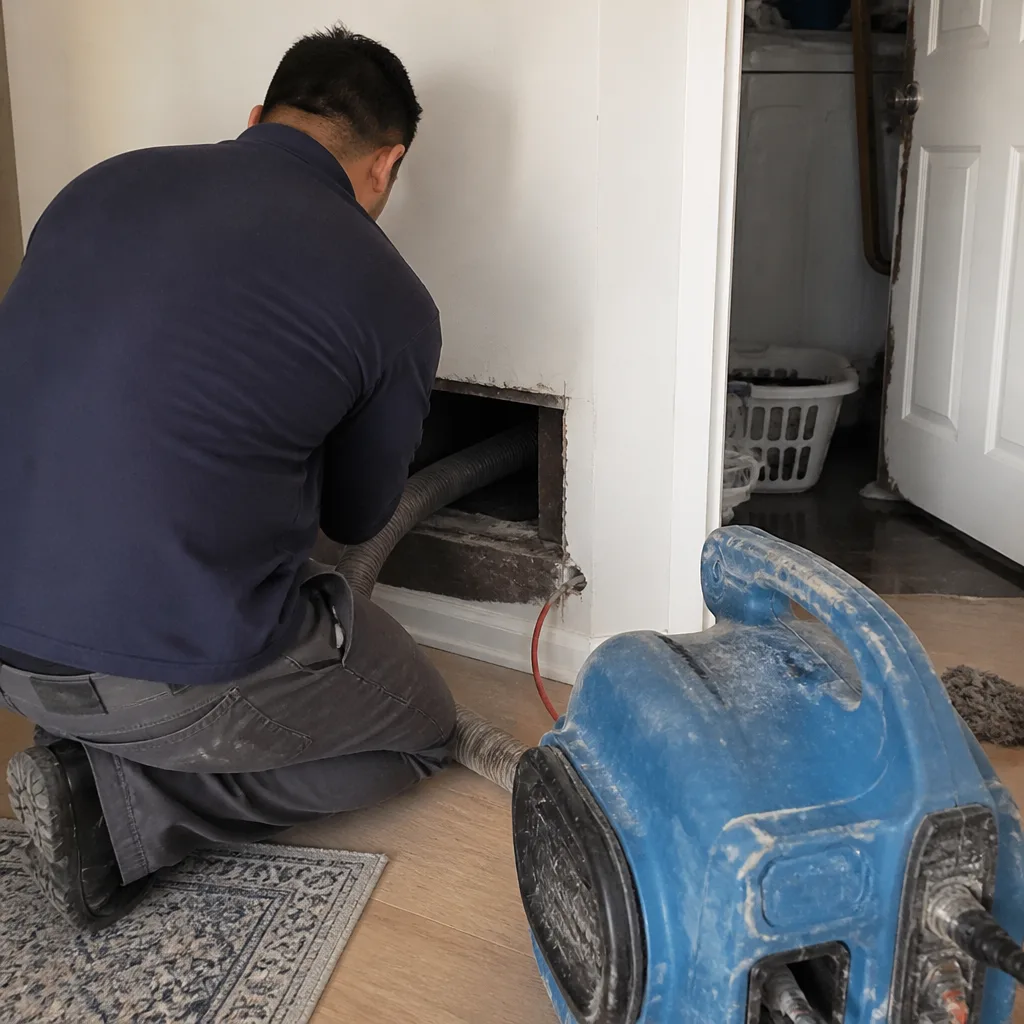 Before
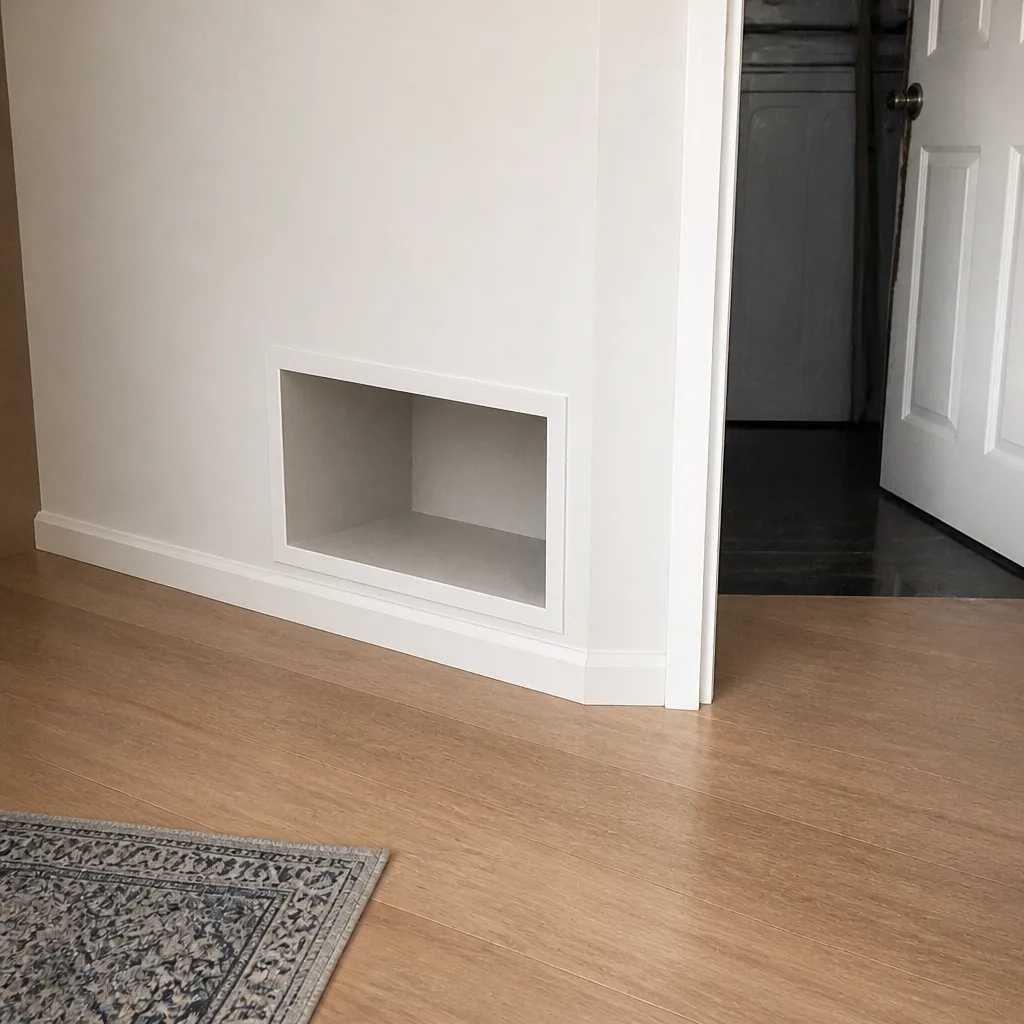 After
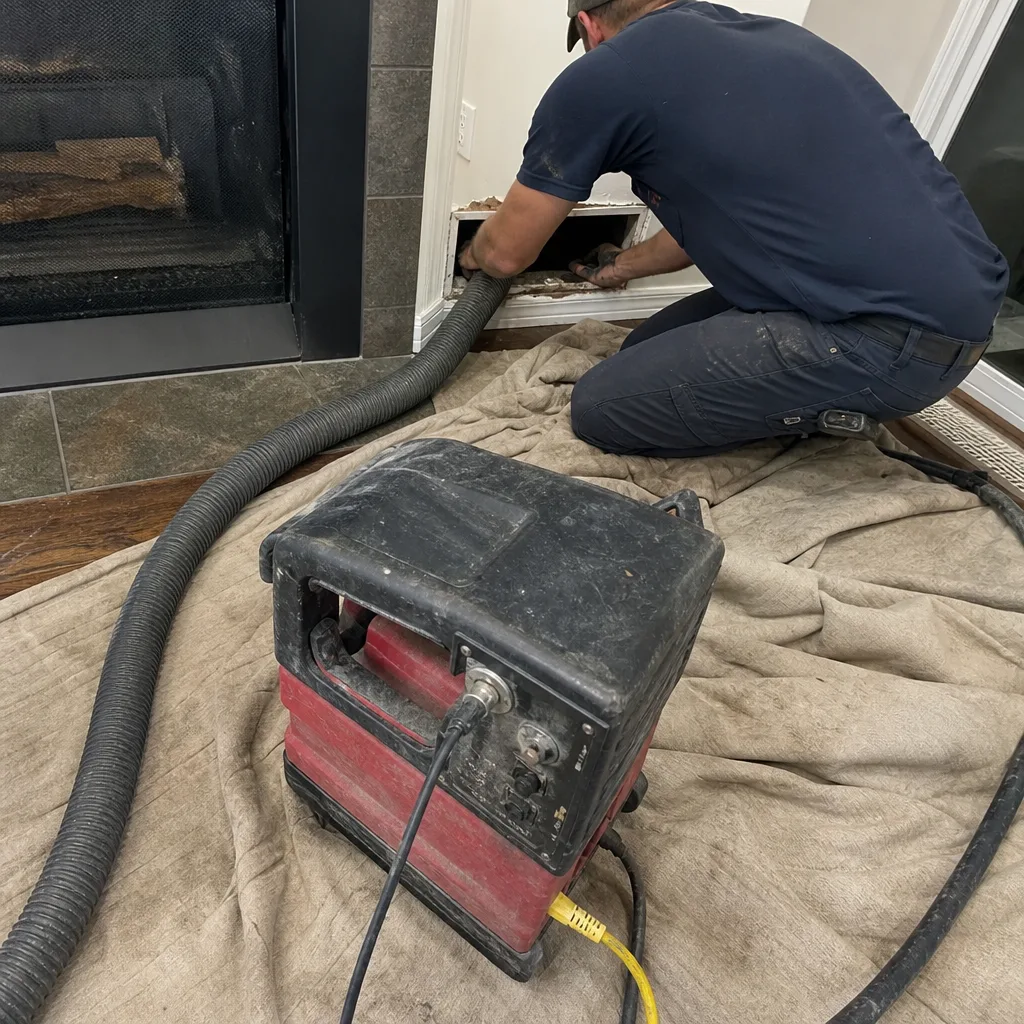 Before
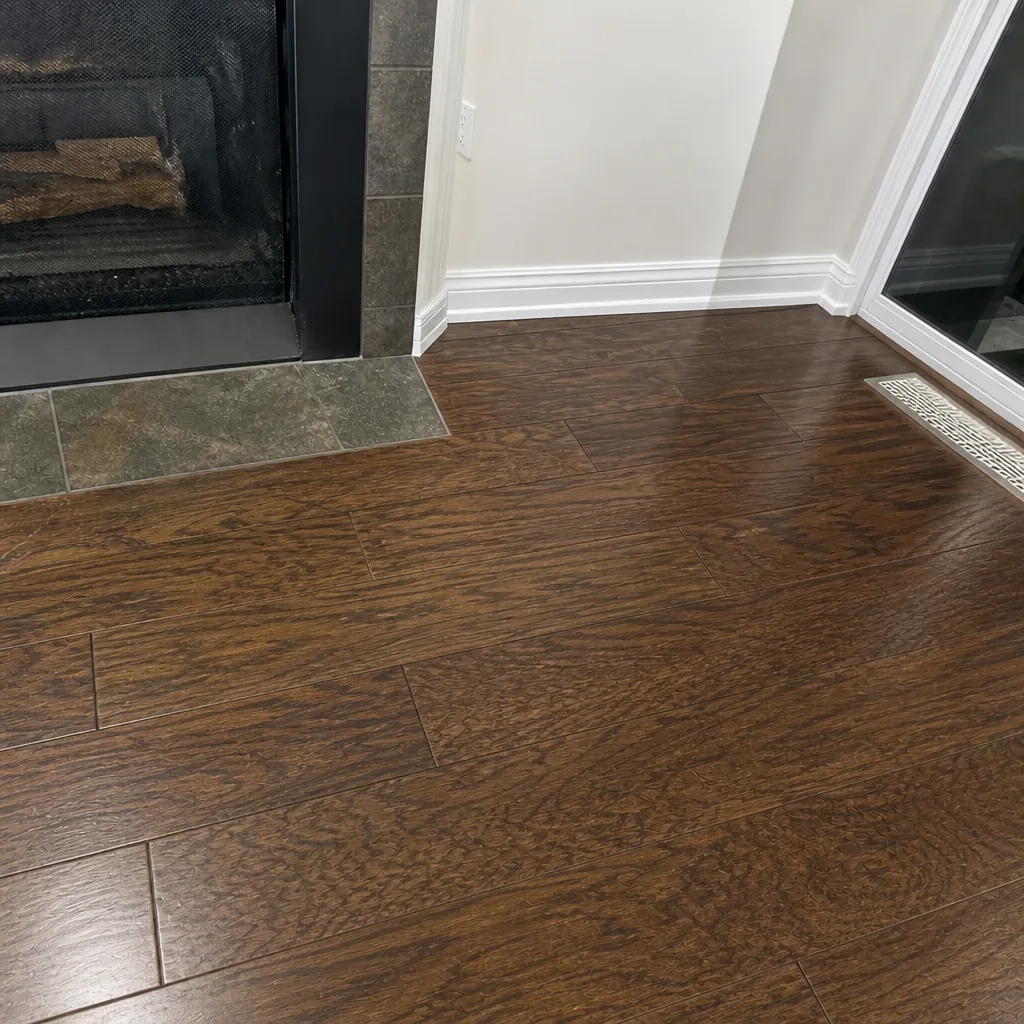 After
When to Call a Professional
Some duct work is a homeowner filter change. Some of it isn’t. Call a professional if you notice a burnt or dusty smell on the first heat cycle of the year that doesn’t clear within a day or two, if you’ve just bought a home and don’t know when the ducts were last cleaned, if you’re managing allergies and home remedies haven’t helped, or if a rent-inspection or home-sale report requires documented cleaning. Call as well if you see uneven cooling between rooms, condensation on ducts in the attic, or flex connections that look loose or disconnected. Duct Cleaning Sparks offers free estimates in Sparks. Call (888) 561-9258. We answer 24/7. Fast dispatch from 7am to 7pm, Sunday through Friday. Estimates are free and the price is set per job by the written estimate.
Frequently Asked Questions
Once a year is a reasonable baseline for most Sparks homes, ideally timed to the late-fall window before the heating season starts. Homes near open lots, homes with pets, and homes where someone has allergies may benefit from a second cleaning in late spring, after the windy pollen season.
Late September or October is the best month, because cleaning before you switch from cooling to heating keeps wildfire smoke residue and summer dust out of the air you breathe all winter. If you can only do one cleaning a year, make it that one. Call (888) 561-9258 for an exact quote. Estimates are free.
Pricing depends on the size and layout of the system, so it’s quoted per job rather than per vent. We give a single flat price per system agreed before work starts, and the written estimate sets the final price. There’s no per-vent pricing and no teaser coupon that turns into a bigger invoice once the technician is on site. Call (888) 561-9258 for an exact quote. Estimates are free.
Usually because the equipment is consumer-grade or the work is per-vent with add-ons, or because the cleaning is superficial. Cheap quotes tend to skip the rotary agitation and HEPA containment that actually remove material from the duct walls. Ask what equipment a company uses before you book. We use Rotobrush and Nikro systems, and we show before-and-after photos of your own ducts.
Ask for before-and-after photos of your specific ducts, and check that the technician walked you through what was found and fixed. With us, the photos are part of the job, and the flat price per system is agreed before work starts, so there’s no surprise line item at the end. Call (888) 561-9258 for an exact quote. Estimates are free.
In most homes, a MERV 8 to MERV 11 filter works well for a Sparks winter, which is dry and closed-up. That range catches fine dust without restricting airflow the way a higher-MERV filter can. If you have a whole-home air cleaner from Honeywell or Aprilaire, follow its own media schedule instead.
Uneven cooling between rooms, drafts at registers, and condensation on ducts in the attic are all signs of a leaking or disconnected run. Have the system inspected rather than continuing to adjust the thermostat. We handle duct repair in the same visit as the cleaning, so the fix isn’t deferred.
The Bottom Line
Sparks puts four separate stresses on a duct system each year, and timing maintenance to those transitions beats an arbitrary anniversary date. Prioritize a late-fall cleaning before the first heat cycle, keep filters changed through winter and spring, check return grilles during the windy months, and watch for flex duct problems in summer. Add an annual dryer vent cleaning and you’ve covered the full system. Clean ducts, repaired ducts, and safe dryer vents, on a schedule that fits this climate. That’s the whole plan, and it’s one a homeowner can actually keep.
Call (888) 561-9258 for a free estimate. We answer 24/7. Fast dispatch from 7am to 7pm, Sunday through Friday.
Written by the team at Duct Cleaning Sparks.