
Last updated November 16, 2026
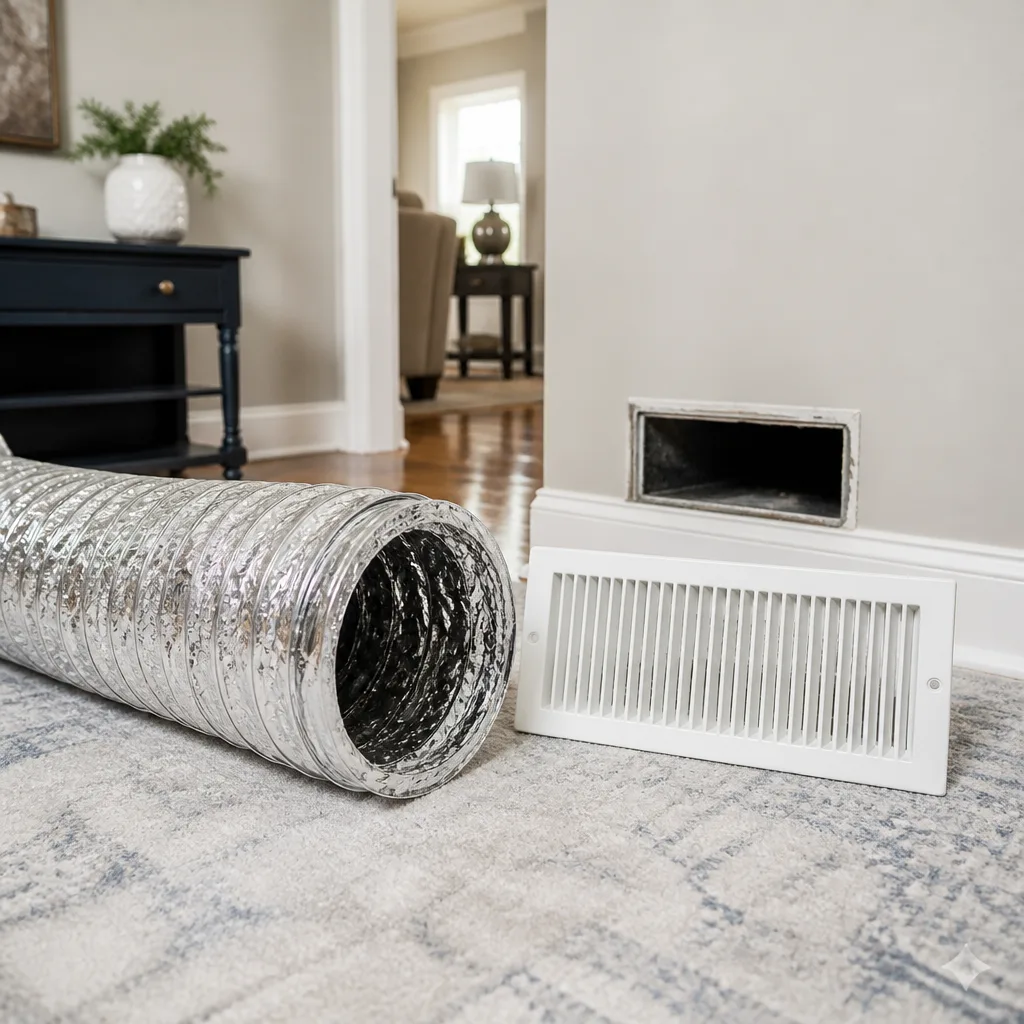 Whole-home duct cleaning
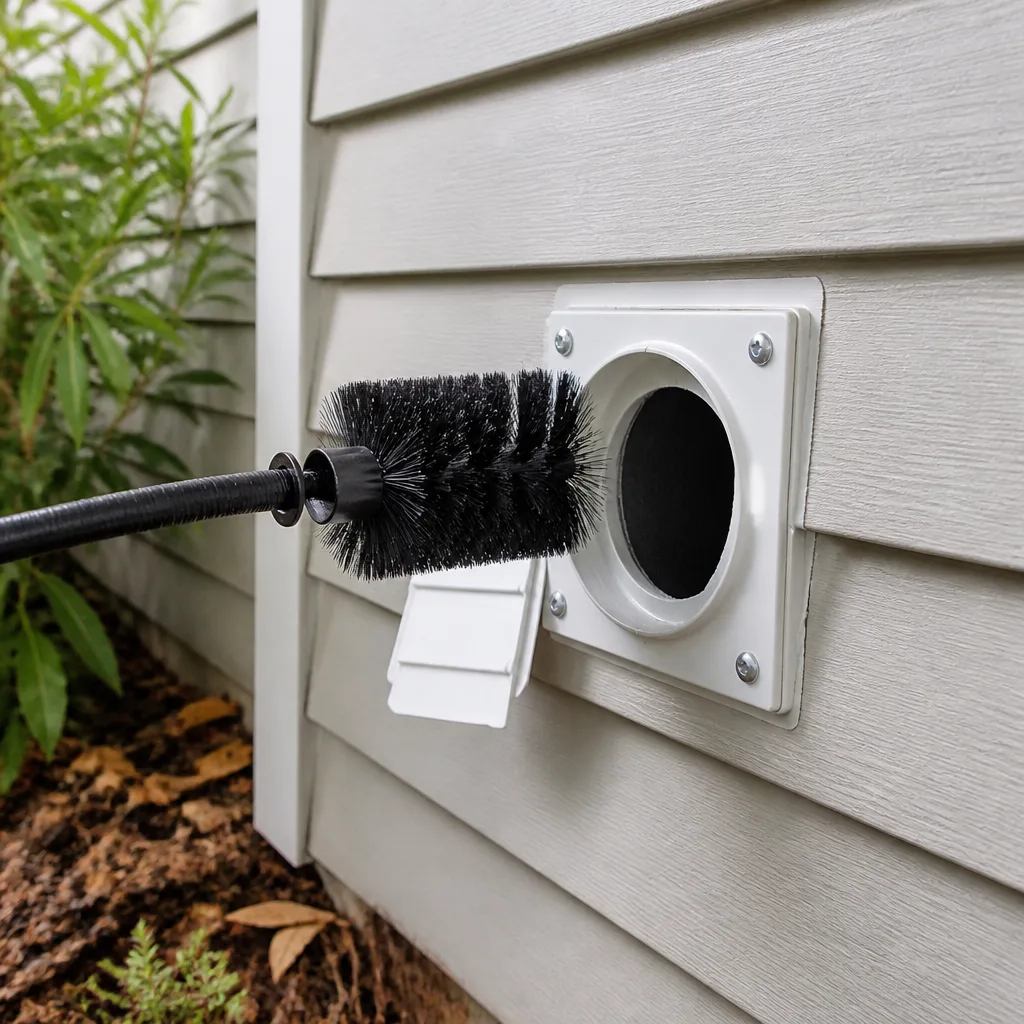 Dryer vent cleaning
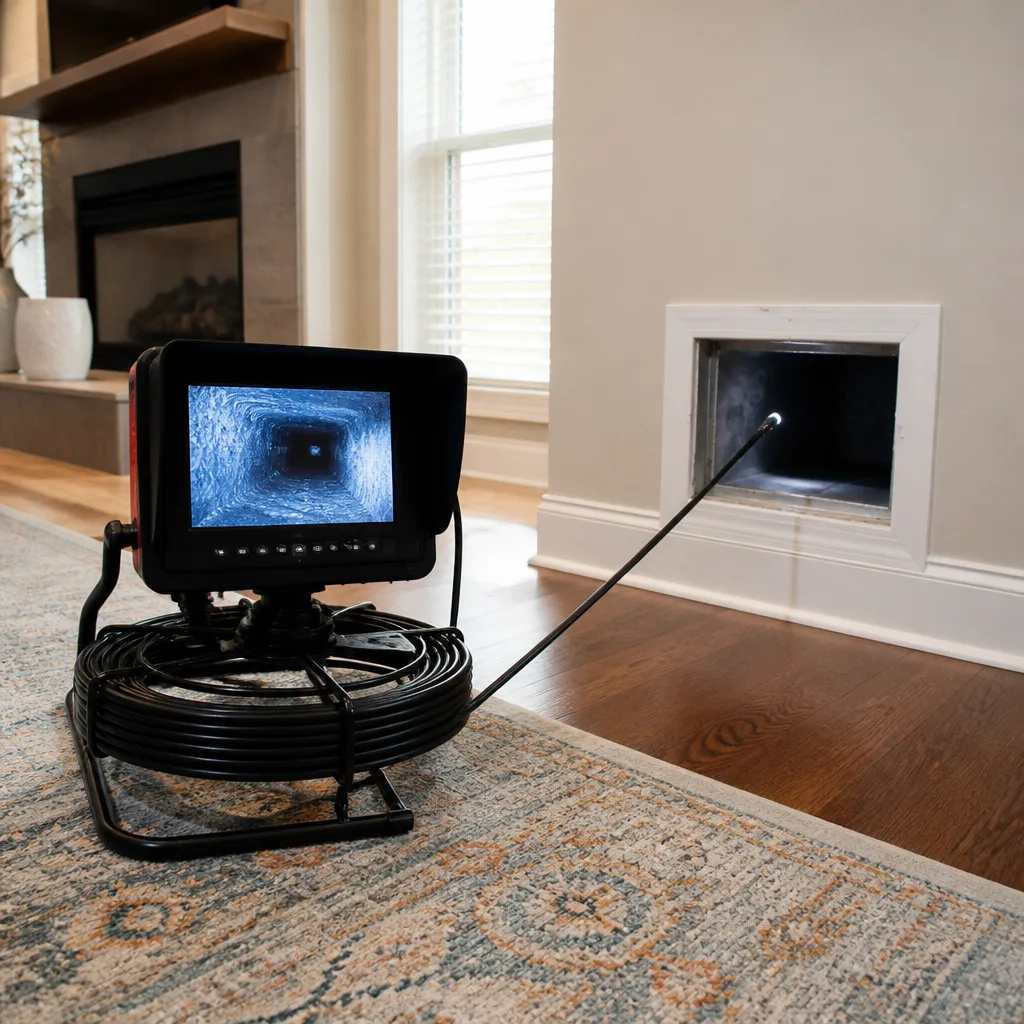 Camera inspection
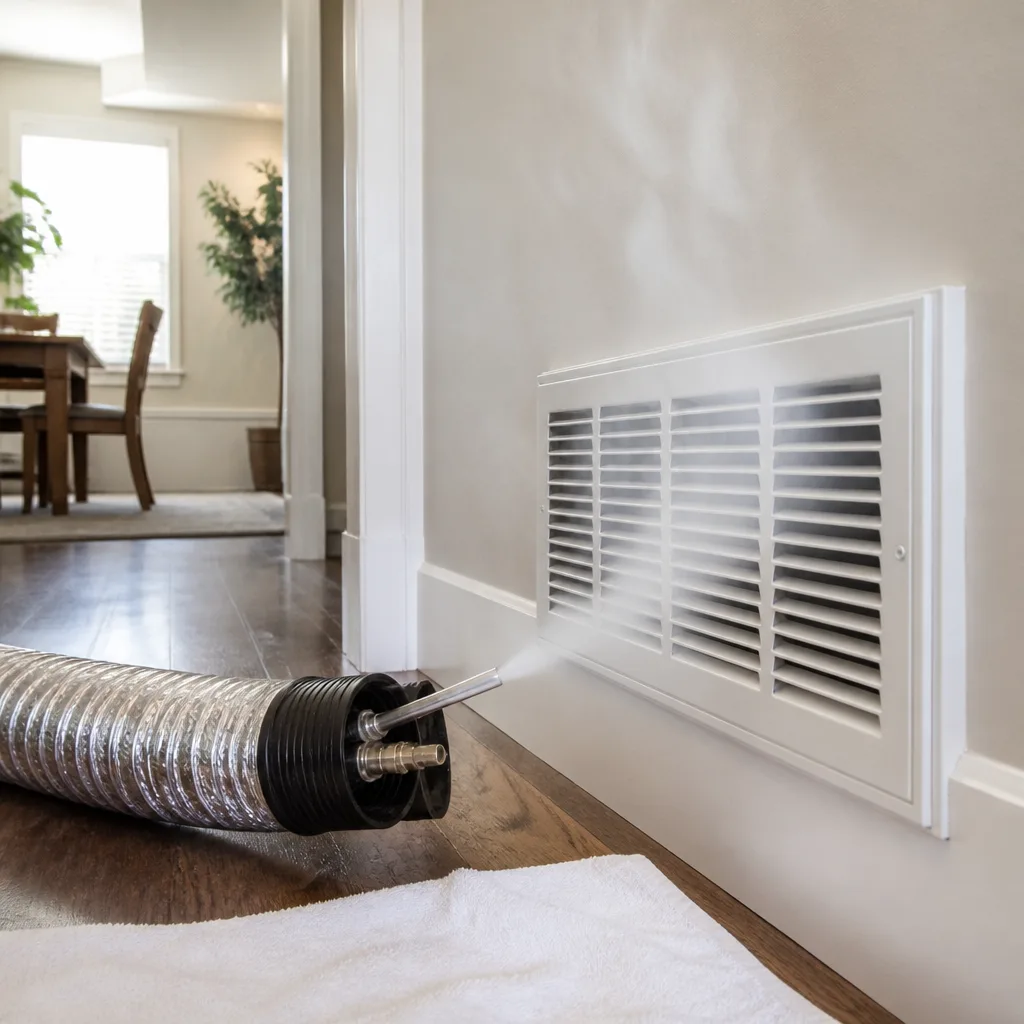 Sanitizing & deodorizing
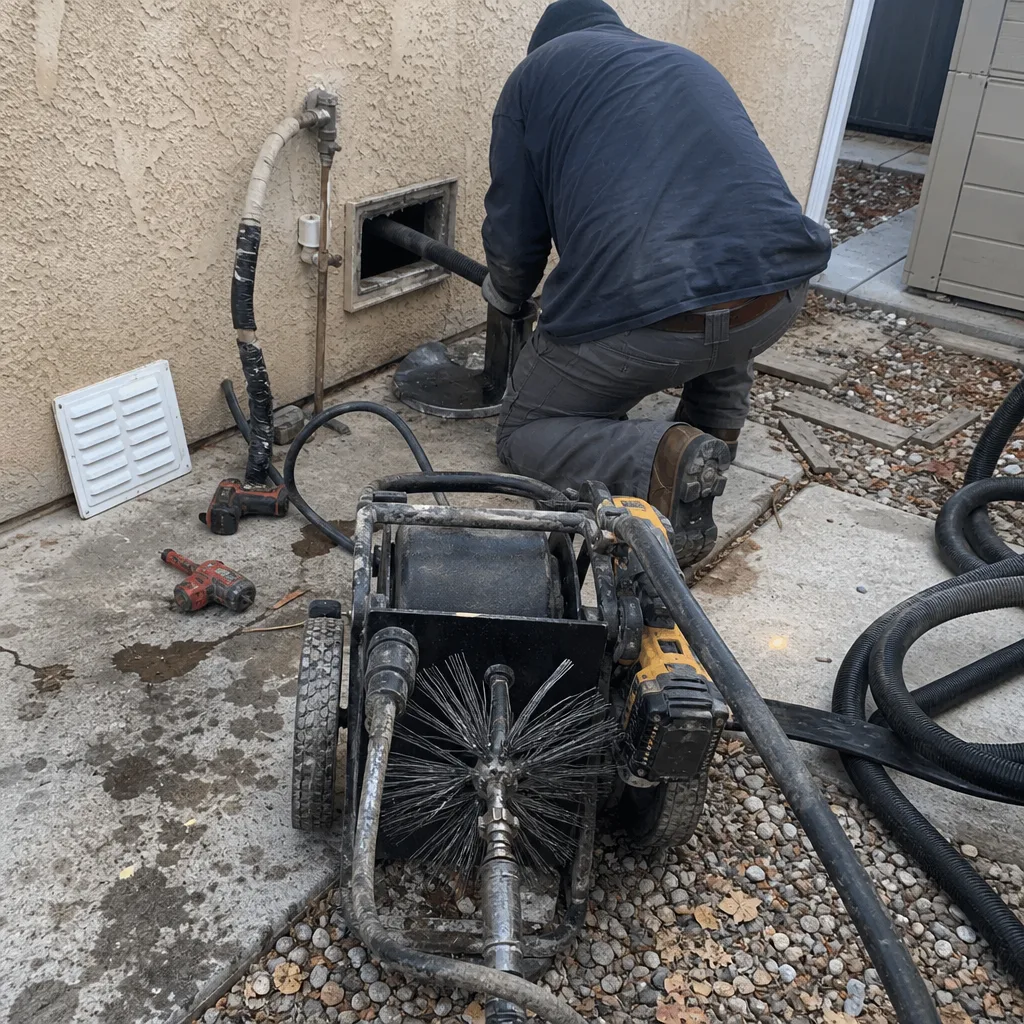
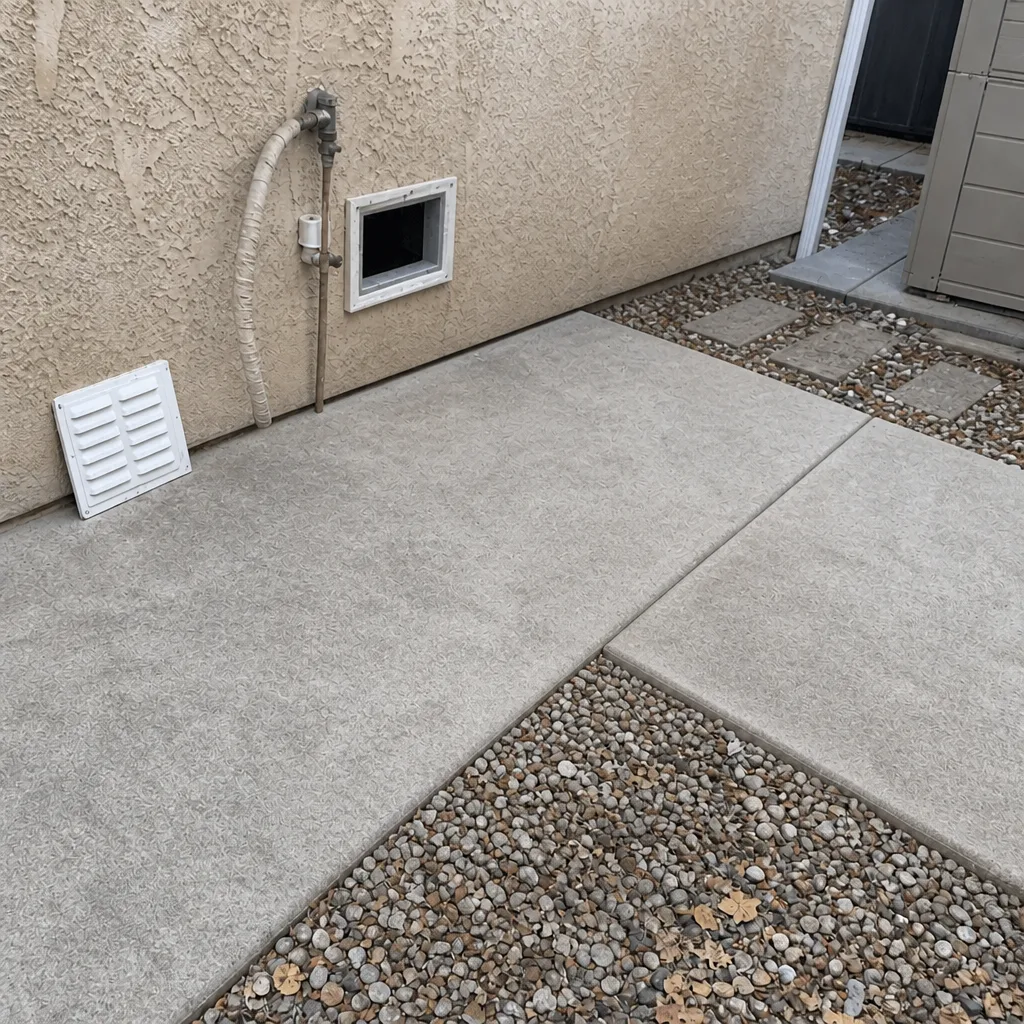
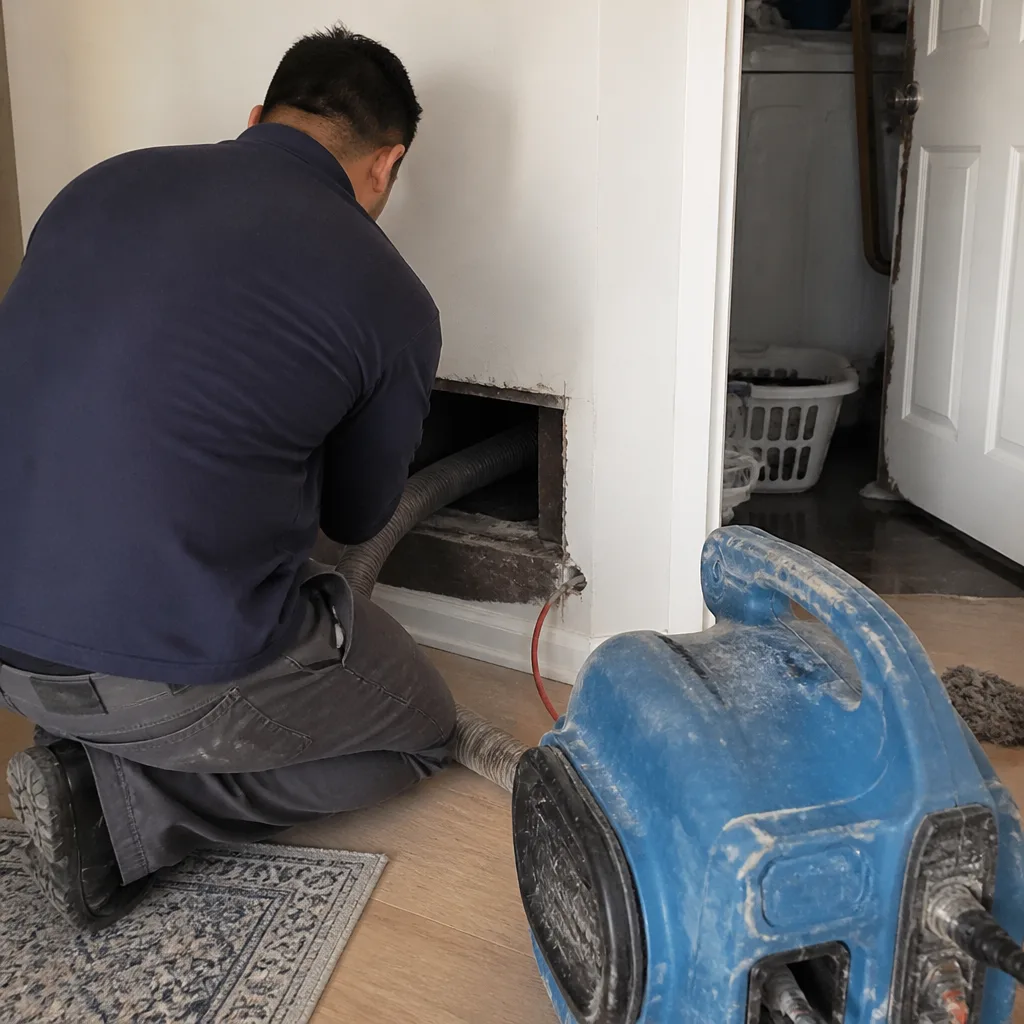
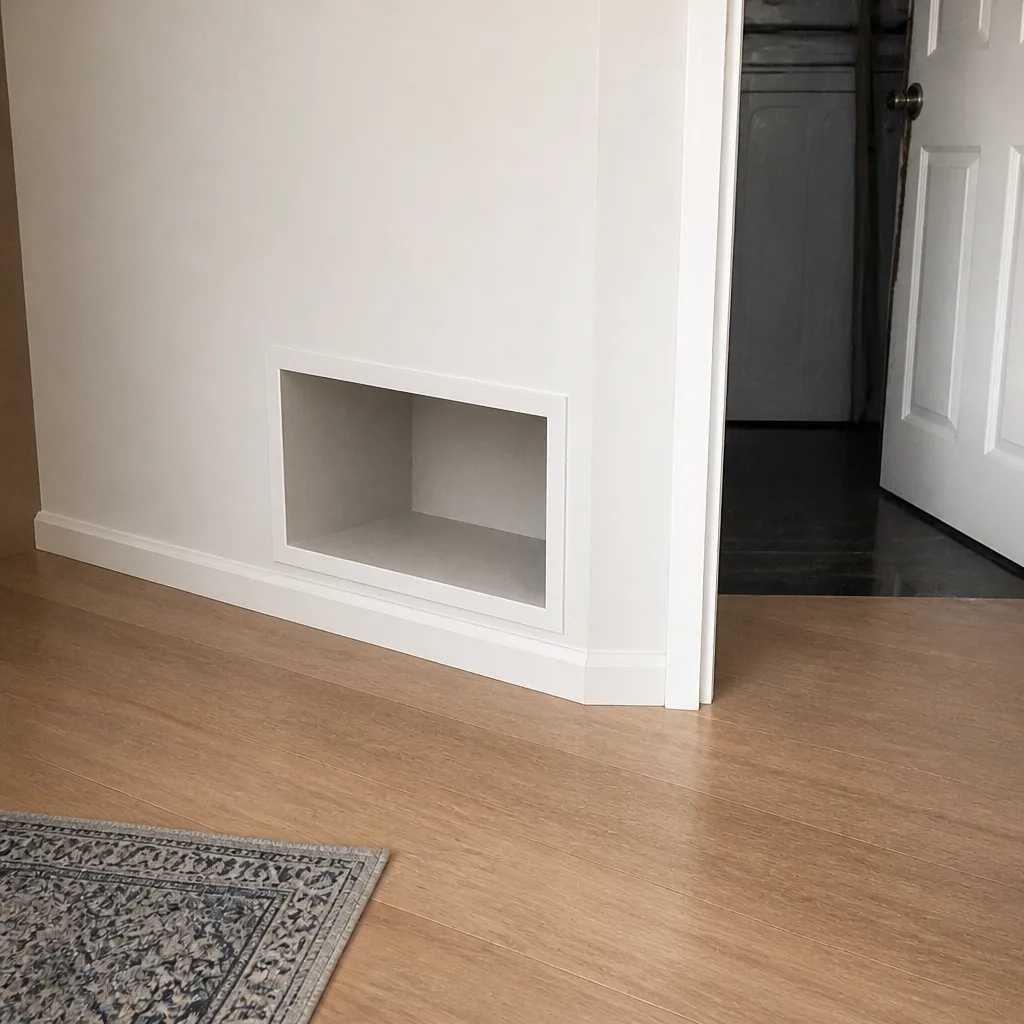
Whole-system duct and dryer vent check with before-and-after photos - you see exactly what came out of your vents
That "$99 whole-house special" is a bait ad - the real number appears once they are in your hallway, or the "clean" is a shop-vac at the register. We photograph the inside of your ducts before and after instead.
DIY vs Professional Air Duct Cleaning: The Sparks Homeowner’s Decision Guide
Running a household vacuum into your supply vents feels productive. You can hear the debris moving. That sound is the problem: a shop vac pulls air, but it doesn’t contain what that air carries, so dust, lint and loose debris get stirred up and pushed back through the system instead of removed from it. Duct cleaning is a pressure problem before it’s an effort problem, and consumer equipment almost never meets the pressure requirement. This guide explains what actually happens inside a duct system, which DIY tasks are legitimate, which ones make a professional job harder, and how a Sparks homeowner should decide.
Quick Answer
DIY air duct cleaning is worth doing for surface-level upkeep: register wiping, filter changes, accessible flex duct inspection, and dryer vent lint removal. It is not a substitute for professional cleaning, because consumer vacuums and rental units can’t produce the negative air pressure needed to evacuate a trunk-and-branch duct system, and running one into a vent can redistribute contamination rather than remove it. A professional system pairs mechanical agitation with contained extraction, which is a different process, not a stronger version of the same one.
Styles & brands we work with
- Whole-home duct cleaning
- Dryer vent cleaning
- Camera inspection
- Sanitizing & deodorizing
Table of Contents
- Why Duct Cleaning Is a Physics Problem, Not a Cleaning Problem
- How Much Negative Air Pressure Does a Duct System Actually Need?
- What a Homeowner Can Legitimately Do Themselves
- How DIY Attempts Make the Professional Job Harder
- The Break-Even Calculus: When Renting a Vacuum Makes Sense
- What a Rotobrush or Nikro System Does That Consumer Gear Can’t
- A Step-by-Step Decision Framework for Sparks Homeowners
- Rentals, Resales and Property Management: Documentation Matters
Why Duct Cleaning Is a Physics Problem, Not a Cleaning Problem
Dust in a duct system doesn’t sit in a neat pile waiting to be picked up. It clings to galvanized steel, settles into the seams of flex duct, and coats the inside of every branch line that feeds a register. The moment you introduce airflow, some of it goes airborne. A vacuum without a sealed, contained path just moves the material around the system. You’re not cleaning; you’re redistributing.
Professional duct cleaning works by changing the pressure conditions inside the system. The technician creates negative pressure in the main trunk while agitating the walls of each branch from the inside. Debris that’s clinging has to be loosened, and loosened debris has to be captured before it settles somewhere else. Those are two separate mechanical jobs that have to happen at the same time.
Sparks homes present some specific conditions worth understanding. High-desert air carries fine dust and pollen, and a home that runs the furnace through cold nights and the air conditioner through hot afternoons cycles a lot of air through the same ductwork in a single year. That fine particulate is exactly the material that clings hardest to duct walls and the material most easily stirred into the living space. In our experience, homes in Sparks tend to accumulate a fine, silty layer in the return plenum and the trunk line first, long before the branch ducts look dirty from a register.
This matters for the DIY question because it reframes what you’re deciding. You’re not deciding whether you’re willing to work hard. You’re deciding whether the equipment you have can change the pressure conditions inside the system enough to capture what it loosens.
How Much Negative Air Pressure Does a Duct System Actually Need?
A proper duct cleaning job requires equipment capable of moving high volumes of air while maintaining suction at the far end of a long run. In practical terms, that means a vacuum with enough cubic feet per minute of airflow and enough sealed static pressure to pull debris from the branches back to the collection point, not just pull air at the hose inlet. Consumer vacuums and most rental units are built for wet-dry pickup at short distances. They lose suction quickly through a long hose, and they vent filtered air back into the room.
Here’s the practical comparison homeowners should hold in mind:
- Household shop vac: Built for short-run pickup of visible debris. Loses meaningful suction through 20 feet of hose, vents exhaust into the room, and has no way to seal against a duct opening.
- Rental “duct cleaning” unit: Usually a larger shop vac with an adapter kit. Some models add a small rotary brush. The added airflow helps at the register, but the unit still lacks a sealed connection to the trunk and still vents into the space.
- Professional HEPA-rated extraction: Sealed to the trunk, running continuous negative pressure, with debris captured in a HEPA-rated container. That’s the Nikro class of equipment, and it’s what makes containment possible.
The pressure difference matters because debris doesn’t move in a straight line. It has to be lifted off the duct wall, carried through a branch, and pulled past fittings and elbows. A consumer vacuum loses most of its usable suction well before that journey is complete. That’s the physics that make DIY duct cleaning a narrow-use-case tool rather than a substitute.
What a Homeowner Can Legitimately Do Themselves
There are real, useful tasks a motivated Sparks homeowner can handle. They’re upkeep tasks, not cleaning tasks, and they complement professional work rather than replace it. Doing them consistently between professional cleanings is a legitimate way to keep the system running well.
- Wipe and vacuum registers and grilles. The visible face of a supply or return register collects dust constantly. Removing the grille and wiping it down, plus vacuuming the first few inches of the branch you can reach, is safe and useful. It doesn’t clean the duct, but it keeps surface dust from being pulled back into the living space.
- Change filters on schedule. This is the single highest-impact task on the list. A clogged filter strains the blower and reduces airflow through the whole system, which in a dusty Sparks home can happen faster than the filter packaging suggests. Check it monthly during heavy heating and cooling seasons.
- Remove lint from the dryer vent run. The flexible connection behind the dryer and the transition duct to the wall are accessible, and lint buildup there is a real fire concern. Disconnect the dryer, pull the flexible section, and clear it out. This is genuinely a homeowner task, with one caveat: if the vent run is long, runs through a wall or the roof, or you can’t reach the full length, the safe move is to have it professionally cleaned.
- Visually inspect accessible flex duct. In an unfinished basement, crawlspace or attic, you can look for disconnected sections, crushed runs, torn outer jackets, or duct tape that’s failed. Looking is safe. Repairing is a different question, and a torn or disconnected run usually means the system is pulling unconditioned attic or crawlspace air into the house.
- Keep the return path clear. Furniture, rugs and stored boxes against return grilles restrict airflow in ways that quietly stress the whole system. It’s not cleaning, but it’s the kind of small fix that adds up.
What none of those tasks do is clean the interior walls of your trunk and branch ducts. That’s the work that requires professional equipment. And it’s worth understanding what happens when that work gets attempted with the wrong tools, because the consequences aren’t neutral.
How DIY Attempts Make the Professional Job Harder
Some DIY attempts don’t just fail to clean. They leave the system in worse condition than it started, and they turn what would have been a routine cleaning into a repair job. We’ve seen the aftermath of this often enough to recognize the patterns:
- Chemical sprays leave residue. Over-the-counter “duct sanitizer” sprays coat duct walls with a film that then collects dust faster than bare metal does. It’s the opposite of what you want, and it makes the next professional cleaning harder because the residue has to be broken down before the debris underneath can be removed. Some sprays also leave odors that circulate every time the system runs.
- Compressed air packs debris deeper. Blowing air into a vent without containment just drives loosened material into the branch and back toward the trunk. Debris that was manageable at the register becomes compacted material sitting in a section of duct nobody can easily reach.
- Partial cleaning creates contamination gradients. Cleaning the two or three registers you can easily reach, then leaving the rest, leaves the system with different dust loads in different sections. Airflow then moves debris from the dirty sections toward the clean ones, and the accessible registers you just did fill back up in weeks. It looks like the cleaning failed. In a sense, it did.
- Disturbing a system with a loose duct. Running a shop vac on a system that has a disconnected or crushed flex run can draw attic or crawlspace air through the house. That’s the opposite direction of what you want the air to be moving.
Sparks homes in particular often have older duct sections where the tape has failed and the flex has sagged. If you aren’t certain of the condition of the whole run, the safest move is to have the system inspected before any cleaning, DIY or otherwise. When problems turn up during cleaning, we can handle the repair in the same visit rather than leaving you to call someone else.
The Break-Even Calculus: When Renting a Vacuum Makes Sense
Rental math is worth doing honestly. A homeowner considering a rental duct cleaning unit is comparing a few hundred dollars of rental time plus an afternoon of work against a professional cleaning with a written estimate. It helps to think about which side of the equation you’re actually on.
Renting makes sense when:
- You’re doing one specific, contained job. Cleaning a short, accessible flex run in an unfinished basement, for example, where you can see the whole length of duct and reach both ends.
- The system is already professionally maintained. If it was cleaned recently and you’re just doing upkeep on one length of accessible duct, a rental unit can handle that.
- You’re addressing a specific concern in an area you can access. A musty smell in a short run after a known moisture event, where you can inspect the full run yourself.
Rental doesn’t make sense when:
- The job involves the trunk or main return. Those require sealed negative pressure. A rental unit can’t provide it.
- You need to clean the whole system. The rental time and effort involved in trying to cover every branch approaches the cost of professional cleaning while producing a very different result.
- You’re preparing a home for sale or a rental inspection. A rental cleaning doesn’t produce documentation, and it doesn’t produce before-and-after photos. A buyer or inspector will ask for evidence of the work.
- You suspect a repair. Rental gear can’t diagnose or fix a disconnected duct, a crushed run, or a failing transition.
It’s also worth noting that a rental unit doesn’t eliminate the residue problem, the redistribution problem, or the containment problem. Renting changes the size of the vacuum, not the fundamental mechanics. If your plan is to clean the whole system yourself, the rental is closer to a bridge loan than a solution.
What a Rotobrush or Nikro System Does That Consumer Gear Can’t
The distinction between consumer and professional duct cleaning isn’t horsepower. It’s the combination of two mechanisms that have to work together: mechanical agitation of the duct wall, and contained extraction of everything that agitation loosens.
A Rotary brush system like the Rotobrush works by feeding a rotating brush head through the duct run. The brush physically contacts the duct wall, breaking the bond between the coating of dust and the surface underneath. The reason this matters is that the dust layer isn’t a loose pile; it’s been pressed against the duct wall by years of airflow and temperature cycling, and it takes physical contact to break it loose.
At the same time, at the other end of the run, a vacuum is pulling. A HEPA-rated unit like the Nikro works because it can keep that pull consistent through the length of the run and capture what it collects in a sealed container. The air the system exhausts is filtered at HEPA standards, so what’s extracted stays extracted.
You don’t get the same result from a shop vac with a brush attachment, because the two mechanisms are happening in the wrong place. The brush is loose and flexible, the vacuum is losing suction through a long hose, and the exhaust is venting into the room. It looks similar. It performs differently.
That’s the difference between “we cleaned the ducts” and “we cleaned the ducts and here’s the photo.” Professional-grade equipment produces a verifiable result, and that’s what matters if you’re managing allergies, preparing a home for sale, or answering a rental inspection.
A Step-by-Step Decision Framework for Sparks Homeowners
Here’s how to work through the call in order. Each step rules out or rules in the next.
- Is there a health or occupancy reason to clean now? Recent renovation, a known moisture event, a family member with respiratory sensitivity, a rental inspection, or a pending sale all mean the job should be done professionally. There’s no rental path that produces the documentation those situations require. If you’re in this bucket, air duct cleaning in Sparks is the right starting point.
- Is the whole system involved, or just one accessible length? Whole-system work requires sealed extraction. One accessible flex run can reasonably be handled with a rental unit if you can reach the whole length and inspect it.
- Does anything look wrong? Disconnected runs, torn flex jackets, failed tape, sagging duct, or musty smells in one area point toward a repair. Cleaning a system in that condition without inspecting it can leave you cleaning again in a month. A repair-focused inspection is the right first move.
- Is the dryer vent on your list? If the vent run is long, runs through a wall or the roof, or the transition is hard to reach, this is professional work. Dryer lint in a long vertical run is a real household fire concern, and it’s worth taking seriously.
- Are you installing or upgrading filtration or a humidifier? If you’re considering a whole-home filtration system or a humidifier on a ducted HVAC system, that’s the point to have the ducts properly cleaned before the new equipment goes on. Partners of ours work with Honeywell and Aprilaire systems, and both brands install more cleanly into ductwork that’s been properly cleaned first.
- Then decide the scope. If steps 1 through 5 point to professional work, get a written estimate. If they don’t, book the upkeep tasks and plan a professional cleaning for when the system genuinely needs it.
This framework is designed to give you a clear answer rather than a sales pitch. Some Sparks homeowners are ready for a full cleaning. Some are ready for the DIY upkeep list. Some should start with an inspection and a repair conversation. All three are honest answers.
Rentals, Resales and Property Management: Documentation Matters
There’s a separate calculation that comes up for Sparks rental owners and property managers. The question isn’t only whether the ducts are clean. It’s whether you can prove when they were cleaned and what was done, in a way that stands up to an inspection or a tenant request. That’s where DIY approaches really fall short, regardless of how careful the work was.
Professional work produces a paper trail: a written estimate up front, before-and-after photos of your own ducts, and a record of what was cleaned and what was found. If a repair was needed and completed during the visit, that’s on the record too. For rental property in Sparks, that’s often the difference between answering a tenant’s concern with a document and answering it with a promise.
The other structural point: cleaning without capacity to repair is only half the job. If a technician finds a disconnected run during cleaning and has to refer you to someone else, you’re now arranging a second visit and a second contractor for a problem that could have been handled the first time. Duct Cleaning Sparks provides air duct cleaning, air duct repair and dryer vent cleaning under one service scope. When we find a problem during cleaning, we can fix it in the same visit.
If you’re a property manager working through a list, this matters more than the cleaning itself. Coordination is the expensive part.
Common Mistakes to Avoid
- Venting a shop vac into the room while “cleaning” the ducts. The exhaust has to go somewhere, and a consumer vac’s exhaust goes back into your living space. Whatever that vac just loosened gets distributed through the room. Contained extraction is the entire point of professional equipment.
- Spraying sanitizer into the ducts as a shortcut. Chemical residue collects dust faster than bare duct surface, and some sprays leave persistent odors. If odor is the actual problem, the fix is a proper cleaning, not a spray.
- Cleaning only the registers you can easily reach. Airflow moves from cleaner sections back toward the dirty ones, and the parts you cleaned fill back up in weeks. Partial cleaning can leave the system in worse shape than it was.
- Assuming one vacuum can handle every duct layout. In a Sparks home with a long trunk run and multiple branches, the pressure requirement grows with the duct length. A rental unit that works fine on a short accessible run doesn’t scale to the main system.
- Booking a cleaning without a repair component. If a technician finds a disconnected or crushed run, being able to fix it in the same visit saves a second scheduling problem and a second estimate. Ask about repair capability before you book.
- Choosing the lowest bid without asking what equipment gets used. The whole difference between a real cleaning and a surface-level visit is the equipment. Ask what system the technician uses before you commit. In Sparks, most of the gap between quotes is the equipment gap.
- Ignoring the dryer vent run. It’s part of the same home air and fire-safety picture, and it needs its own attention. If it hasn’t been checked, that should move up the list.
See the difference
 Before
 After
 Before
 After
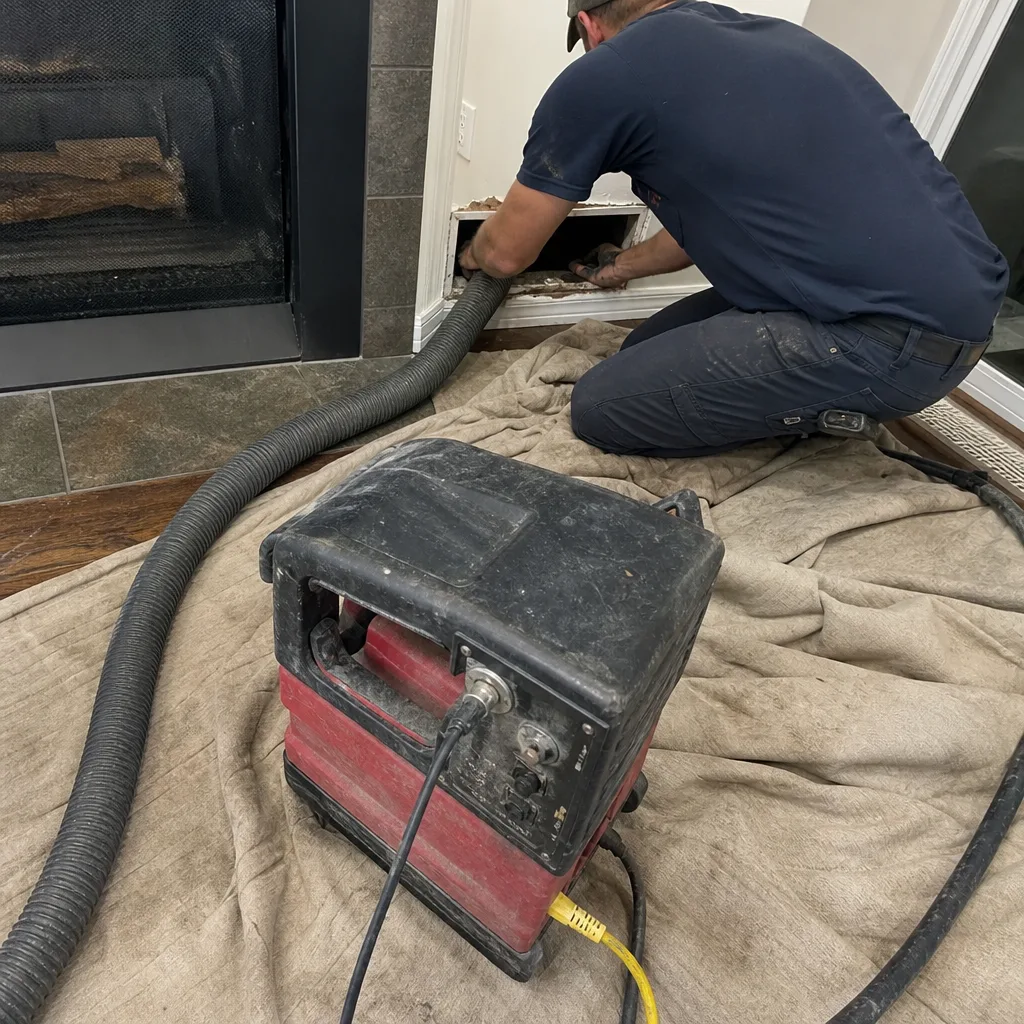 Before
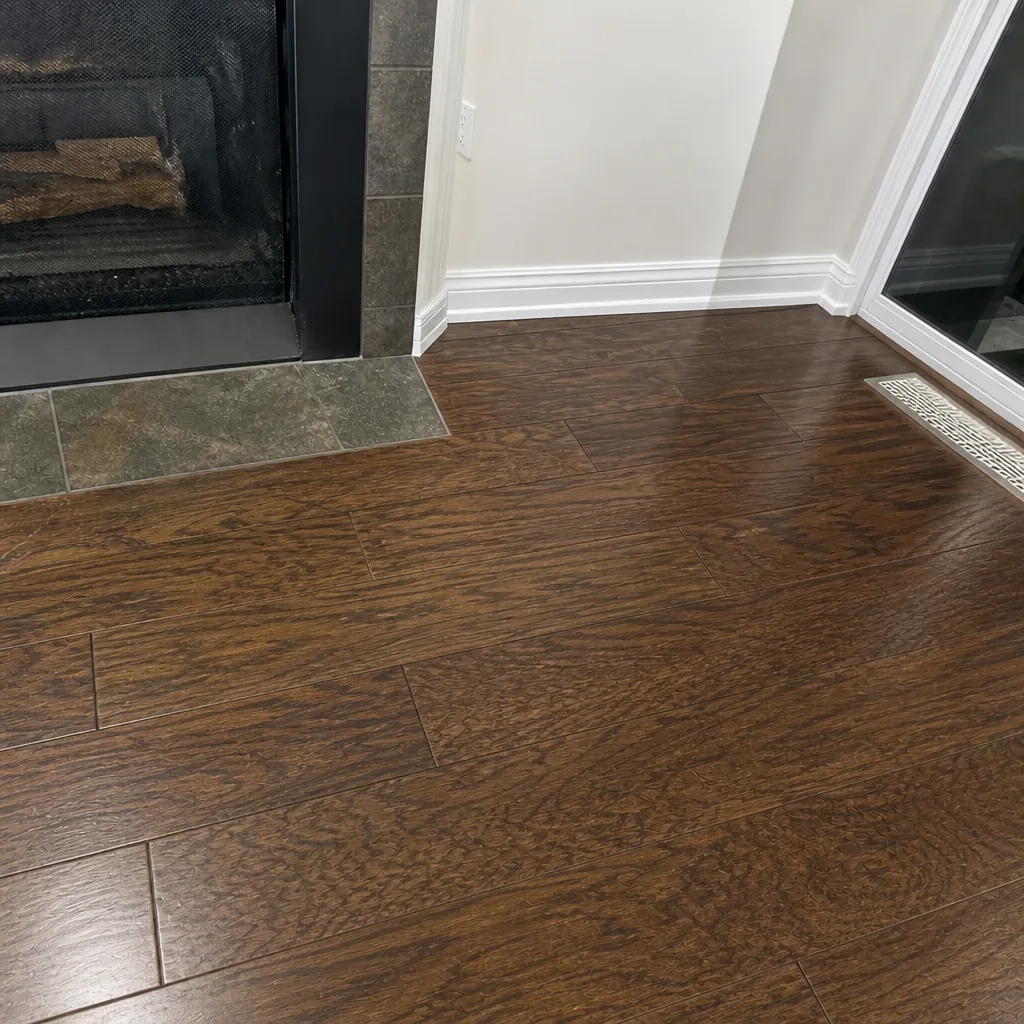 After
When to Call a Professional
Some situations clearly call for professional equipment. You should call when someone in the household has respiratory sensitivity or a diagnosed allergy that’s worsened, when you’re preparing a home for sale or a rental inspection, when a recent renovation released construction dust into the system, when you can hear or see a disconnected or damaged duct run, when the system has never been cleaned, or when a musty odor appears in one part of the house. Each of these requires containment or diagnosis, and neither is achievable with consumer equipment.
You should also call if the dryer vent hasn’t been cleaned and the run is long or hard to reach, or if you’re considering a whole-home filtration or humidifier addition and want the ducts cleaned first. We provide air duct cleaning, air duct repair and dryer vent cleaning in Sparks as separate services. Estimates are free. Call (888) 561-9258 for a free estimate. We answer 24/7. Fast dispatch from 7am to 7pm, Sunday through Friday.
Frequently Asked Questions
Air duct cleaning cost depends on the number of registers, the length of the trunk run and whether a repair is needed, and the final price is set by the written estimate. Shorter, straightforward systems sit at the low end; systems with many branches, long returns, or a repair folded in sit higher. Call (888) 561-9258 for an exact quote – estimates are free.
Whole-system cleaning requires a vacuum capable of maintaining negative pressure through the trunk and branches while debris is being loosened, which means high continuous airflow at the sealed connection point. Consumer vacuums and most rental units aren’t built to sustain that pressure over the length of a residential duct run. They’re built for short-run pickup, which is a different job.
No. A shop vac and brush attachment can reach a short, accessible length of duct and loosen surface dust, but it can’t contain what it loosens, and it can’t sustain suction across a full trunk-and-branch run. For an accessible flex duct in a basement, a limited cleaning is possible. For the main system, the practical result is redistribution rather than removal.
Usually the difference is the equipment and the scope. A low quote often means a consumer-grade vacuum setup without sealed HEPA extraction, and sometimes means one pass through the registers rather than a full agitation-and-extraction cycle. The other difference is whether the company can handle a repair in the same visit, which matters if problems turn up during cleaning. Call (888) 561-9258 for an exact quote – estimates are free.
For most Sparks homes, a professional cleaning every few years is reasonable, and sooner after a renovation, a move-in, or a moisture event. Homes with pets, heavy dust exposure or a family member with respiratory sensitivity may want to clean more often. Change filters monthly during heavy heating and cooling seasons between professional cleanings. Call (888) 561-9258 for an exact quote – estimates are free.
You should get before-and-after photos of your own ducts, not stock photos, plus a written estimate up front that states the price per system before work starts. If a repair was completed during the visit, that should be documented too. Ask about photos when you book. Call (888) 561-9258 for an exact quote – estimates are free.
The Bottom Line
DIY air duct cleaning is a legitimate choice for three things: register wiping, filter changes, and clearing accessible lint from the dryer vent transition. It’s a poor choice for cleaning the trunk or the branch system, because the requirement is negative air pressure at the scale consumer vacuums and rental units can’t provide. Running household gear into a supply vent doesn’t remove contamination; it redistributes it, and it can make the next professional job harder. Professional-grade equipment, in our case the Rotobrush rotary brush system paired with a Nikro HEPA-rated vacuum, works because agitation and contained extraction happen together. When problems surface during cleaning, air duct cleaning covers the cleaning and the repair in one visit. If you’re ready to settle the question for your own home, start with an estimate.
Estimates and Next Steps
If reading this has clarified which side of the decision you’re on, the next step is simple. Plenty of homeowners come to us having already tried the DIY route and want a professional cleaning with a verifiable process behind it. Their ducts are clean, their dryer vents are clear, and they can document it. Call (888) 561-9258 for a free estimate. We answer 24/7. Fast dispatch from 7am to 7pm, Sunday through Friday. We serve homeowners and property managers throughout Sparks and the surrounding area. Whether you’re booking a cleaning, a repair, or both, the written estimate sets the price before work begins, and before-and-after photos of your own ducts are part of the job.
Our technicians have up to experience, and our work uses professional-grade equipment from Rotobrush, Nikro, Honeywell and Aprilaire, plus Guardsman-grade protection standards on finished work. For more on what we do, visit Duct Cleaning Sparks.
Written by the team at Duct Cleaning Sparks.