
Last updated November 16, 2026
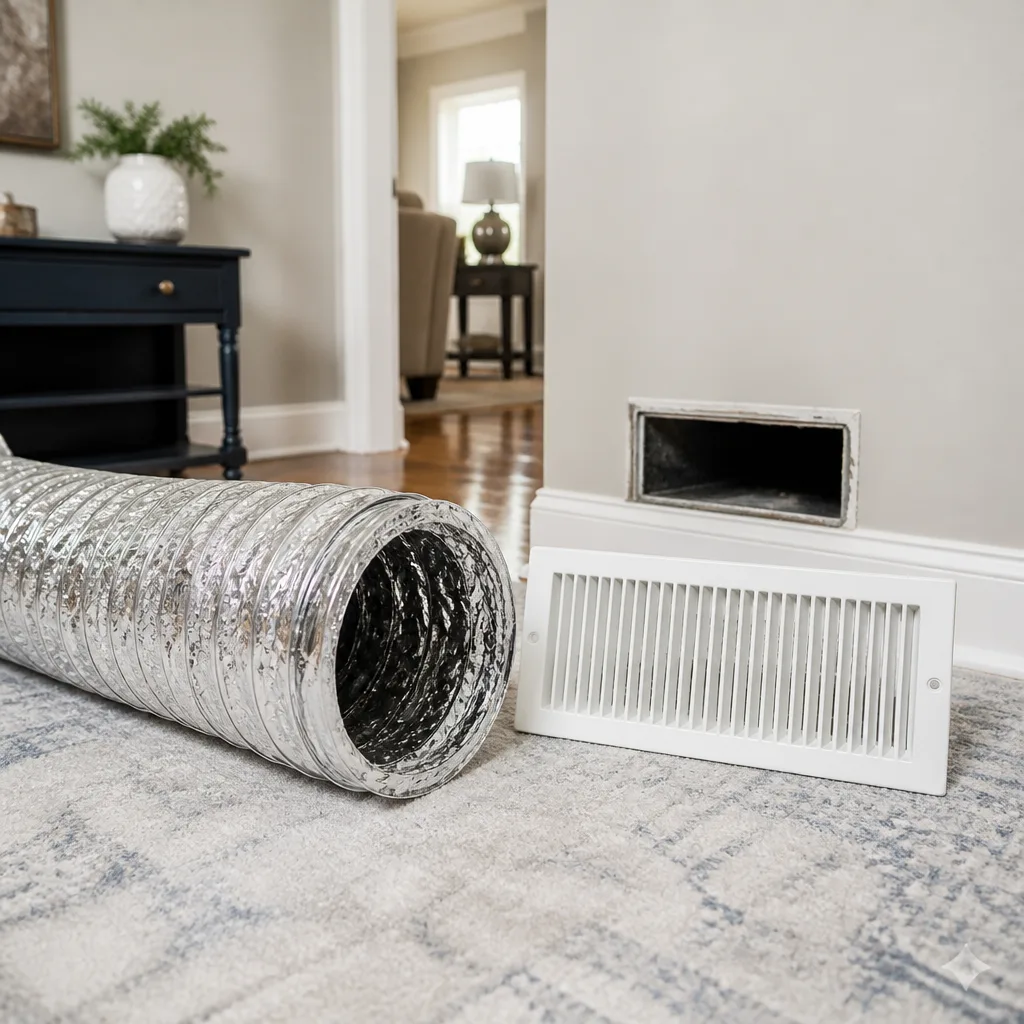 Whole-home duct cleaning
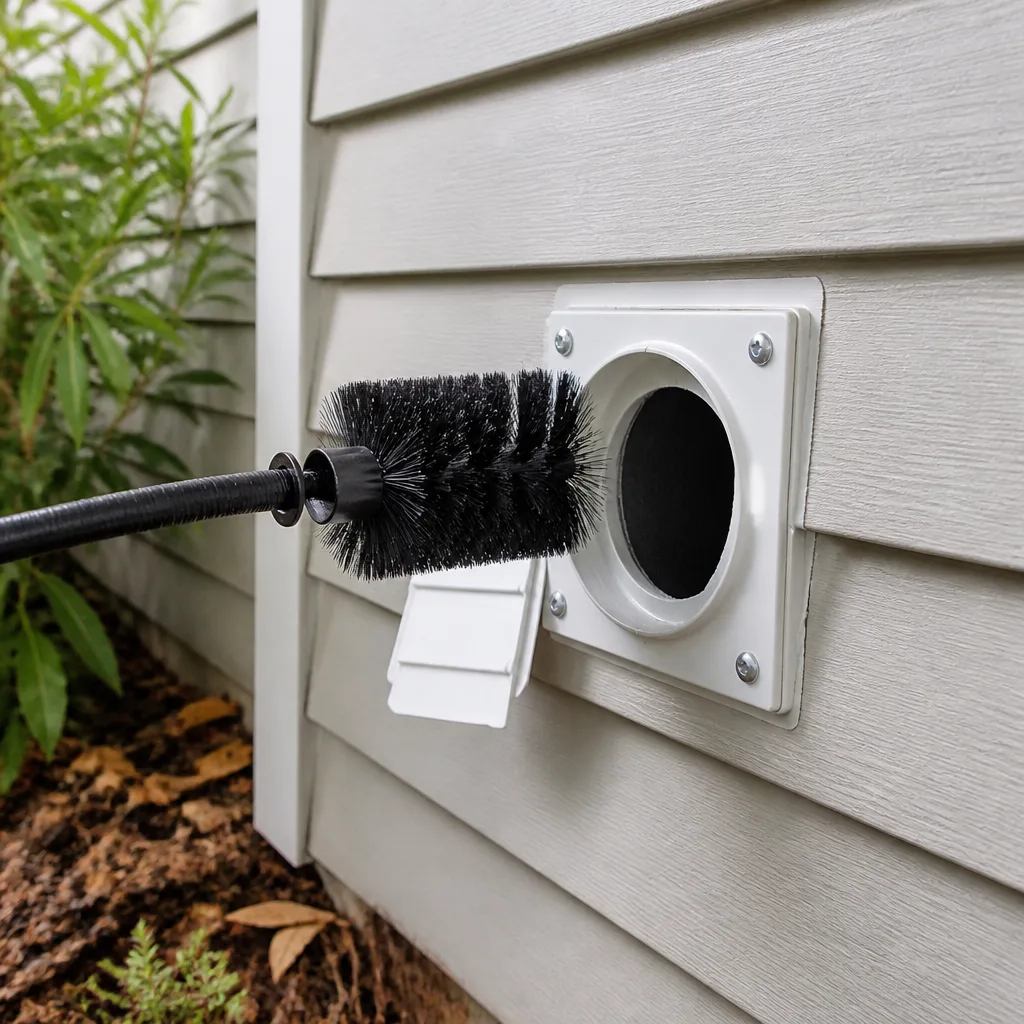 Dryer vent cleaning
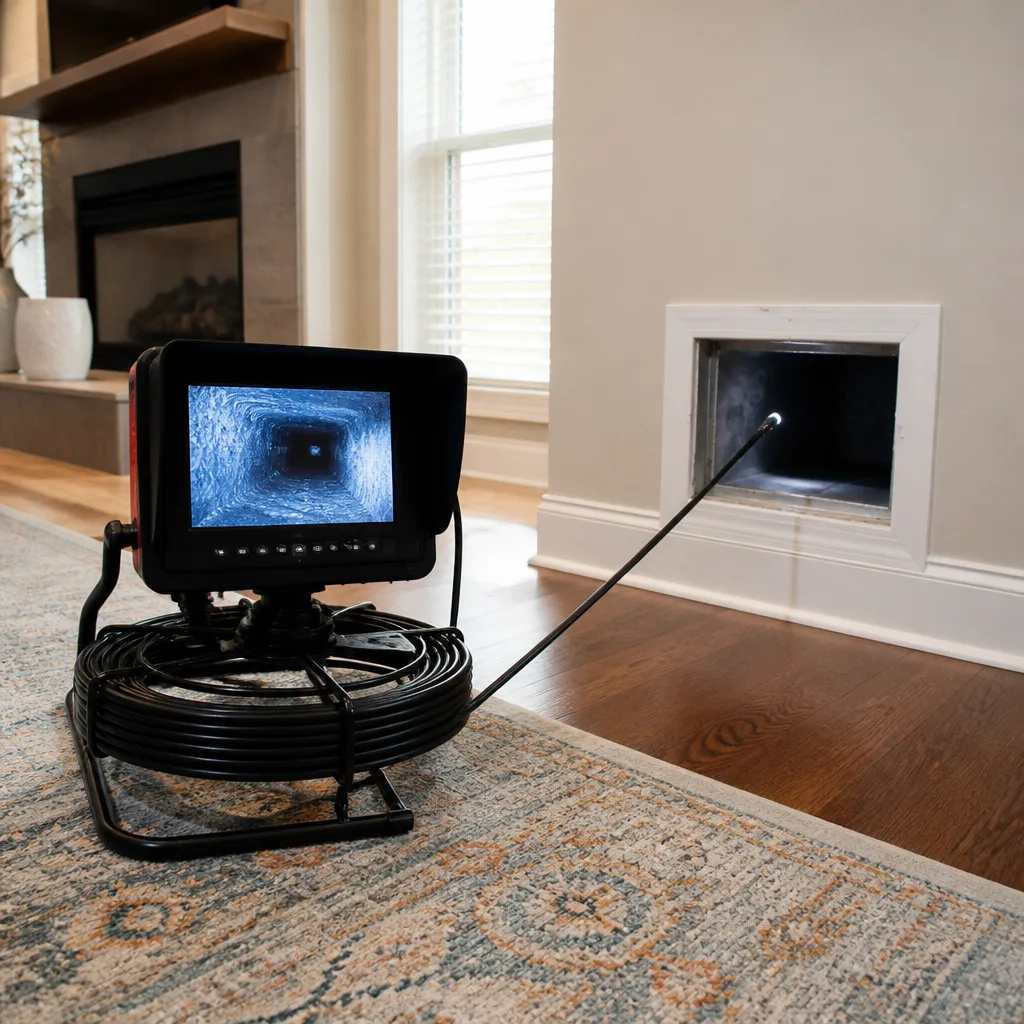 Camera inspection
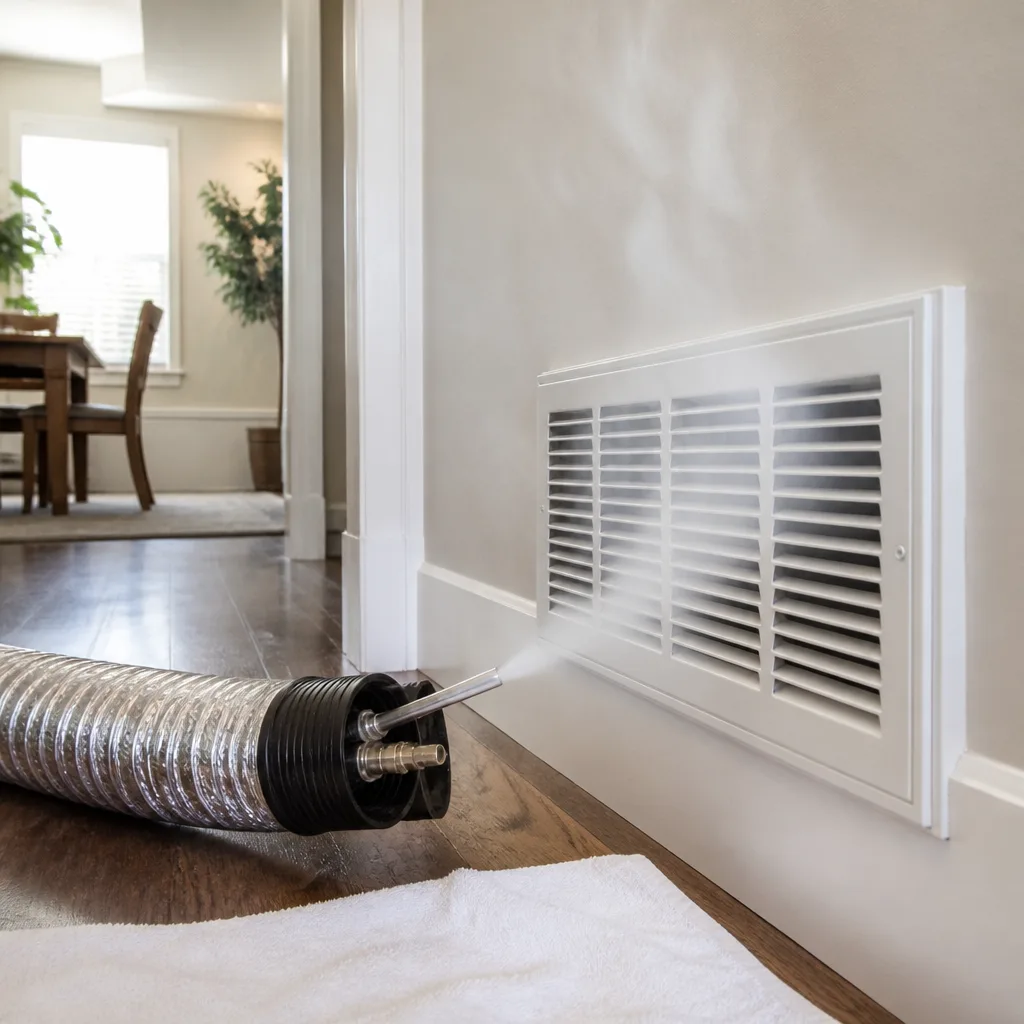 Sanitizing & deodorizing
Whole-system duct and dryer vent check with before-and-after photos - you see exactly what came out of your vents
That "$99 whole-house special" is a bait ad - the real number appears once they are in your hallway, or the "clean" is a shop-vac at the register. We photograph the inside of your ducts before and after instead.
How to Hire an Air Duct Cleaning Contractor in Sparks: A Step-by-Step Guide
Asking a duct cleaning company if they’re “certified” tells you almost nothing. Nevada doesn’t license this trade, so “certified” can mean a weekend certificate, a membership card, or nothing at all. Asking what negative air pressure machine they’re bringing into your home tells you everything. One question filters for equipment and process. The other filters for marketing. This guide walks through the four equipment questions that separate a real duct cleaning from a vacuum-and-invoice visit, how to compare quotes fairly, what a legitimate pre-job walkthrough looks like, and the contract terms you want in writing before anyone touches your vents. If you’re hiring in Sparks, where high-desert dust and wind-driven particulates load ducts differently than coastal or humid markets, these details matter more, not less.
Quick Answer
A legitimate air duct cleaning contractor in Sparks should show you the equipment before they quote, inspect your system in person, give you a whole-system flat price, and put scope, containment, and contingency terms in a written agreement. Ask specifically which negative air pressure machine they use, its CFM rating, the brand of their brush system, and whether their vacuum is HEPA-rated. A contractor who can name those four things without hesitation is working from a real process. One who can’t is guessing, and you’ll be the one paying for the guess.
Styles & brands we work with
- Whole-home duct cleaning
- Dryer vent cleaning
- Camera inspection
- Sanitizing & deodorizing
Table of Contents
- Why Nevada Has No Duct Cleaning License (and What Replaces It)
- The Four Equipment Questions to Ask Before You Book
- NADCA Membership: A Useful Filter, Not a Guarantee
- What a Legitimate Pre-Job Walkthrough Looks Like
- How to Compare Quotes: Per-Vent Pricing vs. Whole-System Flat Rate
- Contract Terms to Require in Writing
- What Makes Duct Work in Sparks Different
- How to Verify the Work Was Actually Done
Why Nevada Has No Duct Cleaning License (and What Replaces It)
Nevada does not require a license specific to air duct cleaning. That’s the single most important fact on this page, because it changes where the vetting burden sits. In a licensed trade, the state has already checked some baseline: training hours, exam results, insurance minimums, at least a paper trail you can look up. In duct cleaning, none of that exists as a state requirement. The vetting falls on you.
That’s not a reason to panic. It’s a reason to change the questions you ask. Most homeowners default to credential questions because that works in licensed trades. Here, credential language is soft. “Certified,” “licensed,” and “insured” all get printed on mailers without a standard behind them that you can verify in a database. What doesn’t get faked easily is equipment. A Rotobrush rotary brush system is a specific, expensive, purpose-built machine. A Nikro HEPA vacuum with containment-level filtration is a specific piece of gear. Someone selling a shop-vac operation can’t describe either convincingly for long.
So the practical replacement for a state license is a short equipment interview plus an in-person inspection. That combination is harder to fake than any certificate. It also gives you something to hold a contractor to. Rather than trusting a logo, you’re verifying claims against what shows up in your driveway. In Sparks, where summer dust and nearby construction traffic keep fine particulate moving through the valley, the difference between a real negative air setup and a shop-vac is the difference between debris leaving your home and debris getting stirred back into it.
The Four Equipment Questions to Ask Before You Book
These four questions do most of the filtering work. Ask them on the phone before anyone comes out. A contractor working from professional equipment answers them in plain language. A contractor working from marketing answers them vaguely, deflects to price, or promises to “check with the crew on the day.”
1. What type of machine are you bringing: portable or truck-mount?
Portable units are common and legitimate when they’re the right class of machine. Truck-mount systems pull more vacuum and are worth asking about, but in residential work the real question is whether the unit is commercial-grade or consumer. “We use a high-powered vacuum” is not an answer. A named brand and model is.
2. What’s the CFM rating?
CFM, cubic feet per minute, is airflow. Standard shop vacuums and consumer units sit far below what professional duct cleaning equipment moves. The exact number matters less than whether the contractor knows it. Someone who cleans ducts for a living knows their machine’s airflow rating the way a plumber knows pipe diameter. A blank look here is a red flag.
3. What brush system do you use?
Rotary brush systems, like the Rotobrush line, agitate debris off duct walls so the vacuum can actually pull it out. A vacuum alone on a caked duct wall pulls the loose dust and leaves the rest. Ask for the brand. Professional-grade rotary brush equipment is a specific, verifiable category, and most low-bid competitors don’t carry it.
4. What filtration method do you use: HEPA or standard?
HEPA-rated vacuums trap fine particulate instead of exhausting it back into the room. Standard filtration lets the smallest particles pass through. If a contractor says “it’s all filtered,” ask what rating. Nikro HEPA equipment and Abatement Technologies air filtration tools operate at a contamination-control standard well above a standard shop-vac filter, and that’s the standard to hold a quote against.
In our experience, the answers to these four questions correlate with how a job is run from start to finish. A contractor who can name the machine, the CFM, the brush brand, and the filtration rating is running a defined process. That process is what you’re buying.
NADCA Membership: A Useful Filter, Not a Guarantee
NADCA, the National Air Duct Cleaners Association, is the trade body most duct cleaning contractors point to. Membership is worth knowing about. It filters out the mailbox-coupon operations that have no trade affiliation at all. But membership alone doesn’t guarantee the quality of the work. It’s a signal, not a warranty.
What’s more useful is the NADCA source removal standard, commonly called the ACT standard. Source removal is the core idea: duct cleaning means physically removing contaminants from the system, not fogging it with a chemical and calling it clean. That distinction is the whole ballgame, and it’s the part a homeowner can actually hold a contractor to. A fogged system looks and smells different for a week. A source-removed system has less debris in it, permanently, because the debris is gone.
Here’s how to use the ACT standard in a conversation:
- Ask whether the contractor’s cleaning method is source removal. If the answer involves fogging or “sanitizing” as the primary service, that’s not source removal.
- Ask whether the vacuum and brush system are designed to remove debris from duct surfaces, not just from the register openings you can see.
- Ask specifically about negative air pressure. The standard expects a negative-pressure setup so debris is pulled toward the vacuum rather than pushed into living space.
- Ask whether the contractor follows NADCA guidance, then check whether their equipment conversation matches it.
For a Sparks homeowner, the practical takeaway is this: NADCA membership is a fair first filter, but the equipment and method questions are where the real vetting happens. A member who can’t tell you their CFM or brush brand is a member with a thinner process than the badge suggests.
What a Legitimate Pre-Job Walkthrough Looks Like
A contractor who quotes you over the phone without seeing your system is guessing at scope. Duct systems vary widely by home age, configuration, and how many zones they serve. A quote given from a phone call is a marketing number, not a scope number.
A real pre-job walkthrough is short and specific. It usually includes:
- Register count and location. The contractor physically counts supply and return registers, because the number and layout determine the job.
- Return-side inspection. The return duct and air handler area get looked at, not just the supply vents you can see from the hallway.
- Access assessment. The contractor checks whether the system has accessible cleanouts or whether access cuts will be needed, and how those will be handled.
- Visible condition notes. Any signs of rodent activity, moisture, or heavy debris are noted on the spot. These change scope, so a legitimate contractor flags them before quoting rather than after starting.
- Containment plan. The contractor describes how debris will be contained during the job, typically using negative air pressure and filtration, and where the equipment will sit.
- Written scope. The walkthrough ends with a written scope of work and a flat per-system price, not a per-vent estimate.
If a contractor walks through and doesn’t open anything, doesn’t count anything, and quotes a flat promotional number anyway, you’re looking at a sales visit rather than an inspection. In our experience, that’s the biggest tell. A thorough walkthrough is what lets a contractor commit to a whole-system price with confidence. It’s also what lets them catch a problem like rodent evidence before the job, so the scope and the price are honest from the start.
How to Compare Quotes: Per-Vent Pricing vs. Whole-System Flat Rate
When quotes come in, don’t compare bottom lines. Compare pricing models, because the model tells you what’s actually included. This is where a lot of Sparks homeowners get caught.
A per-vent price is priced by register count. It sounds easier to compare across contractors, but the model often hides what isn’t included. A $39-per-vent quote that covers only the supplies you can see from the hallway may not include the return side, the main trunk lines, or the air handler area. Add those in and the “cheap” quote stops being cheap. Worse, the per-vent model incentivizes a fast pass over each register rather than a full-system clean.
A whole-system flat rate is quoted by the system, not by the vent. It includes the full duct ecosystem: supply runs, return runs, trunk lines, and the equipment area where accessible. The price is fixed before work starts. That’s the model that matches how the work actually gets done.
When you compare, use a short structure:
- Scope: which system zones are included. Supply only, or supply and return, or full system including trunk lines?
- Equipment: machine type, CFM, brush brand, filtration method. You already asked on the phone; confirm it matches.
- Pricing model: per-vent or flat per-system. If per-vent, ask exactly what an “included vent” covers.
- Contingency: what happens if the job uncovers mold, rodent evidence, or a damaged section of duct?
- Verification: before-and-after documentation, and who provides it.
A whole-system flat rate is the number you can actually compare against another whole-system flat rate. Per-vent quotes aren’t apples-to-apples until you’ve confirmed what each one includes. Once you have that in writing, the comparison is fair.
Contract Terms to Require in Writing
Get the agreement in writing before work begins. A handshake works for a lot of home services. Duct cleaning has too many scope variables for that. The written terms are also what protects you if something unexpected turns up mid-job.
Here’s what should be in writing:
Scope of work by system zone
List each zone being cleaned: supply runs, return runs, trunk lines, and any accessible equipment areas. A one-line “clean ducts” description tells you nothing about coverage. Zone-by-zone scope lets you verify the finished job against the quoted job.
Debris containment method
The agreement should specify how debris is contained. Negative air pressure and HEPA-rated filtration are the standard for keeping fine particulate out of living space. If the contract doesn’t mention containment, ask for it to be added. Professional-grade equipment should be named here, not implied.
What happens if mold or rodent evidence is discovered mid-job
This is the most commonly skipped term and the one most likely to matter in Sparks, where roof rats and seasonal rodent pressure are real and where any moisture intrusion can turn into a mold problem. The contract should state what the contractor will do if they find either. The right answer usually involves photography, a documented finding, a description of the remedy, and a separate written price for that repair. The wrong answer is a surprise line item added without evidence. Air duct repair should be an option the contractor can perform, not a referral to a different company and a second scheduling headache.
Documentation terms
Before-and-after photos of your ducts should be part of the deliverable. This matters when you’re managing allergies, closing a home sale, or satisfying a rental inspection. Documentation is the proof that the work happened, and it should be written into the terms rather than promised verbally.
When terms like these are in place, you have something to point to, and so does the contractor. That’s the foundation for a fair job.
What Makes Duct Work in Sparks Different
Sparks sits in the Truckee Meadows, and the local conditions shape what your ducts collect. High-desert air means fine dust and wind-driven particulate are constant, not seasonal. Summer heat pulls more air through the system, and winter heating runs long enough that any buildup in the ducts gets cycled through the house repeatedly. That combination is why “clean it when you remember to” doesn’t quite work here. The debris load is steady.
Construction and development activity around Sparks add another layer. Fine dust from grading and site work migrates into neighborhoods and settles into return ducts. Homes near newer construction or high-traffic corridors tend to accumulate faster. The pattern isn’t dramatic; it’s just persistent.
That matters for hiring because equipment handling fine dust is the right equipment. Standard filtration that lets the smallest particles through is a mismatch in a market where the debris load is fine-grained. HEPA-rated containment and genuine negative air pressure matter more here than in places where ducts mostly collect lint and pet hair. If you’re hiring in Sparks and the contractor describes their filtration in vague terms, ask again. The local conditions make a real answer more valuable, not less.
For a broader look at what professional air duct cleaning covers, the pattern of service is the same; what shifts is the emphasis on fine-particle filtration.
How to Verify the Work Was Actually Done
Documented, verifiable work is the whole point of hiring against an equipment standard rather than a coupon. After the job, here’s how to check that what you paid for happened.
- Before-and-after photos of your own ducts. Not stock images. Photos of your system, your runs, your registers. A legitimate contractor captures these during the job. If the contractor can’t produce them, the verification is missing.
- Confirm the equipment that showed up matched the equipment described. If they told you on the phone they use a named rotary brush system and HEPA-rated vacuum, the units that show up should match.
- Walk the register count. If your quote was whole-system, all supply and return runs should have been cleaned. Check that each one was touched, including the ones on the far side of the house.
- Look at the containment setup after. A real job leaves no dust film on floors or furniture near the work zones. The containment either worked or it didn’t, and it’s visible.
- Check the written post-job documentation. Photos, scope confirmation, and any noted findings should come to you in writing.
When you get this, you can answer a buyer’s inspection question, a rental inspection question, or your own “did I get what I paid for” question with evidence rather than memory. That’s the standard to hold to when hiring. For duct repairs found during a cleaning, the same standard applies, and a contractor who can do both in one visit saves you a second round of scheduling.
One more thing worth knowing for Sparks homeowners: if your home has a clothes dryer vent that vents through a long run or has multiple bends, that’s a separate safety concern worth checking at the same time. dryer vent cleaning is part of a complete duct service lineup, and it’s a fire-safety item that duct-only cleaners commonly skip. Ask about it when you’re comparing quotes so it’s included in the conversation up front rather than as a surprise add-on.
Common Mistakes to Avoid
- Leading with “are you certified?” and stopping there. It feels like vetting, but in a market with no trade licensing, the answer tells you little. Follow up with the equipment questions, which are harder to fake.
- Comparing per-vent quotes as if they cover the same scope. A low per-vent number often reflects a narrower scope. Get what’s included in writing for each quote before you compare the numbers.
- Accepting a phone quote without an in-person walkthrough. Duct scope depends on the system in your home. A quote given before anyone looks at it is a guess dressed as a price.
- Not asking what happens if mold or rodent evidence turns up. This is the most likely mid-job surprise in a high-desert area with steady rodent pressure. Get the contingency documented before work starts.
- Skipping the before-and-after photos. In Sparks, documentation is what makes the job useful at resale or during a rental inspection. Without it, the work happened; you just can’t prove it.
- Assuming a vacuum is a vacuum is a vacuum. Standard filtration and HEPA-rated equipment are different tools. In a market with persistent fine dust, that difference affects the air quality in your home after the job.
- Hiring a duct-only cleaner and then finding the ducts need repair. A contractor who offers repair as a standalone service, alongside cleaning and dryer vent work, keeps the whole job under one written scope. Hiring someone who cleans but refers the repair out splits the job and the accountability.
See the difference
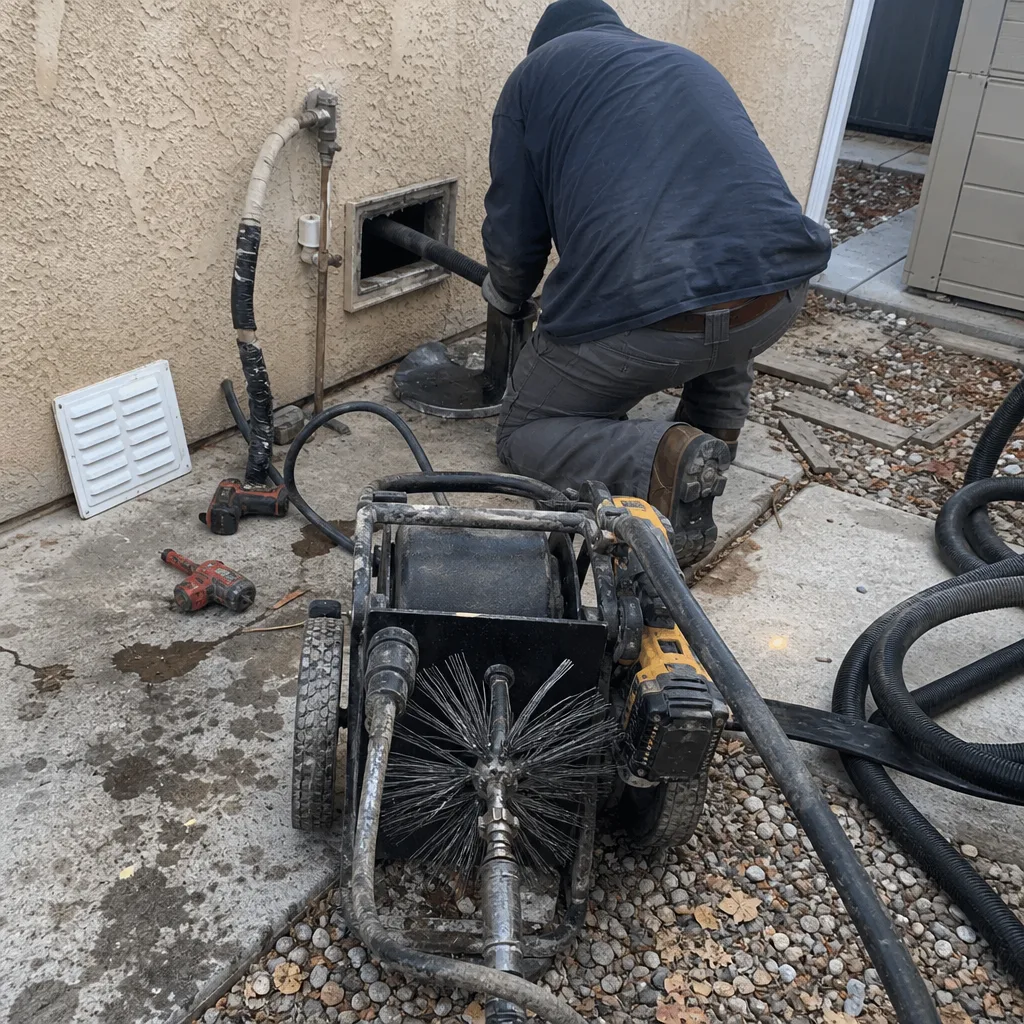 Before
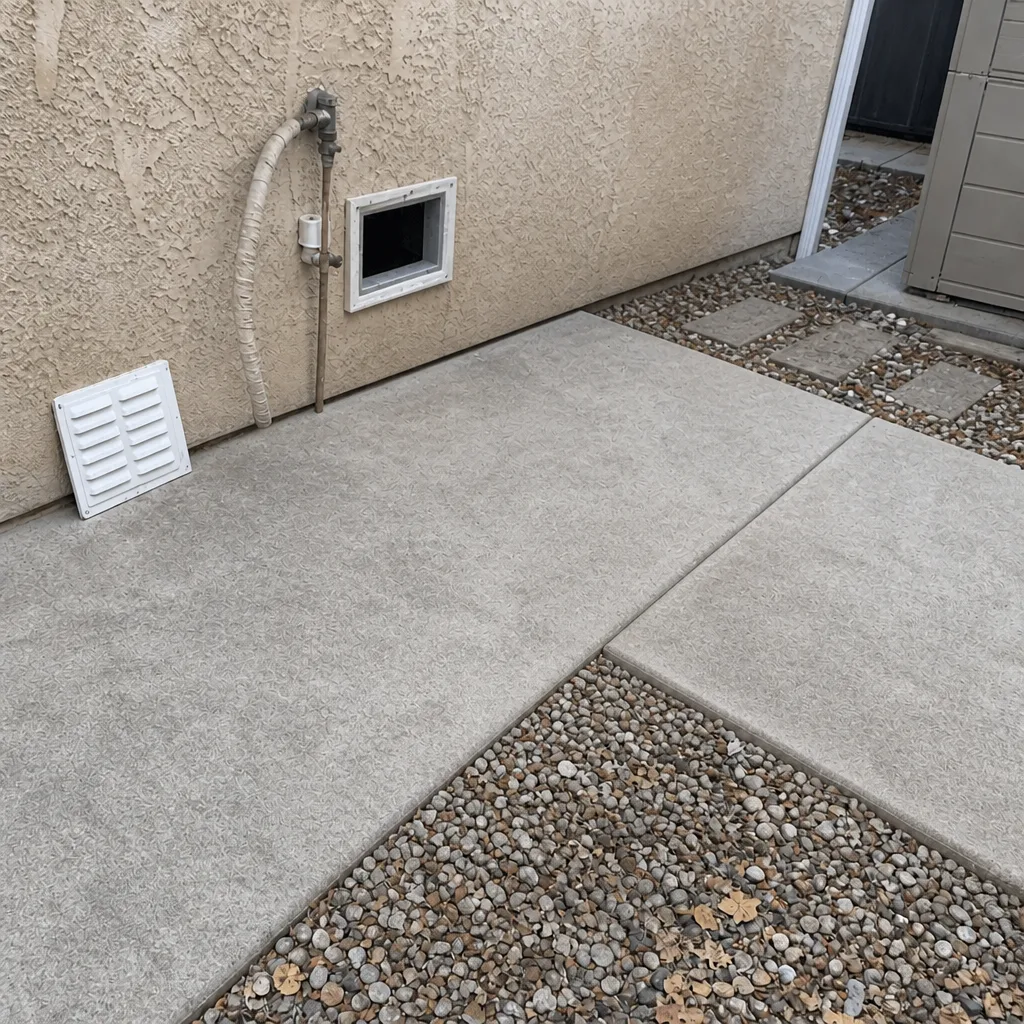 After
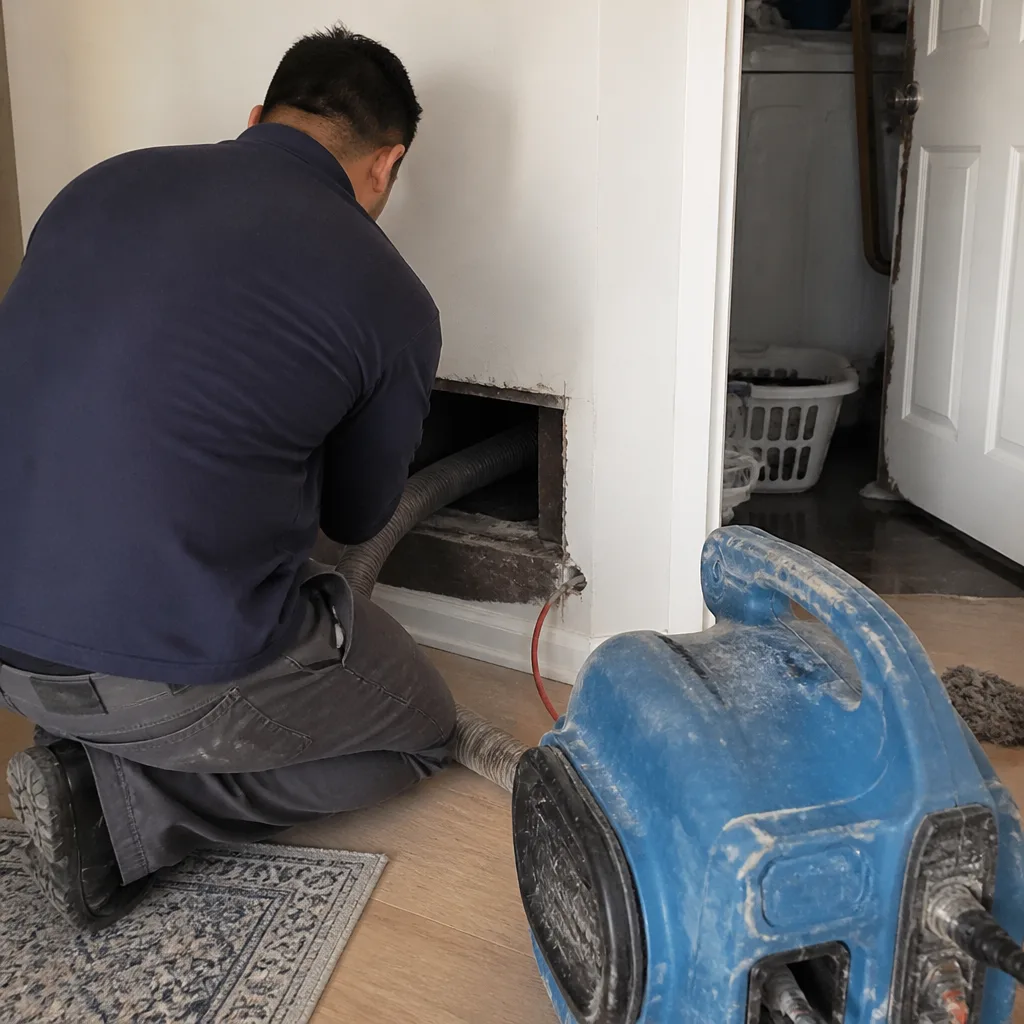 Before
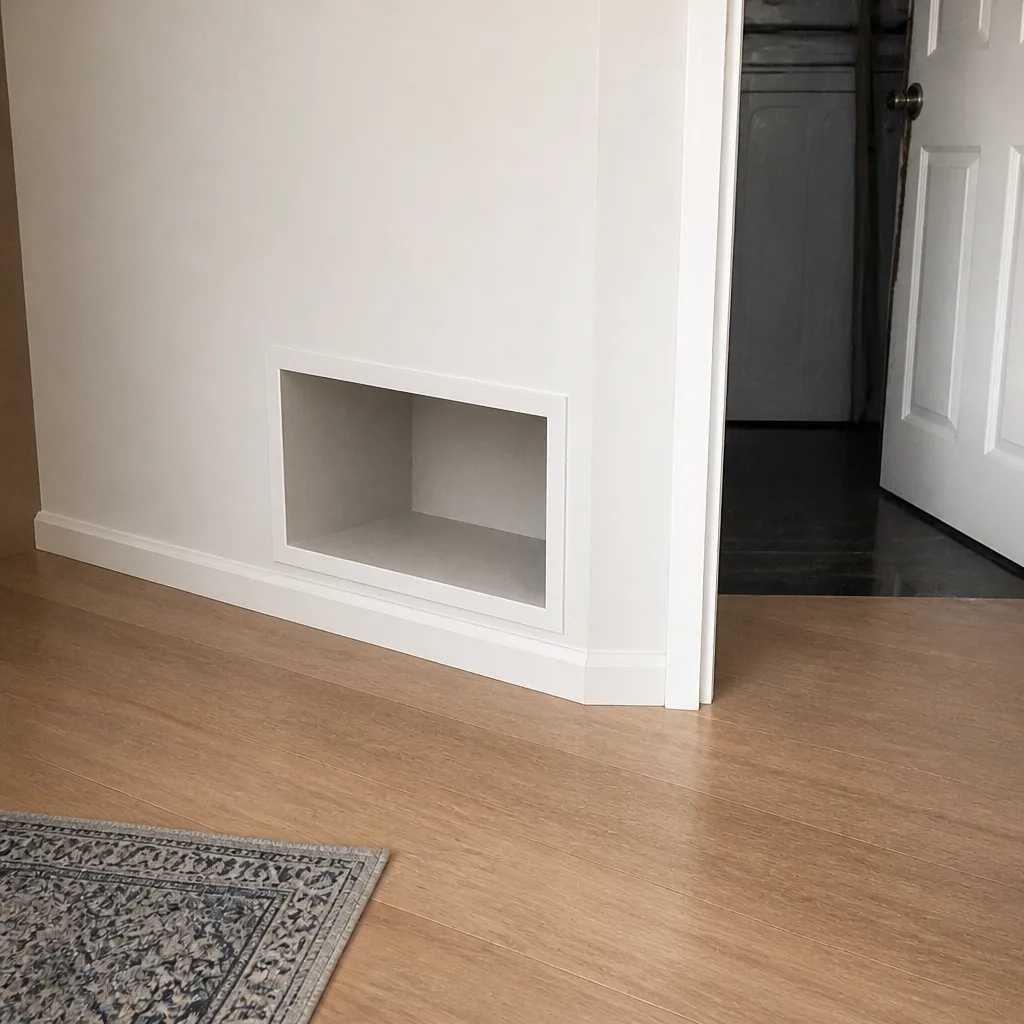 After
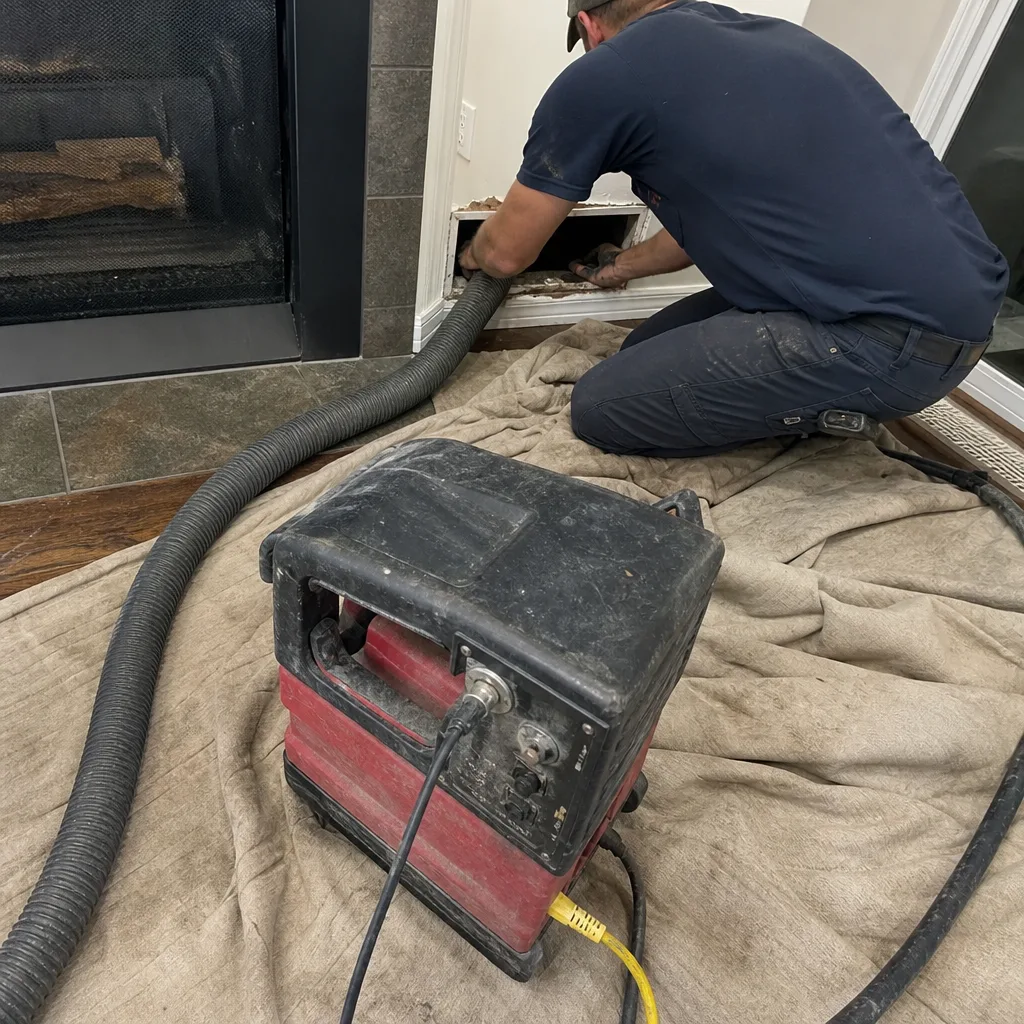 Before
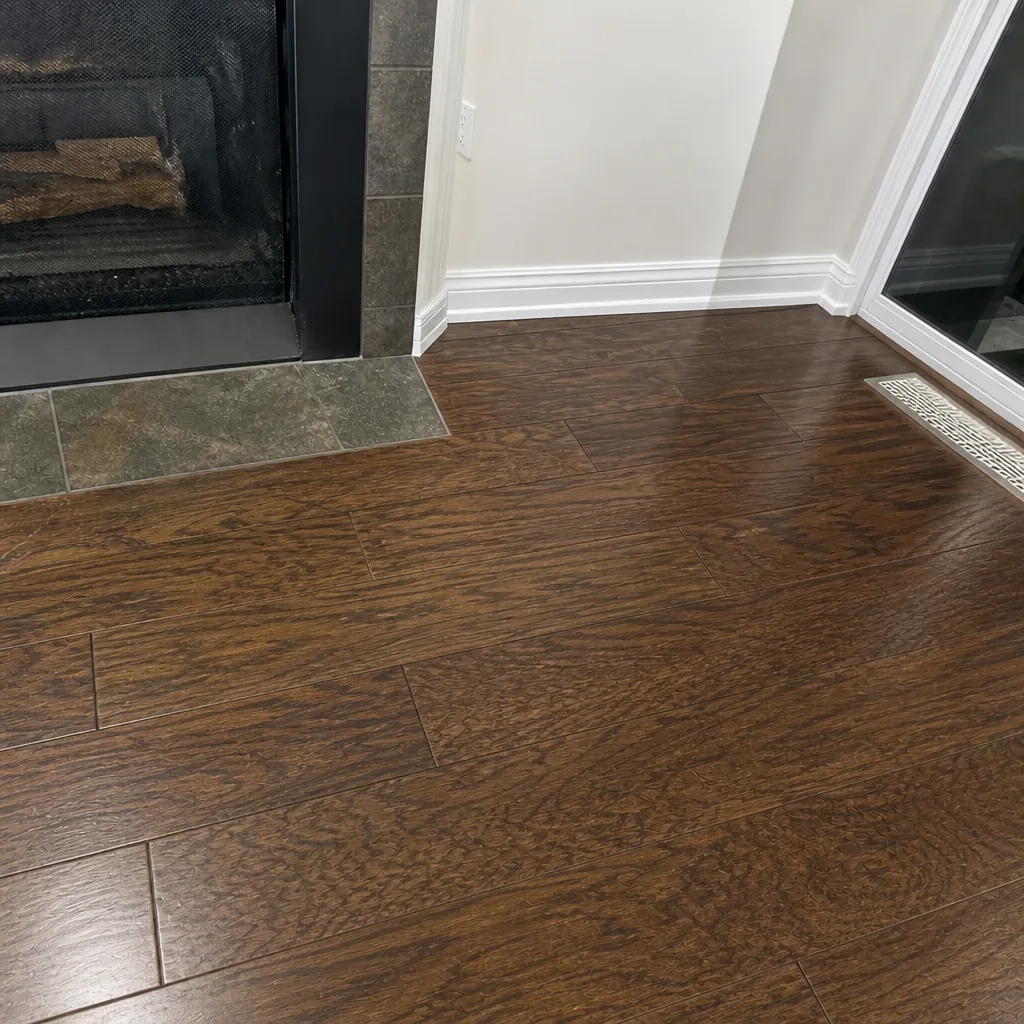 After
When to Call a Professional
Some duct situations call for a trained technician rather than a continuing to wait. If you notice visible dust streaming from registers when the heat or AC kicks on, that’s a sign the system is shifting debris rather than filtering it. If anyone in the house has consistent allergy symptoms that worsen when the HVAC runs, the ducts are worth inspecting. Visible rodent evidence in the return or air handler, a duct that’s become disconnected or crushed, and a dryer vent that takes unusually long to dry clothes are all cases that call for an in-person look. Air duct work, air duct repair, and dryer vent checks are tasks where a professional walkthrough identifies the actual scope. Duct Cleaning Sparks offers free estimates in Sparks, so the first visit is a conversation about the system rather than a commitment. Call (888) 561-9258. We answer 24/7. Fast dispatch from 7am to 7pm, Sunday through Friday.
Frequently Asked Questions
No. Nevada does not require a license specific to air duct cleaning. Because there’s no state credential to check, the vetting falls on you: ask about the negative air pressure machine, its CFM rating, the brush system brand, and the filtration method, and require a written scope and flat per-system price before work starts.
A legitimate contractor brings a commercial-grade negative air pressure machine, a rotary brush system, and HEPA-rated filtration for containment-level debris extraction. Ask for the brand names, and specifically ask for the machine type, CFM rating, brush brand, and filtration rating. Answers in plain language are a good sign; blank looks and vague reassurances are not.
A very low quote usually reflects a narrower scope and lighter equipment. Per-vent pricing often covers only the registers you can see, not the return side, trunk lines, or equipment area. A whole-system flat rate looks higher and generally covers more. Compare quotes by what’s included in writing, not by the headline number. Call (888) 561-9258 for an exact quote; estimates are free.
Before-and-after photos of your own ducts, matched against the written scope, are the standard proof. Confirm that the equipment that arrived matches what the contractor described on the phone, and walk the register count to confirm every run was cleaned. If the contractor can’t provide photos and documentation, that’s a sign the process wasn’t in place.
The contract should specify this in advance: the contractor documents the finding with photos, describes the remedy, and prices any repair separately in writing before performing it. Air duct repair should be something the contractor can do rather than refer out, so the whole job stays under one scope. In Sparks, where seasonal rodent pressure is real, it’s worth asking before you book.
There’s no single schedule that fits every home. The high-desert dust load, long heating and cooling seasons, and nearby construction activity mean duct debris accumulates steadily rather than seasonally. A walkthrough is the better guide than a rule of thumb, especially if you’ve noticed dust from registers, allergy symptoms that worsen with HVAC use, or a recent renovation. Call (888) 561-9258 to book an inspection and get a scope for your home.
The Bottom Line
Hiring duct cleaning in Sparks comes down to replacing credential questions with equipment questions. There’s no trade license to fall back on, so ask specifically about the negative air pressure machine, its CFM rating, the rotary brush brand, and whether the filtration is HEPA-rated. Use NADCA membership as a first filter, then hold the contractor to the source removal standard by asking about method and equipment. Require an in-person walkthrough, insist on a whole-system flat rate instead of per-vent pricing, and get scope, containment, and mid-job contingency terms in writing. Verify the finish with before-and-after photos of your own ducts. The process is short and it’s the reason you’ll know exactly what you paid for. For duct cleaning, air duct repair, or dryer vent checks in Sparks, Duct Cleaning Sparks answers those equipment questions with named professional-grade tools, not marketing language.
Whether you’re comparing quotes on your own or want to start with a walkthrough, we’re happy to answer the four equipment questions, describe the containment setup, and put a written scope in front of you before work begins. We work with Rotobrush and Nikro equipment and Honeywell and Aprilaire indoor air quality systems, and our technicians have up to experience. Call (888) 561-9258 for a free estimate. We answer 24/7. Fast dispatch from 7am to 7pm, Sunday through Friday. If you want a wider view of the area we work, you can start here with Sparks and build the questions from there.
Written by the team at Duct Cleaning Sparks.