
Last updated November 16, 2026
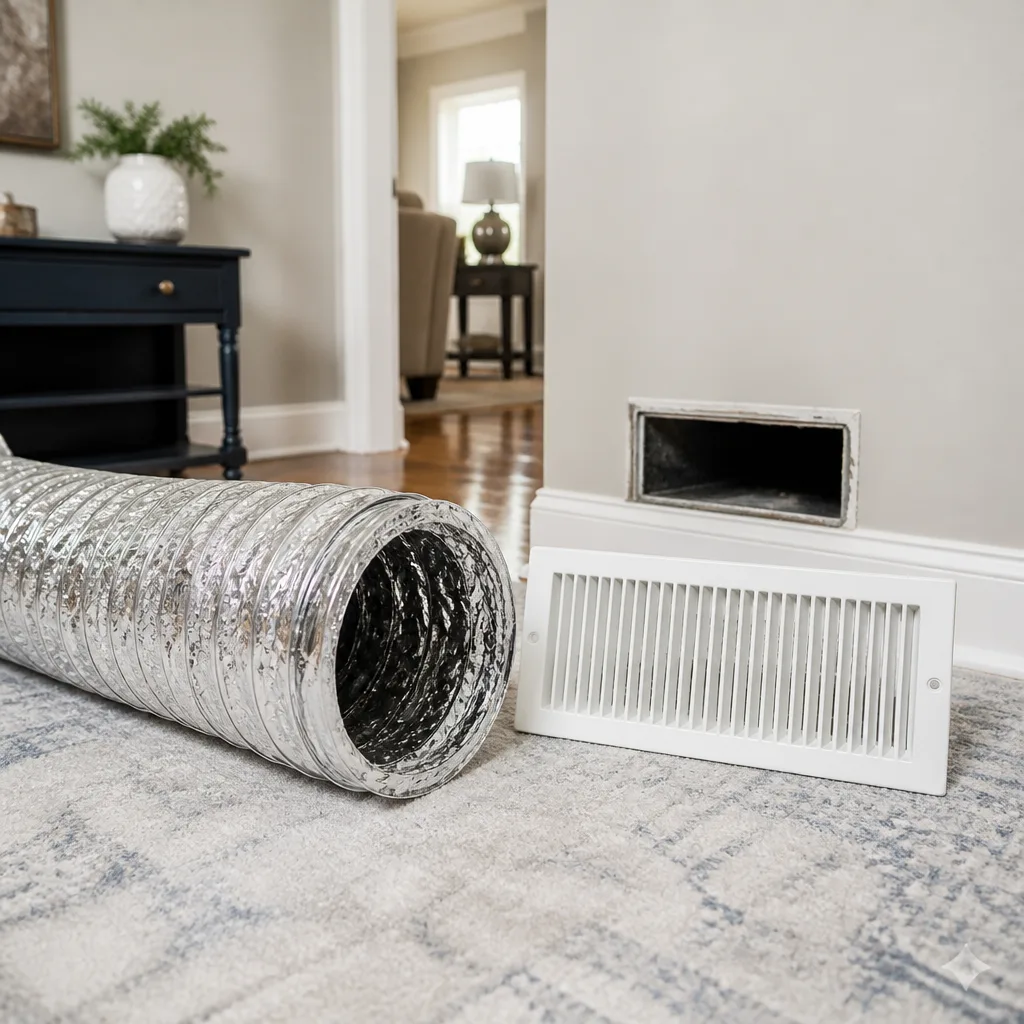 Whole-home duct cleaning
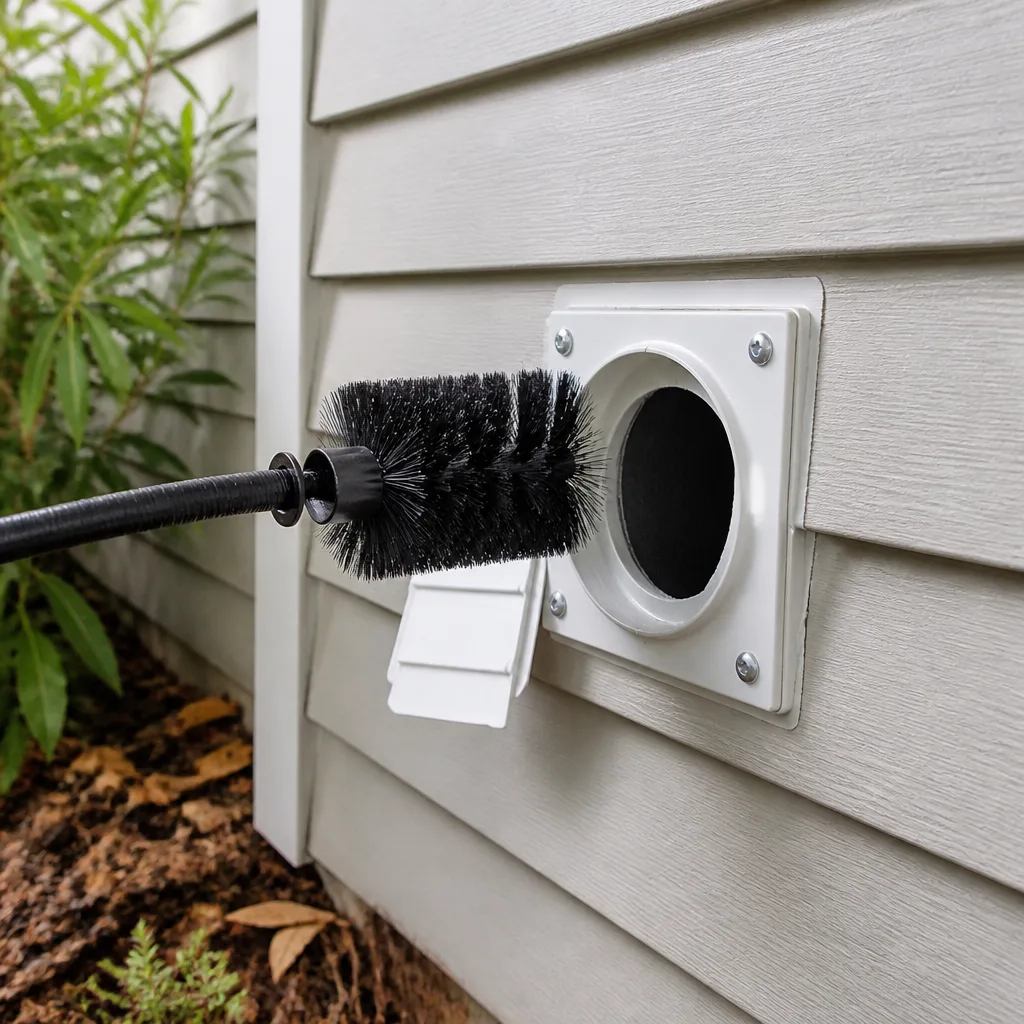 Dryer vent cleaning
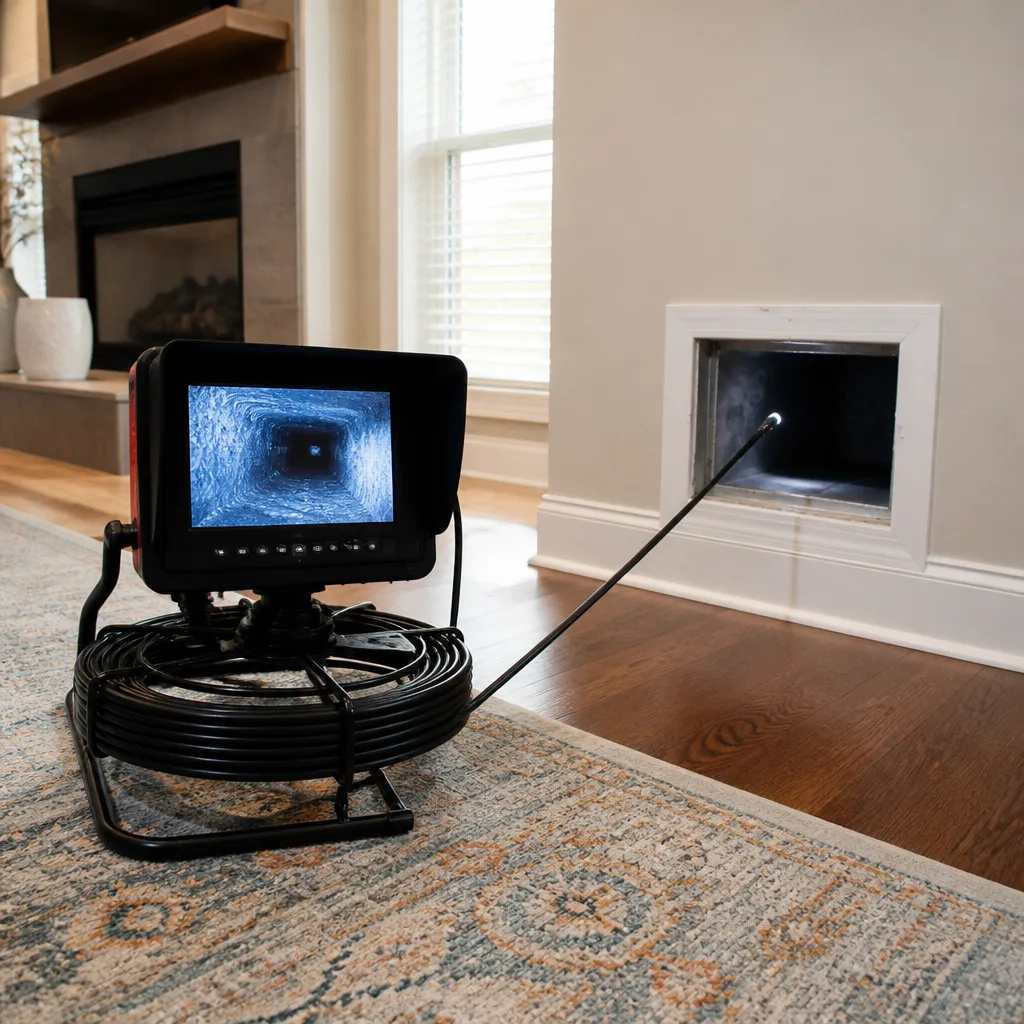 Camera inspection
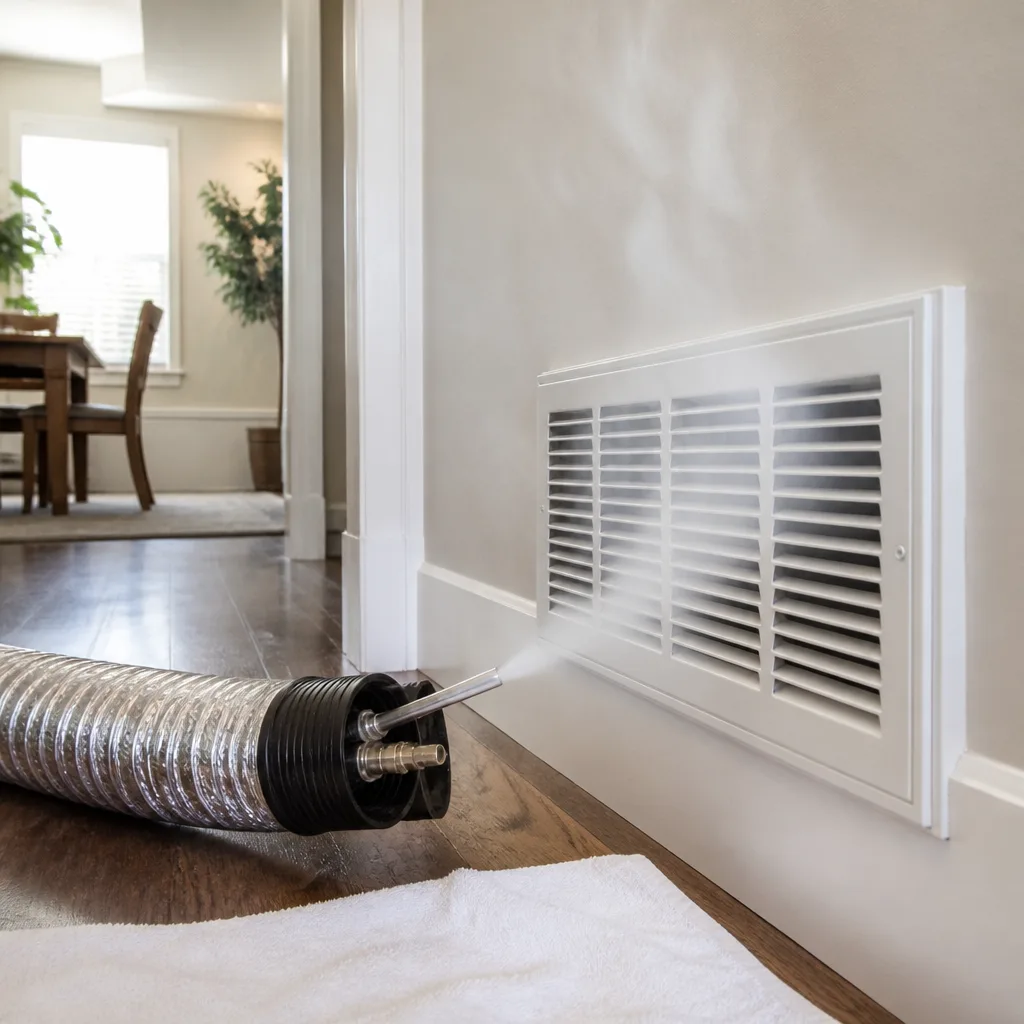 Sanitizing & deodorizing
Whole-system duct and dryer vent check with before-and-after photos - you see exactly what came out of your vents
That "$99 whole-house special" is a bait ad - the real number appears once they are in your hallway, or the "clean" is a shop-vac at the register. We photograph the inside of your ducts before and after instead.
The Complete Guide to Air Duct Cleaning in Sparks
Most air duct cleaning advice is written for places with humidity, basements, and mold. Sparks isn’t that place. Here in the high desert of the Reno-Sparks basin, we get fewer than 7 inches of rain a year, which means the fine alkaline clay dust that coats the valley floor never washes away. It stays put, dries out, gets stirred up by wind and traffic, and gets pulled straight into your HVAC system. That single fact changes how often your ducts need attention and how aggressively they should be cleaned. This guide covers what a real full-system clean involves, why equipment matters more than price, and how to tell the difference before you book.
Quick Answer
Air duct cleaning in Sparks means removing accumulated alkaline clay dust, pollen, and construction debris from the supply lines, return plenums, and main trunk lines of your HVAC system using commercial-grade vacuum and rotary brush equipment. In the high desert climate, most homes need a full-system clean every two to four years depending on dust load, pets, and nearby development. A proper job uses containment-level negative air pressure, not a shop-vac with a hose attachment.
Styles & brands we work with
- Whole-home duct cleaning
- Dryer vent cleaning
- Camera inspection
- Sanitizing & deodorizing
Table of Contents
- Why Sparks Ducts Get Dirty Differently
- What a Full-System Clean Actually Involves
- Why Negative Air Pressure Machines Matter
- How Often Do Sparks Homes Really Need Duct Cleaning?
- What Does Air Duct Cleaning Cost in Sparks?
- When to Combine Duct Cleaning With Duct Sealing
- Red Flags That Signal Shop-Vac Equipment
- What You Can Check Yourself
Why Sparks Ducts Get Dirty Differently
Contamination patterns in Sparks are shaped by the climate, not by moisture. In humid cities, the duct problems that get discussed most are mold growth, mildew, and condensation inside metal runs. Here, the enemy is dry particulate: fine clay dust, alkaline mineral powder, sage and rabbitbrush pollen, and the construction debris that comes with a valley that keeps building. That difference matters because the cleaning approach that works on wet biological growth is not the same one that pulls fine, powdery, airborne dust out of a return plenum.
Clay dust is especially stubborn. It’s light enough to stay suspended in the air for hours and fine enough to pass through standard furnace filters that aren’t rated for it. When it settles inside ductwork, temperature swings help it cake against the metal. Sparks swings from triple-digit summer afternoons to freezing winter nights, and every one of those cycles expands and contracts the duct system slightly. Dust that migrates into seams, joints, and the spaces around registers gets pushed deeper with each cycle.
Ongoing development across the valley adds a second layer. New construction nearby generates drywall dust, sawdust, and silica powder that rides the wind and settles into HVAC intakes. Homes near active building areas often show that load sooner than the general timeline suggests. Pollen is the third variable. The high desert bloom is short but intense, and cottonwood and sage pollen are fine enough to make it past cheap filters and lodge in the return side of the system.
What this adds up to: Sparks ducts tend to fail dry and dusty rather than wet and moldy. That changes both the equipment that should be used and the signs you should watch for. It’s also why a cleaning method built around a shop vacuum and a spinning whip isn’t enough here – fine alkaline powder re-suspends easily if the wrong vacuum is doing the work.
What a Full-System Clean Actually Involves
A full-system clean means the entire air path from the return grilles to the supply registers, including the main trunk line, branch runs, plenum, and the interior of the air handler cabinet where accessible. It does not mean one vacuum pass on the registers. The difference between a full-system clean and a single-vent service is the difference between cleaning a house and wiping the front porch.
Here’s the step-by-step process a properly equipped crew follows:
- Inspection and setup. Every register is opened and every return is checked for blockages, disconnected joints, or crushed flex runs. The crew notes anything that needs repair.
- Containment and negative pressure. A high-capacity vacuum with HEPA-rated filtration is connected to the main trunk line and runs continuously, pulling the entire system into negative pressure so loosened debris is captured instead of blown into the living space.
- Agitation. A rotary brush system is fed through each branch line to break loose caked dust from the walls of the duct. Compressed air whips and manual brushes reach the tighter corners and the plenum.
- Source cleaning. The blower compartment, evaporator coil face, and return plenum get attention because that’s where dry dust accumulates fastest in a Sparks system.
- Final vacuum and verification. The system is vacuumed one more time, the registers are wiped, and before-and-after photos are taken so you can see the actual condition of your ducts, not just a verbal promise.
Every one of these steps matters more in a dry climate than most guides admit. Fine dust that isn’t fully captured during agitation will simply re-settle in a few weeks. That’s why equipment choice – specifically rotary brush systems like Rotobrush and HEPA-rated vacuums like Nikro – is the whole ballgame.
Why Negative Air Pressure Machines Matter
Negative air pressure is the single most important technical detail in a duct cleaning job, and it’s the one most homeowners never think about. When you agitate dust inside a duct, that dust has to go somewhere. Without a powerful vacuum pulling the entire system into negative pressure, the dislodged particles leak out through register gaps, seams, and the air handler into the rooms you’re standing in.
That’s the problem with a residential shop-vac. It moves air, but it doesn’t create enough of a pressure differential across the whole system to contain fine dust. Commercial HEPA systems do. Nikro units, for example, pull a large volume of air while capturing sub-micron particulate through HEPA filtration, which means the dust stays in the machine rather than in your living room air. Abatement Technologies air filtration equipment works on the same principle used in professional remediation work: contain the contamination at the source and verify air quality downstream.
In a Sparks home with fine, dry clay dust, this distinction is noticeable within an hour of the job starting. A shop-vac setup will leave a visible haze on furniture nearby. A proper HEPA containment setup leaves the room feeling the way it felt before the crew arrived.
If you want to know what to look for when you hire, ask the company directly: what type of vacuum do you use, and what filtration standard does it meet? A crew that works with professional HEPA systems will answer instantly. A crew using a shop-vac will change the subject.
How Often Do Sparks Homes Really Need Duct Cleaning?
Most Sparks homes need a full-system clean every two to four years. That window is shorter than the five-to-seven-year advice you’ll read on generic HVAC sites, and the reason is specific to the high desert: more airborne particulate, less natural washing from rain, and more frequent heating-and-cooling cycles driving dust into the system.
Several local factors move that timeline faster:
- Pets in the home. Pet dander bonds with dry dust and settles into the return side of the system faster than dust alone.
- Recent construction nearby. Homes within a building radius of active development see drywall dust and silica loading that can shorten the interval to every 18 months or so.
- Allergy or asthma symptoms that worsen indoors. If symptoms track with time spent at home, the ducts are a reasonable suspect after other causes have been checked.
- Newly purchased or recently remodeled home. A first cleaning after a purchase or remodel is almost always worthwhile – previous owners’ dust and construction debris are two separate cleaning projects.
- Visible debris at registers. A flashlight pointed into a supply register shows either clean metal or a mat of fuzzy dust. That’s the quickest visual check available to any homeowner.
A dusty register doesn’t automatically mean the whole system needs work. It’s a signal to look further. Property managers use that same check between tenants to decide whether a cleaning is warranted before a new renter arrives, and it saves them the guesswork.
For a deeper look at what scheduled cleaning involves in practice, see our air duct cleaning page. If your primary concern is the dryer vent rather than the HVAC system, that’s a separate service with its own timeline – more on that below.
What Does Air Duct Cleaning Cost in Sparks?
Air duct cleaning in Sparks typically runs $350 to $750 for a standard single-family home, depending on square footage, number of branch runs, system accessibility, and how much repair work turns up during inspection. Larger homes with multiple zones, or homes with heavy construction dust, land at the higher end. Prices are estimates – a written quote sets the final number before any work starts.
Here’s a rough line-item structure to help you compare quotes:
| Service | Typical estimated range |
|---|---|
| Full-system air duct cleaning (standard home) | $350 – $750 |
| Air duct repair (disconnected joint, crushed flex run) | Quoted per job after inspection |
| Dryer vent cleaning | Quoted per job after inspection |
A few things we tell every homeowner who asks about pricing:
- One flat price per system, agreed before work starts. Not a per-vent rate that balloons once the technician is inside. Your written estimate is the price.
- Beware of coupons that look too good. A marketing piece that advertises an unusually low number usually leads to a much larger invoice once the crew is onsite, often driven by add-ons for “extra” vents or “unexpected” conditions. Ask what a full-system price actually is before you book.
- Before-and-after photos should be standard. You should see the actual condition of your own ducts, not stock photos.
- Repair capability matters. A company that only cleans, and then has to refer repairs to someone else, will leave you juggling two appointments. We offer duct cleaning with repair on the same visit because problems found during cleaning get fixed while the system is already opened up.
Estimates on duct cleaning in Sparks are free, so there’s no reason to guess at the price. Call (888) 561-9258 for an exact quote.
When to Combine Duct Cleaning With Duct Sealing
In our experience, the answer in Sparks is more often than in colder, more humid climates. The reason is the cooling load. When the thermometer hits 95 or higher for weeks at a stretch, your system runs longer and harder, and every leak in the ductwork becomes a measurable loss. Sealed ducts deliver the cool air to the rooms it’s meant for. Leaky ducts deliver it to the attic, the crawlspace, and the wall cavity.
Duct cleaning and duct sealing solve two different problems, and they work best together in this order:
- Clean first. Sealing over dirty joints traps dust in the system. Cleaning first means sealed ducts start clean.
- Locate the leaks. Common culprits in Sparks homes are disconnected flex runs at joints, gaps at plenum connections, and crushed runs behind walls where a subcontractor cut a corner.
- Seal and verify. Joints are taped, mastic-sealed, or mechanically reconnected, then the system is checked for airflow and static pressure.
If a technician finds a disconnected joint during a cleaning, that’s a small repair done on the same visit – not a separate appointment weeks later. That’s one reason we treat repair as a standalone service rather than something to refer out. A cleaned system with a hidden tear in the flex run just re-contaminates itself.
Red Flags That Signal Shop-Vac Equipment
Most homeowners can’t tell equipment quality by looking at it. The vacuum looks like a vacuum. But a few specific red flags separate a professional setup from a low-bid operator, and they’re worth knowing before you let anyone into your home.
- The vacuum fits on a hand truck or rolls on four small casters. Real duct-cleaning systems are large and heavy; the vacuum body alone is a major piece of equipment, not a rolling shop unit.
- No containment setup. A professional crew seals the register openings and works under continuous negative pressure. If dust is drifting out of the registers while they work, the setup is wrong.
- No rotary brush. A vacuum alone can’t pull caked dust off the walls of a duct. A rotary brush is what does the actual loosening.
- No before-and-after photos. If a company can’t show you the inside of your ducts before and after, you have no way to verify the work.
- Price that’s dramatically lower than other quotes. A price significantly below everyone else usually means less equipment, less time, and less work. Sometimes a single vent gets vacuumed while the rest of the system sits untouched.
- No repair capability. A company that finds a disconnected joint but can’t fix it is doing half the job.
- No brand-level equipment answer. Ask what they use. A serious operator references real equipment – Rotobrush, Nikro, Abatement Technologies – because it’s what they actually run. A vague answer (“high-tech vacuum”) is a signal.
None of this is meant to make you paranoid. It’s just the difference between paying for dust removal and paying for a customer experience. Once you know what to look for, the choice gets easier.
What You Can Check Yourself
You don’t need to climb into the crawlspace to get a sense of your duct condition. A few homeowner checks will tell you whether a professional visit is worth scheduling:
- Shine a flashlight into a supply register. Clean metal means the system is reasonably tight. A mat of fuzzy dust, or debris that falls out when you remove the grille, means it’s time for a full-system inspection.
- Check the furnace filter. A filter that’s caked in a fine gray powder within a few weeks is telling you something about dust volume in the system.
- Look at the return registers. The return side usually shows dust accumulation before the supply side does, because that’s where the dirt enters.
- Smell the air at a supply register while the system runs. A musty or dusty odor is a sign of buildup somewhere downstream.
- Watch the airflow. Noticeably weak airflow at some registers but not others often points to a disconnected flex run rather than a dirty duct.
Those five checks are safe to do yourself. What isn’t safe to do yourself is opening the air handler cabinet, disconnecting ductwork, or working inside the plenum – those steps require the system to be de-energized and, in many cases, sealed back up to code. In a dry desert climate, electrical components and dust make an especially poor combination. Leave the interior work to a trained technician, and let your own checks handle the diagnosis.
There’s a second system in most Sparks homes that gets overlooked entirely in these conversations: the dryer vent. Lint accumulation in a dryer vent is a documented fire risk, and it’s a separate service from HVAC duct cleaning. Lint is pulled from every load of laundry and builds up on the interior walls of the vent run, especially where the duct bends. If you haven’t had the dryer vent checked in a few years, that’s worth doing as its own job. Our dryer vent cleaning service exists precisely because many duct-only companies don’t handle it.
Common Mistakes to Avoid
- Booking on price alone. The cheapest quote is cheapest because less equipment, less time, and less containment are involved. In a Sparks home with fine clay dust, that gap shows up as dust settling back on the furniture within weeks.
- Accepting a per-vent price without asking about the full-system price. Per-vent pricing invites the invoice to grow once the technician is onsite. Ask for one flat price per system in writing before any work starts.
- Skipping the return plenum and trunk line. Many budget services vacuum the supply registers and call it done. The return plenum is where most of the dust accumulates first, so ignoring it means the job isn’t finished.
- Cleaning without scheduling repair. A disconnected or crushed duct run will re-contaminate a freshly cleaned system quickly. If a company can’t find and fix those on the same visit, you’ll be doing this twice.
- Assuming airflow problems are always a dust issue. Weak airflow at specific registers usually points to a disconnected joint or crushed run rather than buildup. Diagnosis matters more than vacuuming.
- Ignoring the dryer vent entirely. It’s a separate system from your HVAC ducts and a documented fire risk if it’s never been cleaned. Lint builds up faster in homes with high laundry volume.
- Not asking for before-and-after photos. Without photos of your own ducts, you have no way of knowing what was actually removed. A professional operation should be able to show you.
See the difference
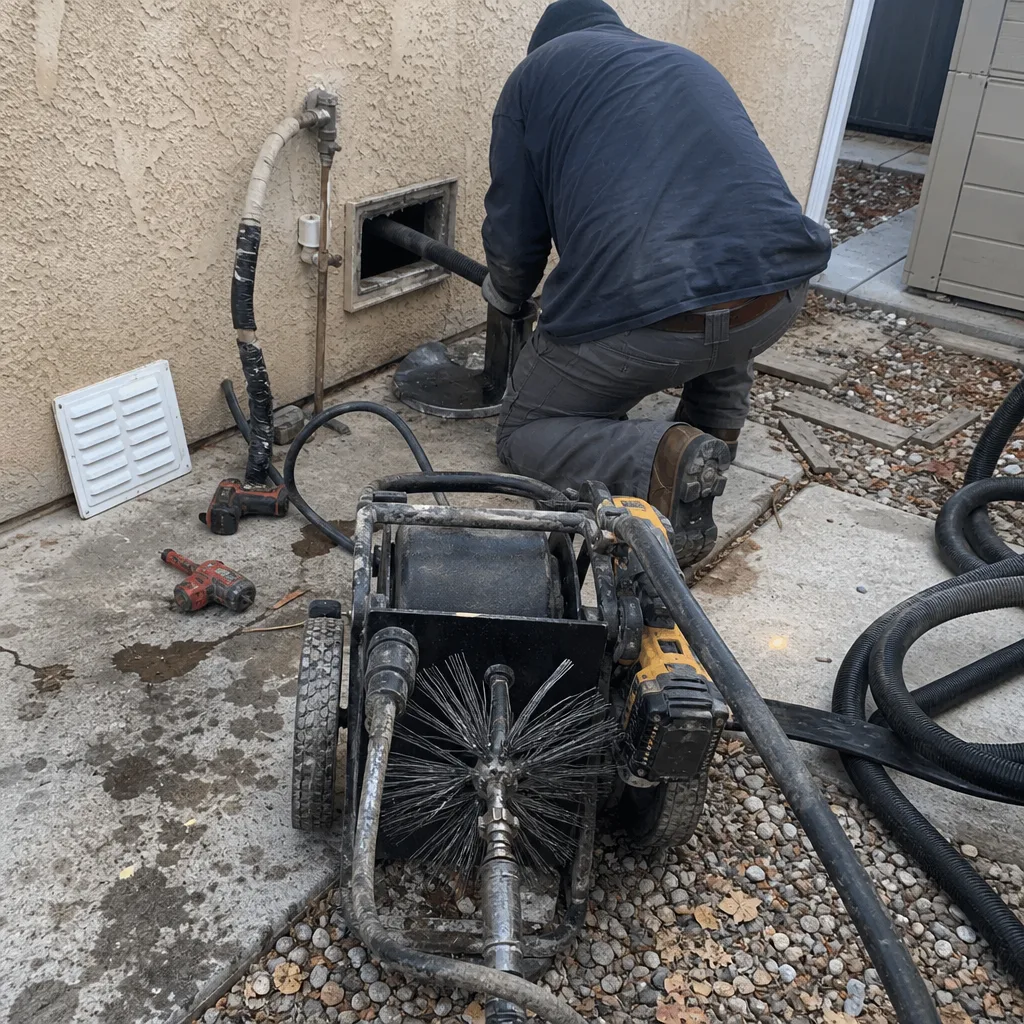 Before
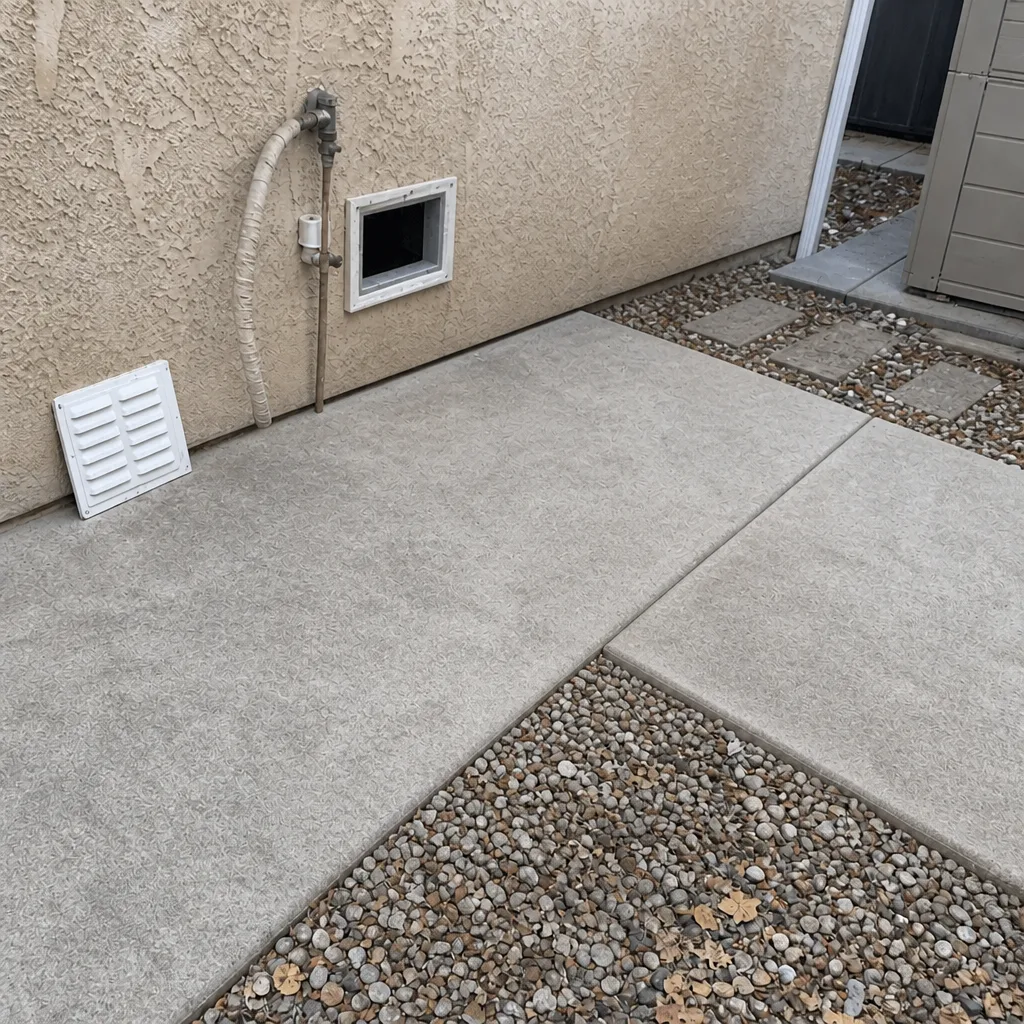 After
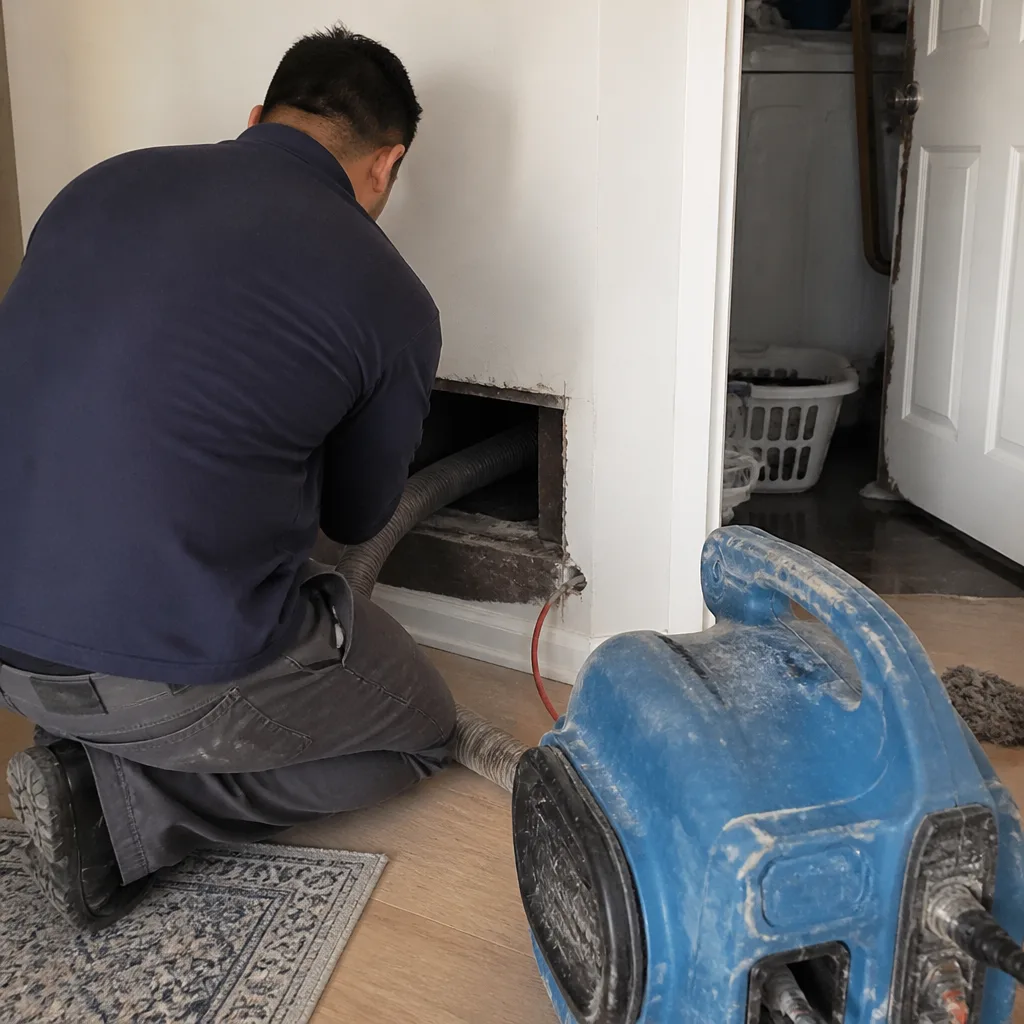 Before
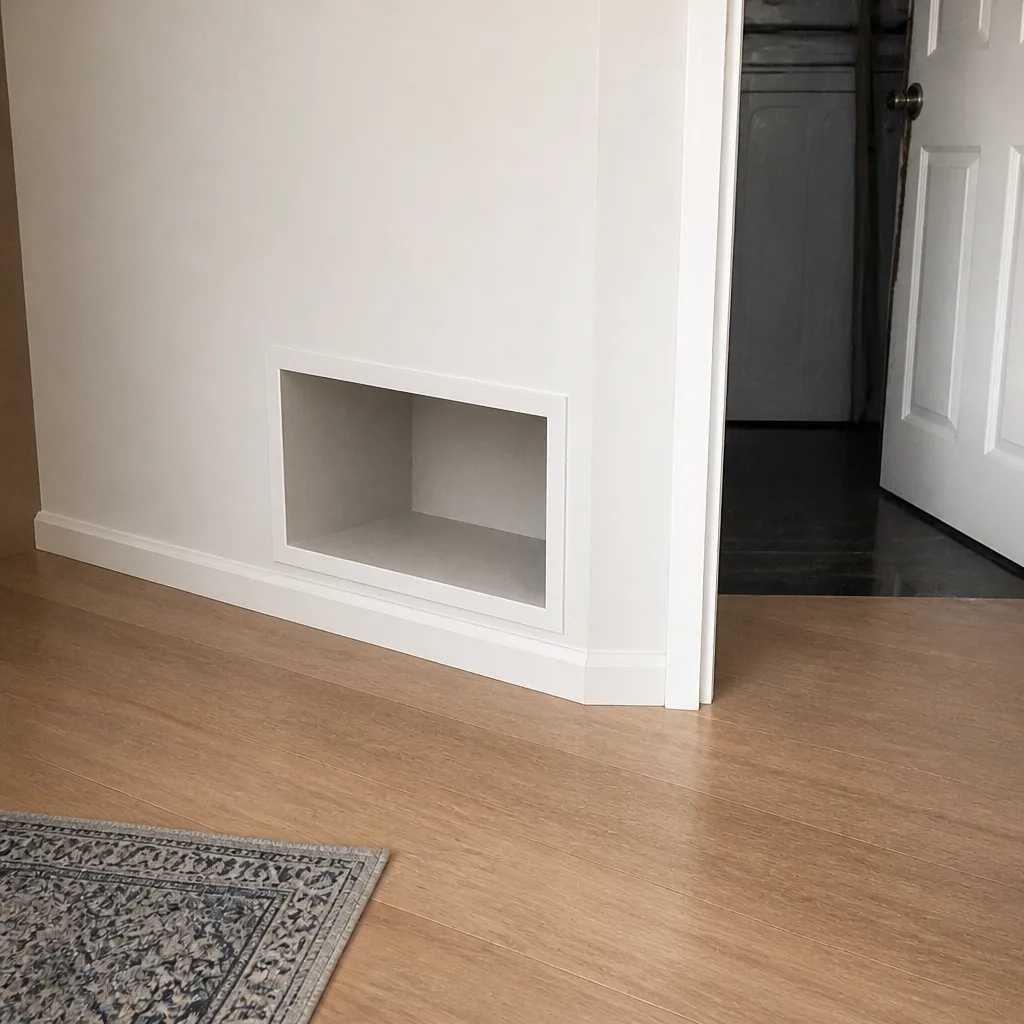 After
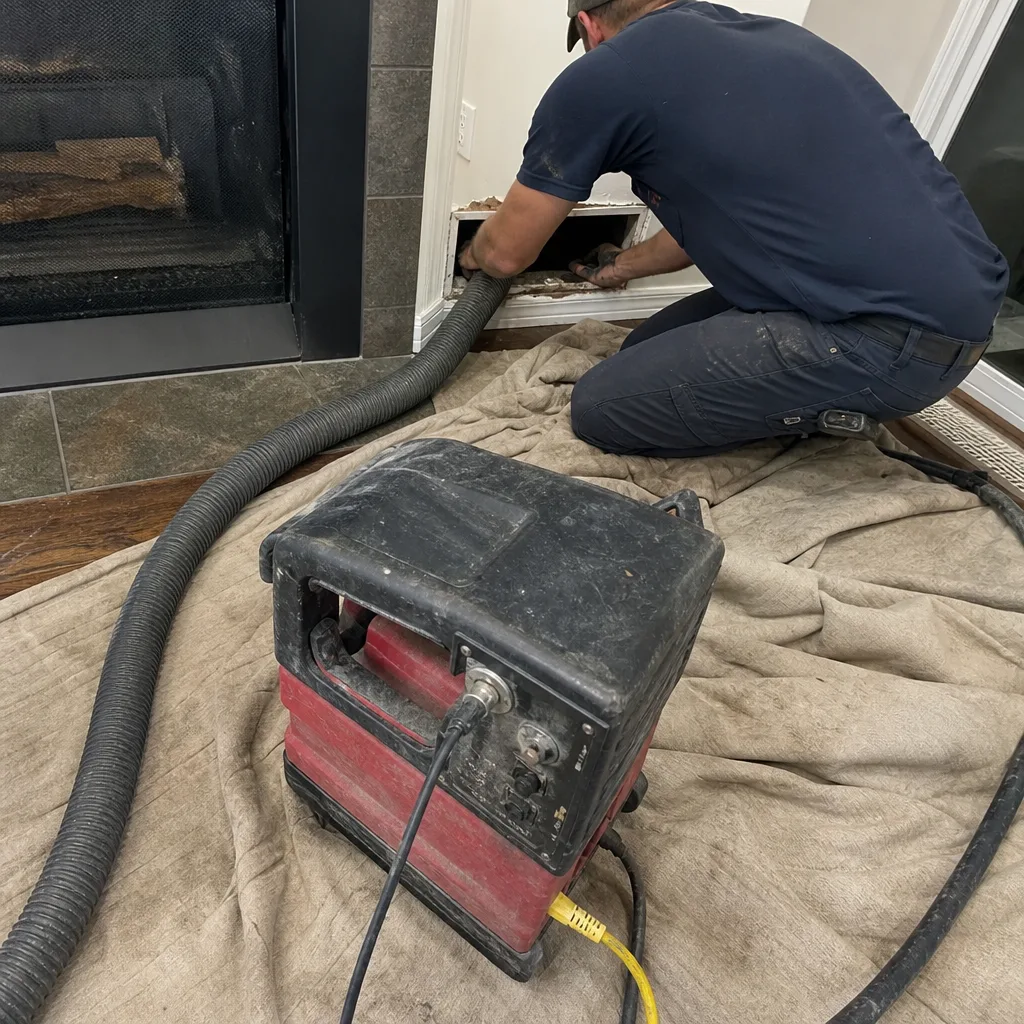 Before
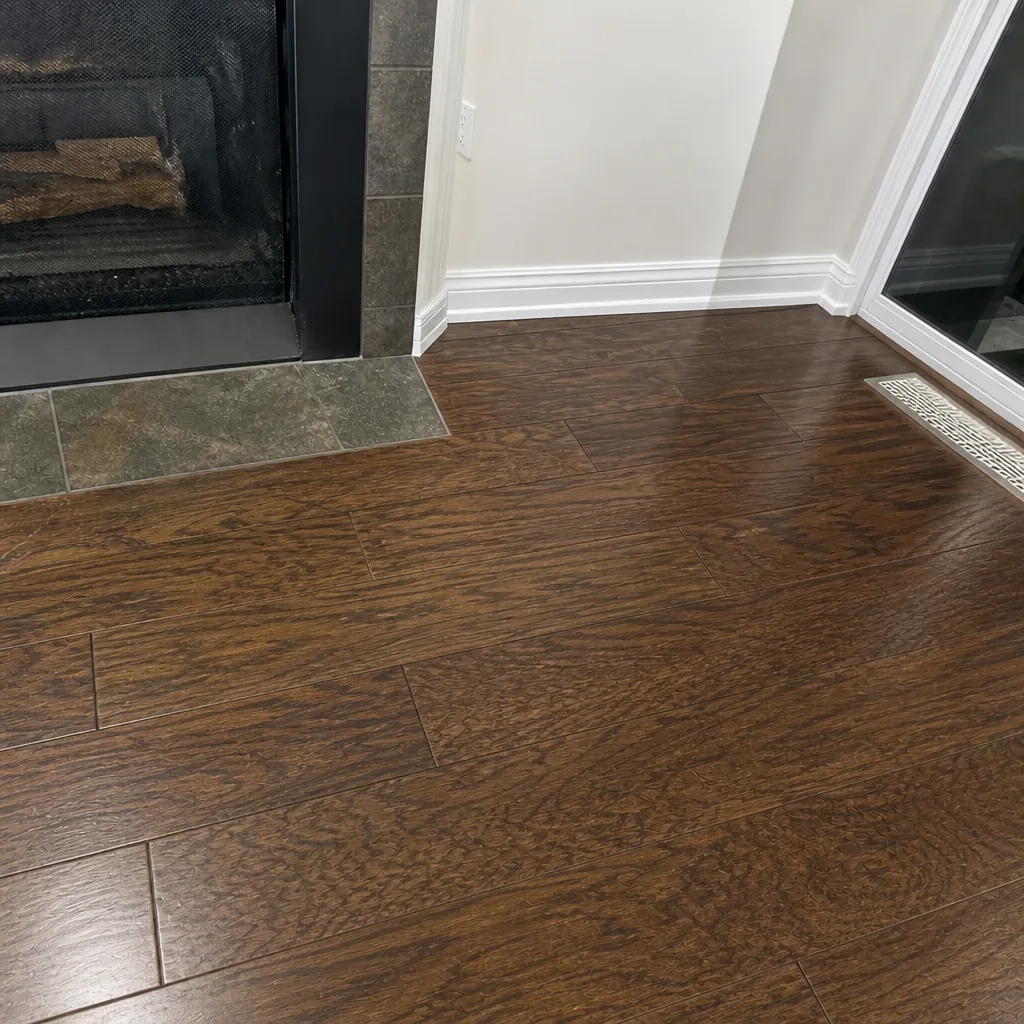 After
When to Call a Professional
Call a professional when you see visible dust mats inside your registers, when allergy symptoms track with time spent at home, when you’ve just purchased a home and don’t know the duct history, or when a remodel has left construction dust in the air. Call sooner if your dryer vent has never been cleaned, if the system has weak airflow at specific registers, or if you’ve noticed an unusual musty smell coming from a supply vent. In each case, the underlying problem could be dirty ducts, a disconnected run, or an airflow restriction – all three are worth diagnosing. Duct Cleaning Sparks offers free estimates in Sparks. Call (888) 561-9258. We answer 24/7. Fast dispatch from 7am to 7pm, Sunday through Friday.
Frequently Asked Questions
Air duct cleaning in Sparks typically costs $350 to $750 for a standard single-family home, depending on square footage, number of branch runs, and how much repair work turns up during inspection. Larger homes with multiple zones or heavy construction dust trend toward the high end. Prices are estimates – a written quote sets the final number before work starts. Call (888) 561-9258 for an exact quote – estimates are free.
Most Sparks homes need a full-system clean every two to four years, which is shorter than the five-to-seven-year guidance written for humid climates. The high desert’s fine alkaline dust and the valley’s ongoing construction both shorten the interval. Homes with pets, allergy sensitivity, or nearby development often need it every 18 months. If you want a specific recommendation for your house, call (888) 561-9258.
Cheap quotes are cheaper because less equipment is involved. A crew using a shop-vac and a hose vacuums the register openings and stops there. A crew using a Rotobrush rotary brush system and a Nikro HEPA-rated vacuum cleans the full system – supply lines, return plenums, and main trunk lines – under negative pressure so the dust doesn’t end up in your living room. The price difference reflects the difference in the work performed.
Ask for before-and-after photos of your own ducts, which any professional crew should take as standard. You can also look into a supply register with a flashlight after the job – clean metal means the system was cleaned. A company that can’t produce photos of your ducts is a company that doesn’t have documentation. For a documented clean with photos, call (888) 561-9258.
Yes, in two specific ways. First, the contamination here is dry and particulate – fine alkaline clay dust, pollen, and construction debris – rather than the mold and mildew that dominate in humid cities. Second, the extreme summer cooling load and large daily temperature swing mean leaks and disconnected joints cost you more on the power bill than they would in a milder climate. A clean, sealed system matters more here.
Usually, yes. A remodel generates drywall dust, sawdust, and silica powder that settles into the HVAC system quickly, and previous owners’ dust is its own layer. A first cleaning after moving in gives you a baseline you can verify and a clean start. If the home is being prepared for a rental inspection, documented before-and-after photos also help you demonstrate the work was done.
You can book both at the same time, and both are recommended on different schedules because they’re separate systems. Dryer vents need to be cleaned whenever lint accumulation becomes visible or every couple of years depending on laundry volume – lint is a documented fire risk. HVAC ducts and dryer vents are handled independently. Call (888) 561-9258 to schedule either or both.
The Bottom Line
Air duct cleaning in Sparks isn’t the same job it is in coastal or humid cities. Fine alkaline clay dust, short but intense pollen seasons, and the valley’s ongoing construction all push more particulate into your HVAC system than the generic five-year advice suggests. A full-system clean every two to four years, done with rotary brush agitation and HEPA-rated negative air pressure, keeps that dust out of the living space. Booking on price alone gets you a shop-vac and a register wipe. One flat price per system, agreed before work starts, with before-and-after photos of your own ducts, is the standard worth holding every company to. When you’re ready, call (888) 561-9258 for a free estimate. We answer 24/7. Fast dispatch from 7am to 7pm, Sunday through Friday.
For everyday service across the city, see our Sparks page.
Written by the team at Duct Cleaning Sparks.