
Last updated November 16, 2026
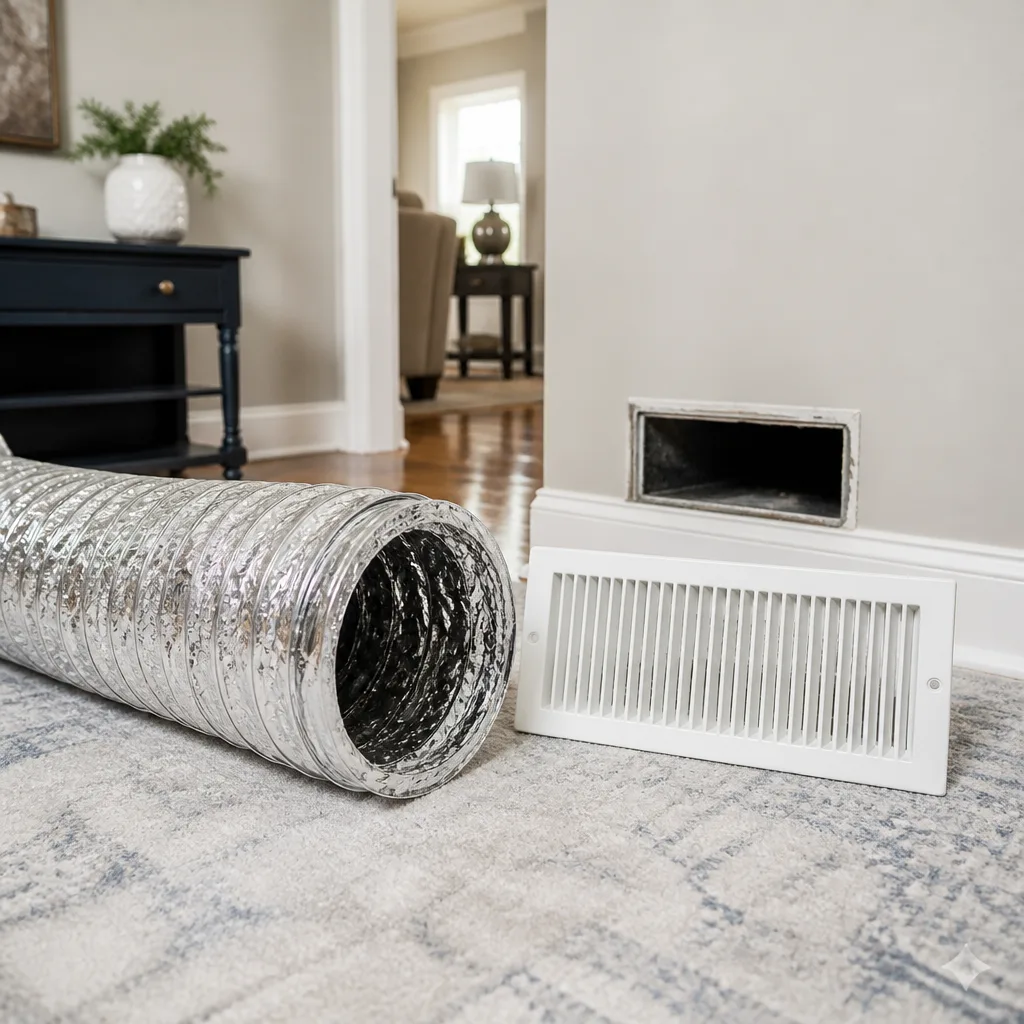 Whole-home duct cleaning
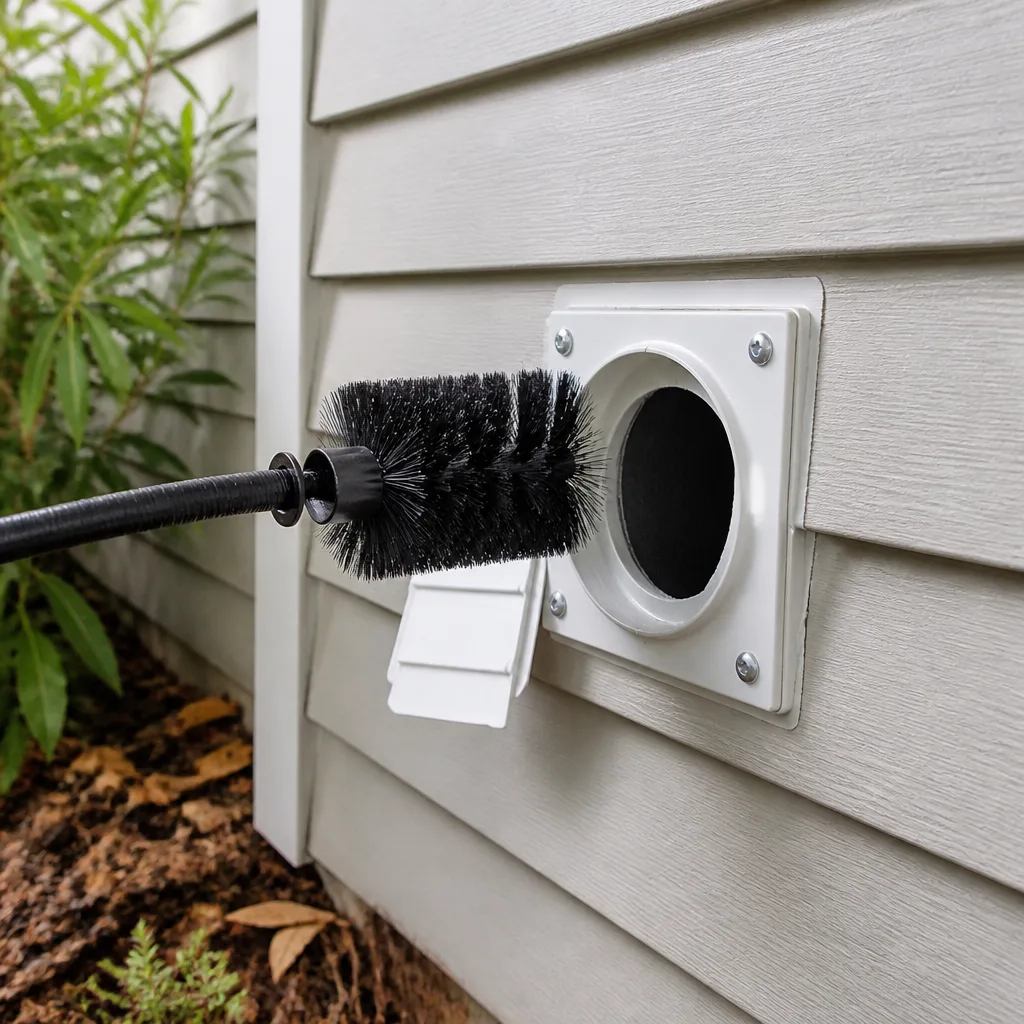 Dryer vent cleaning
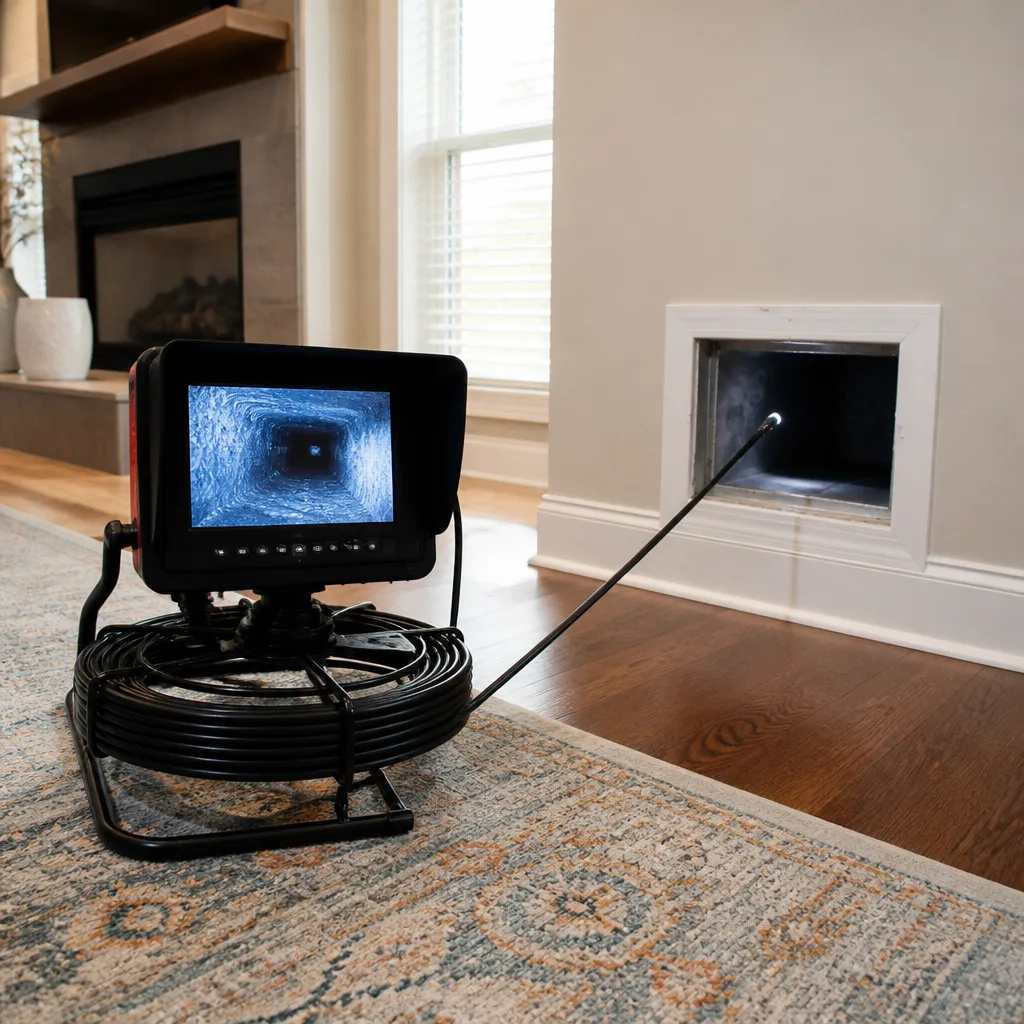 Camera inspection
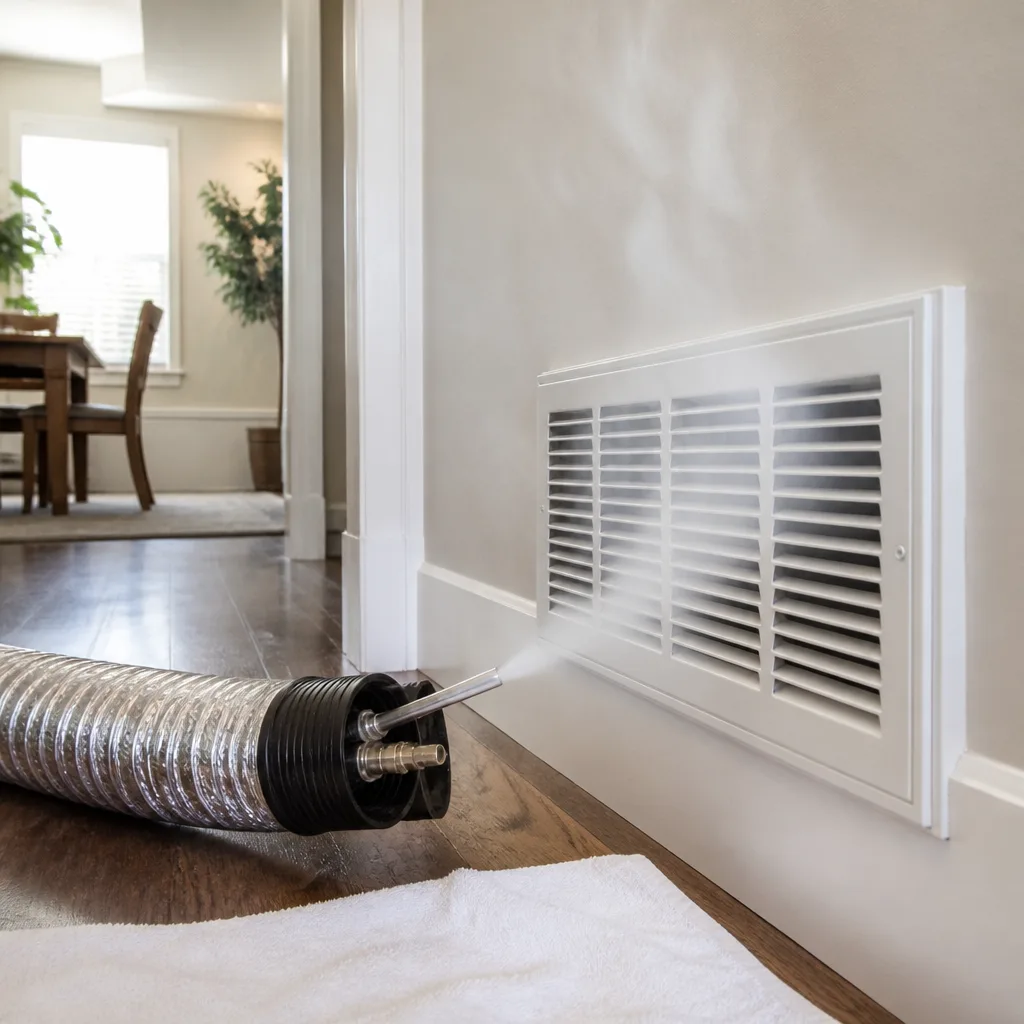 Sanitizing & deodorizing
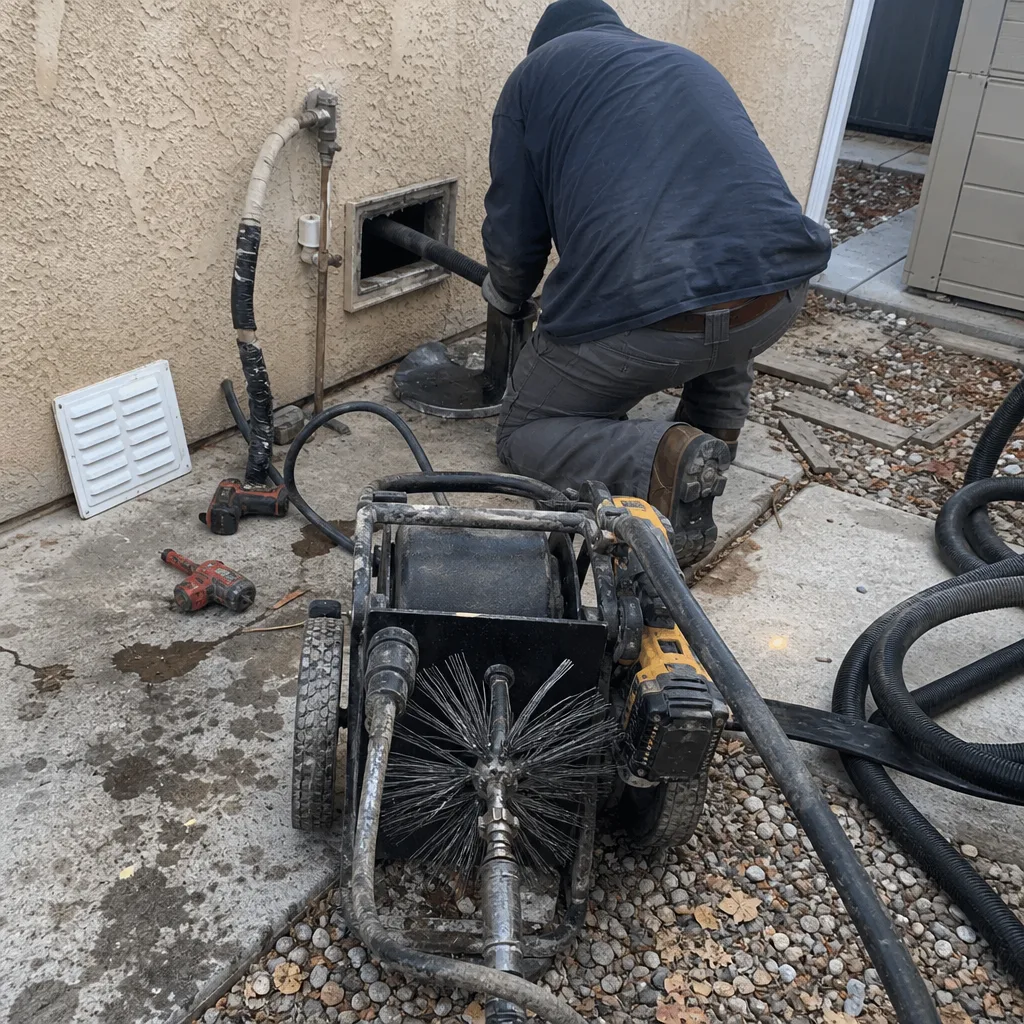
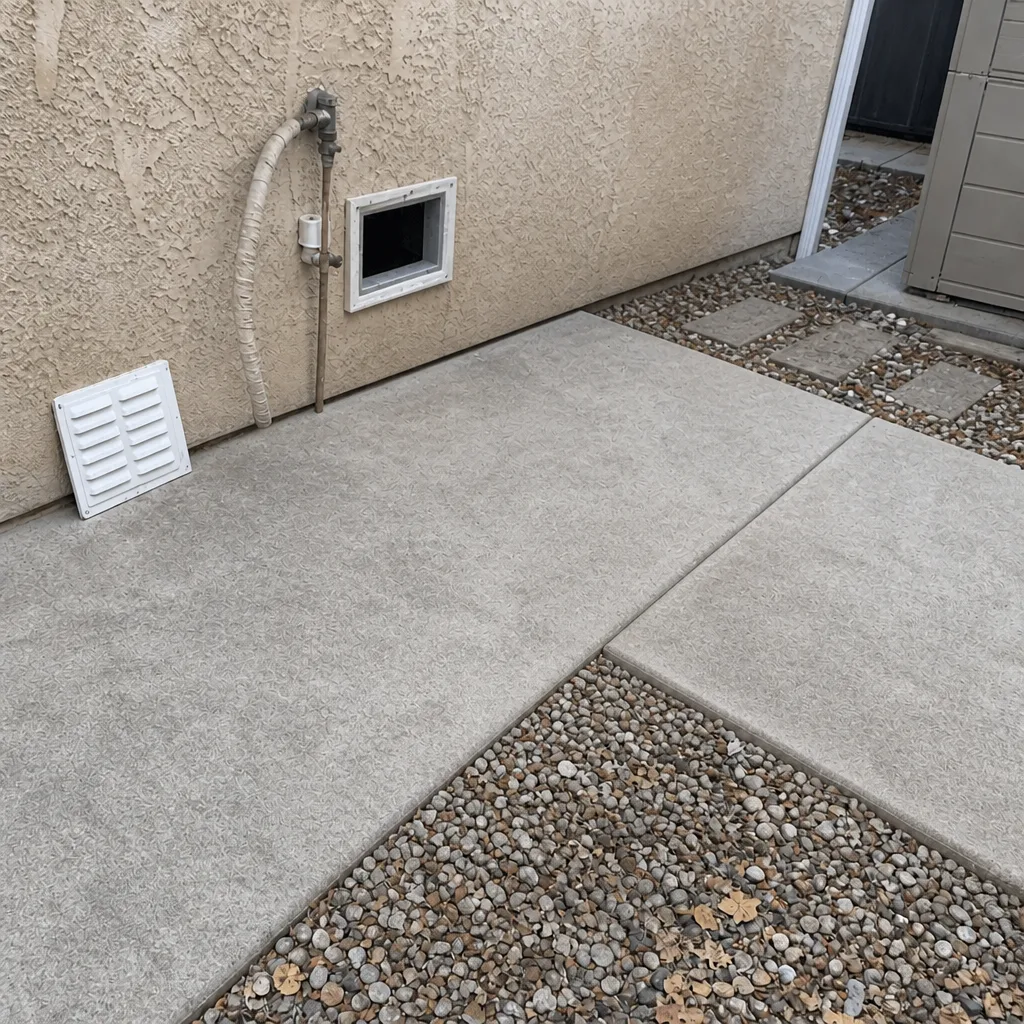
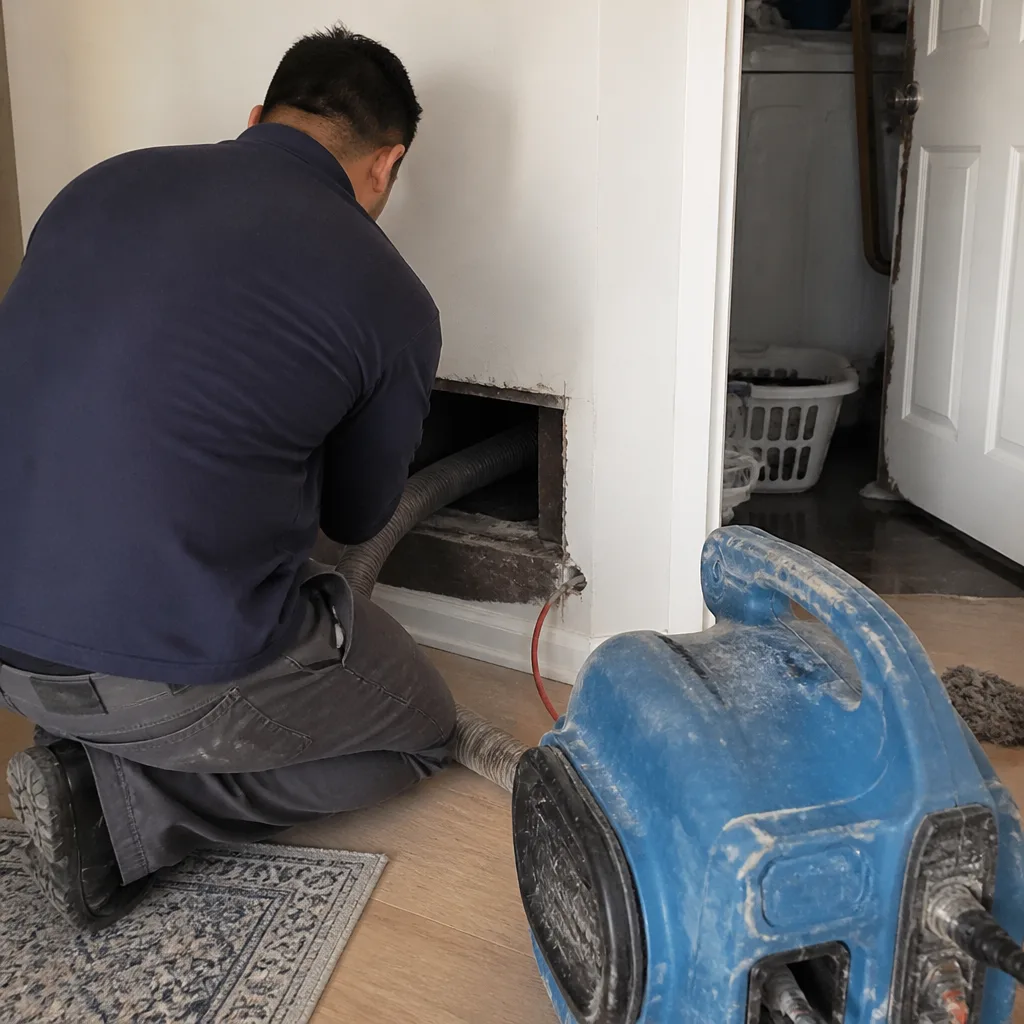
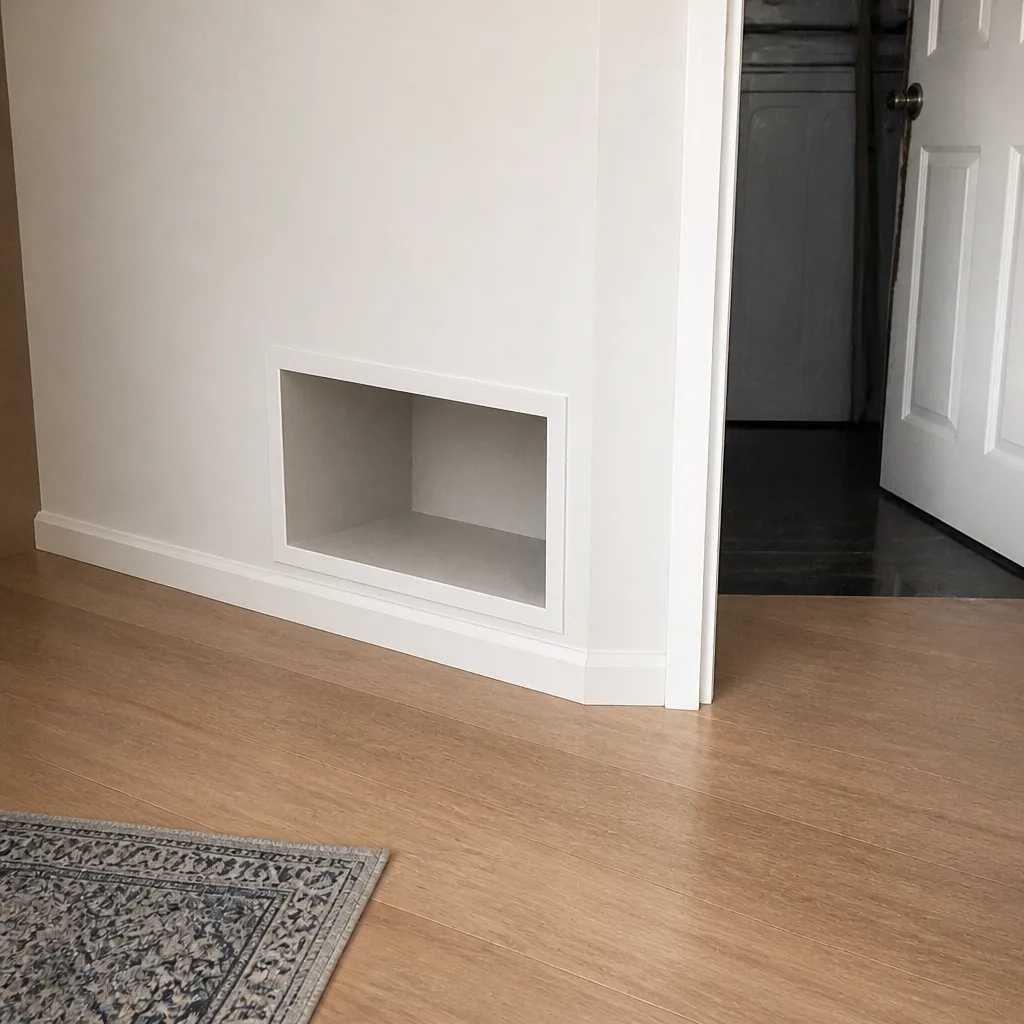
Whole-system duct and dryer vent check with before-and-after photos - you see exactly what came out of your vents
That "$99 whole-house special" is a bait ad - the real number appears once they are in your hallway, or the "clean" is a shop-vac at the register. We photograph the inside of your ducts before and after instead.
Air Duct Cleaning Permits, Codes & Inspections in Sparks, NV: What You Need to Know
Here’s the part most homeowners miss: cleaning your ducts doesn’t require a permit, but repairing them often does. That line matters more than people expect, because a duct cleaning company that patches a few sections of ductwork without pulling a mechanical permit in Washoe County leaves a code violation attached to your property record. It may sit quietly for years, then surface during a home sale, an insurance review, or a rental inspection when a buyer’s inspector opens the attic and finds work nobody signed off on. This guide walks through what the Nevada Mechanical Code actually governs, which repairs cross into permit territory, how after-the-fact permits work in Sparks, and what to verify before you authorize anyone to touch your ductwork.
Quick Answer
Routine air duct cleaning in Sparks does not require a permit. Repairing, replacing, or modifying ductwork generally does, because it falls under the Nevada Mechanical Code and Washoe County’s permitting requirements for mechanical work. Cleaning companies clean; licensed HVAC contractors perform permitted mechanical work. Knowing which one you’re hiring, and what license they hold, is the difference between documentation and a liability.
Styles & brands we work with
- Whole-home duct cleaning
- Dryer vent cleaning
- Camera inspection
- Sanitizing & deodorizing
Table of Contents
- What the Nevada Mechanical Code Says About Ductwork
- Where Cleaning Ends and Permitted Repair Begins
- How Washoe County Handles Duct Repair Permits and Inspections
- Duct Work in Sparks Homes Built Before 1990
- What to Verify Before Authorizing Any Duct Modification
- Cleaning Company vs. Licensed HVAC Contractor
- What Documentation Should Look Like
- Common Mistakes to Avoid
What the Nevada Mechanical Code Says About Ductwork
Nevada adopts a mechanical code based on the International Mechanical Code (IMC), and that code has plenty to say about ducts. Three areas matter most for residential work in Sparks: material, insulation, and joint sealing.
Material. Duct material has to be rated for the application. Standard galvanized sheet metal is the baseline. Flexible duct has to meet specific listing requirements and be installed with limited sag and proper support. The material choice isn’t cosmetic; it’s a fire and air-quality consideration, and the code treats it that way.
Insulation. Ducts running through unconditioned space, which in Sparks means just about every attic and crawlspace run, have to be insulated to specific R-values set by the energy code. Attic temperatures here swing hard between summer afternoons and winter nights, so insulation that’s been compressed, torn, or soaked loses its rated value fast. That degradation is one of the most common things we find during a cleaning.
Joint sealing. Duct joints, seams, and connections have to be sealed. Code language has tightened on this over the years, and modern practice calls for mastic or listed tape rated for the purpose, not generic cloth duct tape that dries out and peels within a few seasons in a hot attic.
Here’s the practical takeaway: cleaning disturbs none of this. Repair touches all of it, which is why repair is a code question and cleaning is not.
Where Cleaning Ends and Permitted Repair Begins
The distinction is simpler than the code makes it sound. Cleaning removes debris from a duct system that stays in place. Repair changes the system itself.
Generally no permit required:
- Cleaning and debris removal from existing ductwork
- Replacing a supply register or return grille with a same-size unit
- Sealing accessible joints on existing duct runs where no components are added or removed
- Cleaning and inspecting a dryer vent
Typically permit territory:
- Cutting in a new supply or return branch
- Replacing a run of flex duct or hard duct with a different configuration
- Rerouting a duct to serve a remodeling change
- Changing the number, size, or location of registers in a room
- Any modification that alters the system’s design capacity
In our experience in Sparks, the gray area shows up around “small” repairs. A technician finds a crushed flex run during cleaning and offers to swap it out. That swap looks minor, and the homeowner agrees on the spot. It’s still a modification of the mechanical system, and if the person doing it doesn’t hold the right license or pull the right permit, the paperwork gap is now permanent. If you want the cleaning side handled properly first, our air duct cleaning work is a reasonable starting point, because a documented inspection often reveals whether a repair conversation is coming.
How Washoe County Handles Duct Repair Permits and Inspections
Washoe County’s building department issues mechanical permits for ductwork modifications. The process for a straightforward residential duct repair looks roughly like this:
- Application. The licensed contractor submits a permit application describing the scope: what’s being replaced, where, and with what material.
- Review and issuance. The department reviews the scope against the mechanical code and issues the permit. Small residential repairs often move through review quickly, but the timeline is the county’s to set.
- Installation. Work proceeds to the permitted scope only.
- Inspection. A county inspector reviews the installation: material ratings, insulation, sealing, support, and clearances. The permit closes out after the inspection passes.
After-the-fact permits. When unpermitted duct work turns up, the county can require an after-the-fact permit. That means the property owner pays for the permit, and the work has to be inspected as-is. If the inspector finds code issues, corrections are required before the permit closes. Practical reality: opening ceilings or cutting into finished drywall to expose ductwork that was installed without inspection is expensive, and the corrections become the property owner’s problem regardless of who did the original work.
This is exactly the scenario a seller dreads. A buyer’s inspector flags modified ductwork with no permit record, the closing stalls, and the seller ends up negotiating from a weak position. The permit itself is cheap compared to that conversation.
Duct Work in Sparks Homes Built Before 1990
Sparks has a substantial stock of homes from the 1950s through the 1980s, and duct materials from those eras raise questions modern ductwork doesn’t. The short answer for anyone dealing with an older home: get the material identified before you authorize a modification.
Older duct systems in Sparks may involve:
- Duct tape and mastic from earlier eras. Adhesives and mastics formulated before modern standards can degrade, delaminate, or contain compounds that today’s products don’t. Disturbing them during a repair raises a question of safe handling.
- Insulation types now treated with more caution. Some older duct wrap and lining materials are handled differently today than they were at installation. Identification matters before cutting.
- Asbestos-containing materials. Duct wrap, insulation board, and joint compounds in pre-1990 homes can contain asbestos. This isn’t something to guess at. Materials testing before any cutting or demolition is the standard approach, and the same disclosure obligations that apply to any known hazardous material in a home sale apply here.
The Nevada climate adds an angle. Attic heat cycling in Sparks drives adhesives and insulation through thousands of expansion and contraction cycles, which accelerates degradation. We work with Abatement Technologies air filtration equipment on contamination-heavy jobs where containment matters, and older duct material is one of the situations that calls for it. If you’re selling a pre-1990 Sparks home, inspect the ducts before the listing, not during the option period.
What to Verify Before Authorizing Any Duct Modification
Nevada licenses contractors through the Nevada State Contractors Board, and the license classification matters. Before anyone modifies ductwork on your property, check these items:
- License status. Look up the contractor on the Nevada State Contractors Board’s public database. Confirm the license is active and in good standing, not just that a number exists.
- Classification. Mechanical work generally falls under a mechanical classification (the C-21 category covers heating, ventilation, and air conditioning work, among related scopes). A license that doesn’t cover mechanical work isn’t valid for duct modifications, regardless of how the contractor describes the job.
- Insurance and bonding. Confirm current general liability coverage and the bond required of licensed contractors. If the work goes wrong and there’s no coverage, the cost lands on you.
- Written scope. Get the scope in writing: material, insulation value, sealing method, and whether a permit will be pulled. If the answer to the permit question is vague, treat that as a no.
- Who’s actually doing the work. Ask directly whether the person performing the modification is employed by the licensed contractor or subcontracted. The license has to cover the people doing the work.
We connect Sparks homeowners with independent local professionals, and the businesses we work with hold the state licenses their scope requires. Our technicians have up to experience. When you’re evaluating anyone in this trade, the license check takes ten minutes and it’s the single most valuable step in the process.
Cleaning Company vs. Licensed HVAC Contractor
Both trades work on ducts. They are not interchangeable.
A duct cleaning company removes debris, inspects, documents, and reports. That work requires professional equipment and a real process, but it doesn’t require a mechanical license because there’s no modification. When cleaning is done properly, with a rotary brush system and a HEPA-rated vacuum providing negative pressure at the system, the result is a documented before-and-after of what came out.
A licensed HVAC contractor modifies the system: replacing runs, adding branches, altering design. That work requires the mechanical license and, typically, a permit.
Why the distinction holds up under scrutiny:
- Warranty. Manufacturer warranties on HVAC equipment and duct components often exclude work performed outside licensed scope. An unpermitted modification is an easy denial.
- Insurance. If duct modification done without a permit or license contributes to a loss, the insurer has a documented basis to dispute the claim.
- Inspection. Home inspectors and municipal inspectors both look at paper. No permit record, no documentation, and the burden of proof shifts to the owner.
Our role in Sparks is the first category. We clean, we inspect, and when we find a problem we can repair it in the same visit where the repair fits the licensed scope. Anything that requires a mechanical permit belongs with a licensed HVAC contractor, and we’ll tell you so plainly.
What Documentation Should Look Like
Here’s the test that separates a real duct cleaning from a truck with a big vacuum. Ask what you’ll receive in writing before the work starts.
- Before-and-after photos of your ducts. Not stock images. Photos of your system, your attic, your registers.
- A written scope and a flat price per system. No per-vent pricing, no coupon that doubles once the technician is on site. One flat price per system, agreed before work starts.
- An inspection summary. Noting any crushed runs, disconnected joints, or degraded insulation found during the work, plus whether each issue is a cleaning matter or a repair that needs a licensed HVAC contractor.
- Equipment on the record. A rotary brush system and a HEPA-rated vacuum belong in the summary. We use Rotobrush rotary equipment and Nikro HEPA-rated vacuums, and the summary says so.
That package serves you in a home sale, a rental inspection, or an insurance conversation. Air quality you can verify is the whole point of paying for professional equipment. If your search for Sparks duct service turns up providers who can’t put that together on paper, that’s your answer.
Common Mistakes to Avoid
- Accepting a “quick patch” from a non-licensed cleaner. It seems helpful on the spot and it leaves an unpermitted modification on your property record. A cleaning company can clean and can repair within scope; mechanical modification belongs to a licensed HVAC contractor.
- Skipping the permit because the repair felt small. Permit thresholds follow the scope of the work, not the size of the invoice. Replacing a run of duct is a modification regardless of how the contractor frames it.
- Not checking the Nevada State Contractors Board before the work starts. A license number on a business card proves nothing. The public database does.
- Ignoring duct material in a pre-1990 Sparks home. Testing older duct wrap and mastic before cutting is the baseline. Asbestos questions and disclosure obligations come with the territory in homes of a certain age.
- Being talked into a repair during a cleaning without a written scope change. If the scope expands mid-visit, stop and get it in writing with the permit question answered.
- Choosing the cheapest quote without asking what “cleaning” actually means. A shop-vac setup and a rotary brush system with HEPA containment are not the same service, and the price gap usually explains itself.
- Waiting until a home inspection to look at the ducts. Any unpermitted work surfaces during the option period, when you have the least room to negotiate. Inspect before listing.
See the difference
 Before
 After
 Before
 After
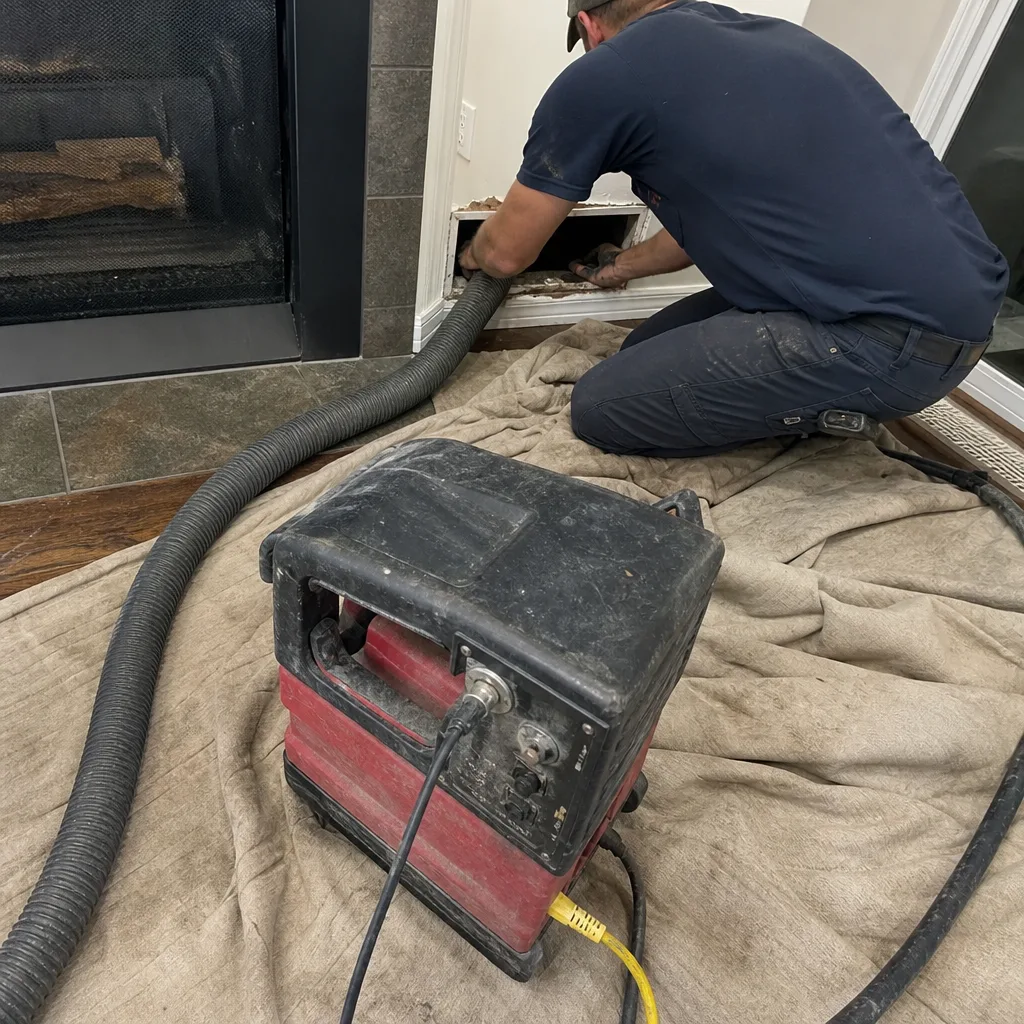 Before
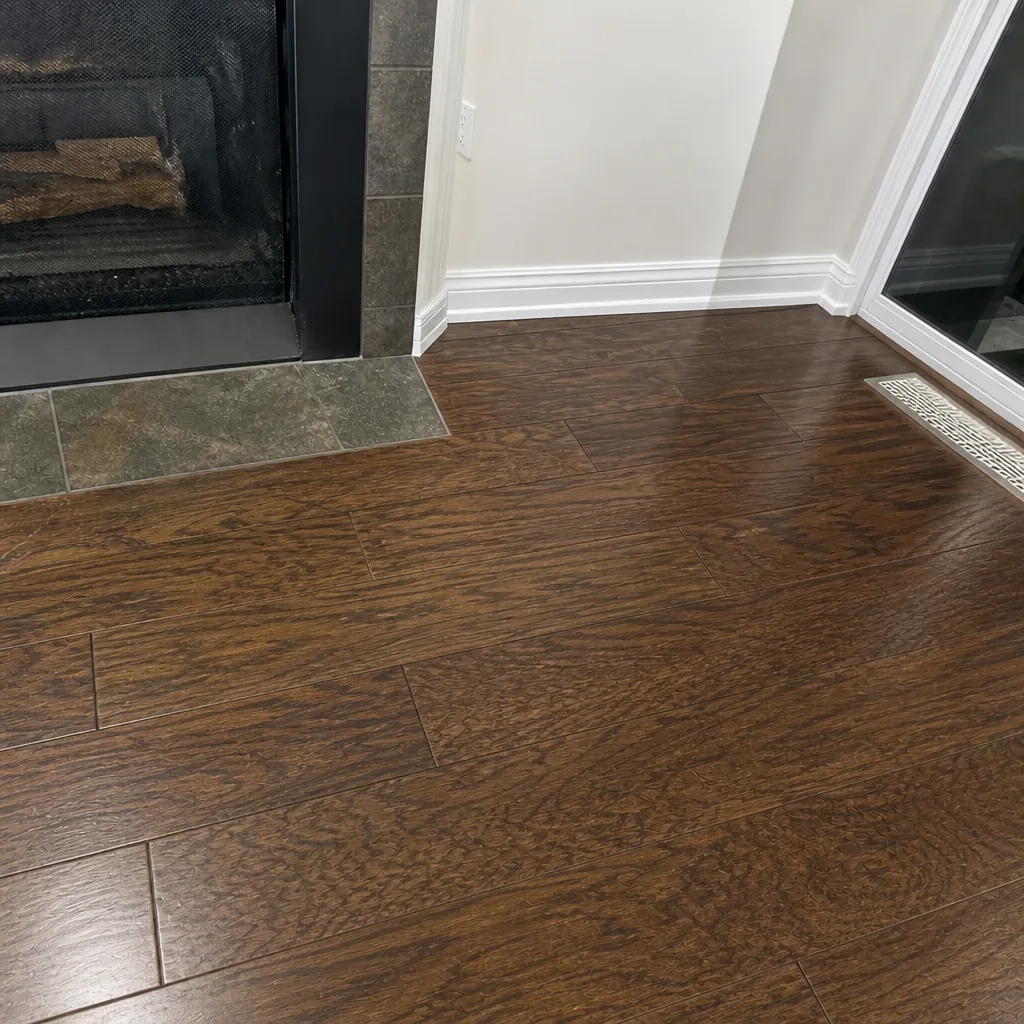 After
When to Call a Professional
Some situations need a phone call rather than a plan. If you’ve found modified ductwork with no permit record, if an inspector has flagged the ducts, if a cleaning revealed crushed or disconnected runs, or if you own or manage a pre-1990 Sparks property and haven’t had the duct material identified, call before anyone cuts into it. If you’re managing allergies and want to know whether your ducts are part of the problem, a documented cleaning with before-and-after photos gives you a straight answer. Duct Cleaning Sparks offers free estimates in Sparks. Call (888) 561-9258. We answer 24/7. Fast dispatch from 7am to 7pm, Sunday through Friday.
Frequently Asked Questions
No. Routine air duct cleaning in Sparks doesn’t require a permit because cleaning removes debris from a system that stays in place. If the work includes repairing, replacing, or modifying ductwork, that’s mechanical work under the Nevada Mechanical Code and usually requires a permit from Washoe County. Call (888) 561-9258 for an exact quote on the cleaning side, and we’ll flag anything that needs a permitted contractor.
Usually yes, if the repair changes the system: replacing a run of flex duct, cutting in a new branch, or altering register locations all count as modifications. Sealing an accessible joint or swapping a same-size register doesn’t. When in doubt, ask the Washoe County building department directly. Estimates from us are free; call (888) 561-9258.
The county can require an after-the-fact permit, which means the owner pays for the permit and the work has to pass inspection as-is. Corrections become the owner’s cost, and the inspection report sits in the transaction. It usually stalls closing or becomes a negotiating point. Getting the cleanup sorted before you list is far cheaper than sorting it under contract. Call us for a documented inspection first: (888) 561-9258.
Only within the scope the company is licensed for. Cleaning and inspection require no mechanical license. Modification of the duct system generally requires a mechanical license classification issued by the Nevada State Contractors Board. Ask what scope the repair falls under and who holds the license covering it before the work begins.
You get before-and-after photos of your own ducts, a written scope, and a flat price per system agreed before work starts, plus an inspection summary noting any issues found. That’s the standard we hold. No per-vent pricing, no teaser coupon that grows on site. Call (888) 561-9258 for a free estimate and ask what the documentation package will include.
There’s no fixed calendar answer. Homes with pets, recent remodeling, visible debris at the registers, or anyone in the household managing allergies tend to benefit sooner. In Sparks, the heat-driven attic cycles accelerate insulation and mastic degradation, which can create debris that wouldn’t appear on the same timeline elsewhere. A documented inspection tells you what you actually need, and estimates from us are free: (888) 561-9258.
The Bottom Line
Cleaning doesn’t require a permit. Repair and modification usually do, and that’s the line that trips up most Sparks homeowners. Check the license classification on the Nevada State Contractors Board database before anyone touches your ductwork. Treat duct material in pre-1990 Sparks homes as something to identify before cutting. Ask for the paperwork: before-and-after photos, a written scope, one flat price per system. And handle inspection before a sale, not during it. Clean ducts, repaired ducts, safe dryer vents, all documented. If any of that is still unclear, the phone is the fastest way to sort it.
Where Our Work Fits
We keep the three services we do in a tight lane: air duct cleaning, air duct repair within the licensed scope, and dryer vent cleaning. Duct cleaning in Sparks homes with our professional-grade equipment gives you a documented baseline. Air duct repair on the same visit keeps small problems from becoming a permit conversation. Dryer vent cleaning handles one of the leading household fire risks that duct-only outfits tend to skip. For the full picture of what we do, start with Duct Cleaning Sparks.
Call (888) 561-9258 for a free estimate. We answer 24/7. Fast dispatch from 7am to 7pm, Sunday through Friday.
Written by the team at Duct Cleaning Sparks.