
Last updated November 16, 2026
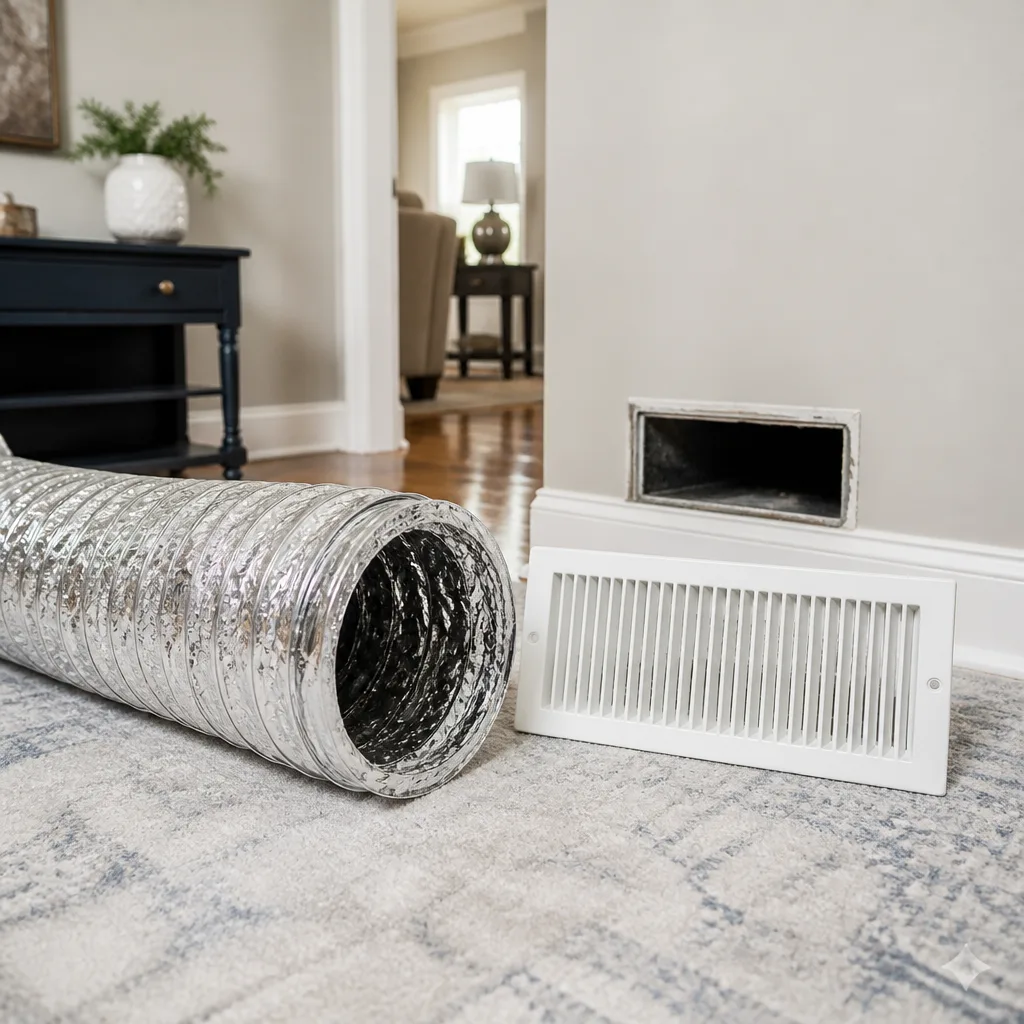 Whole-home duct cleaning
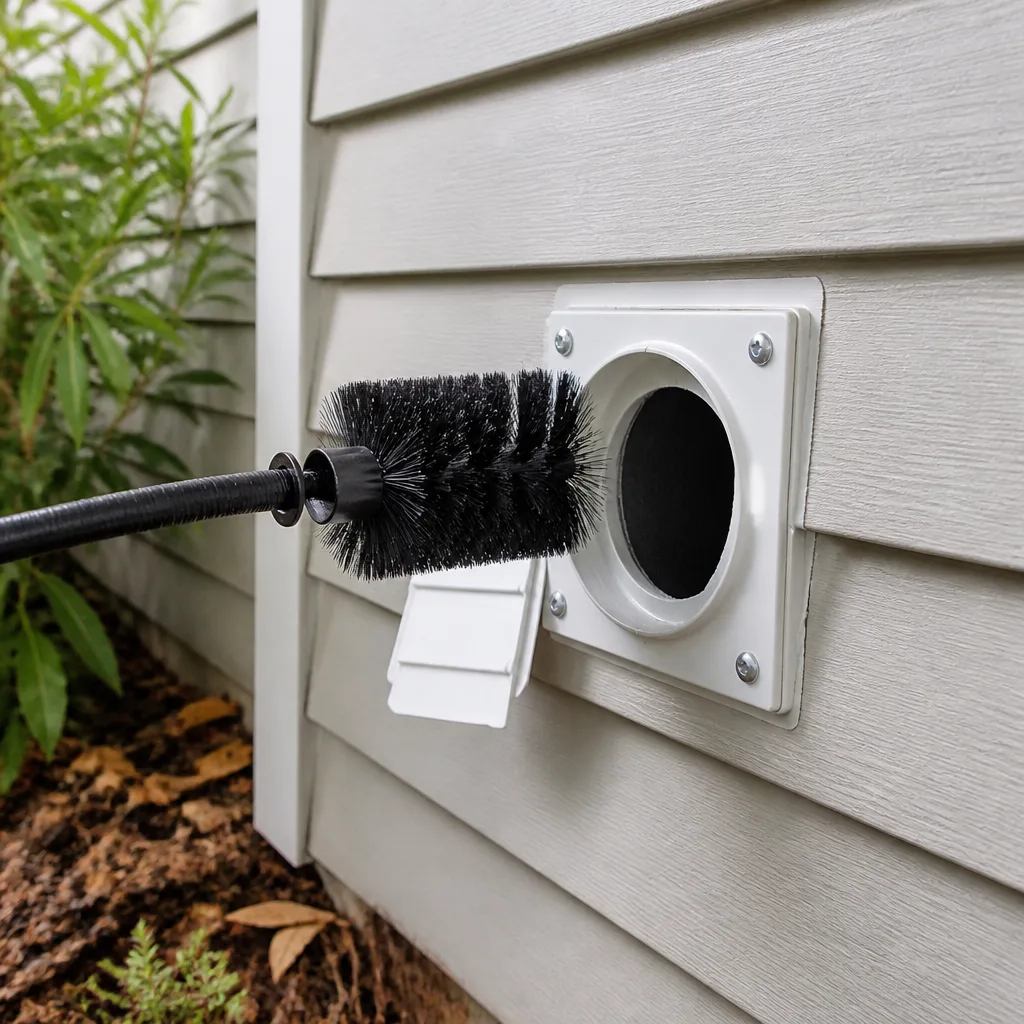 Dryer vent cleaning
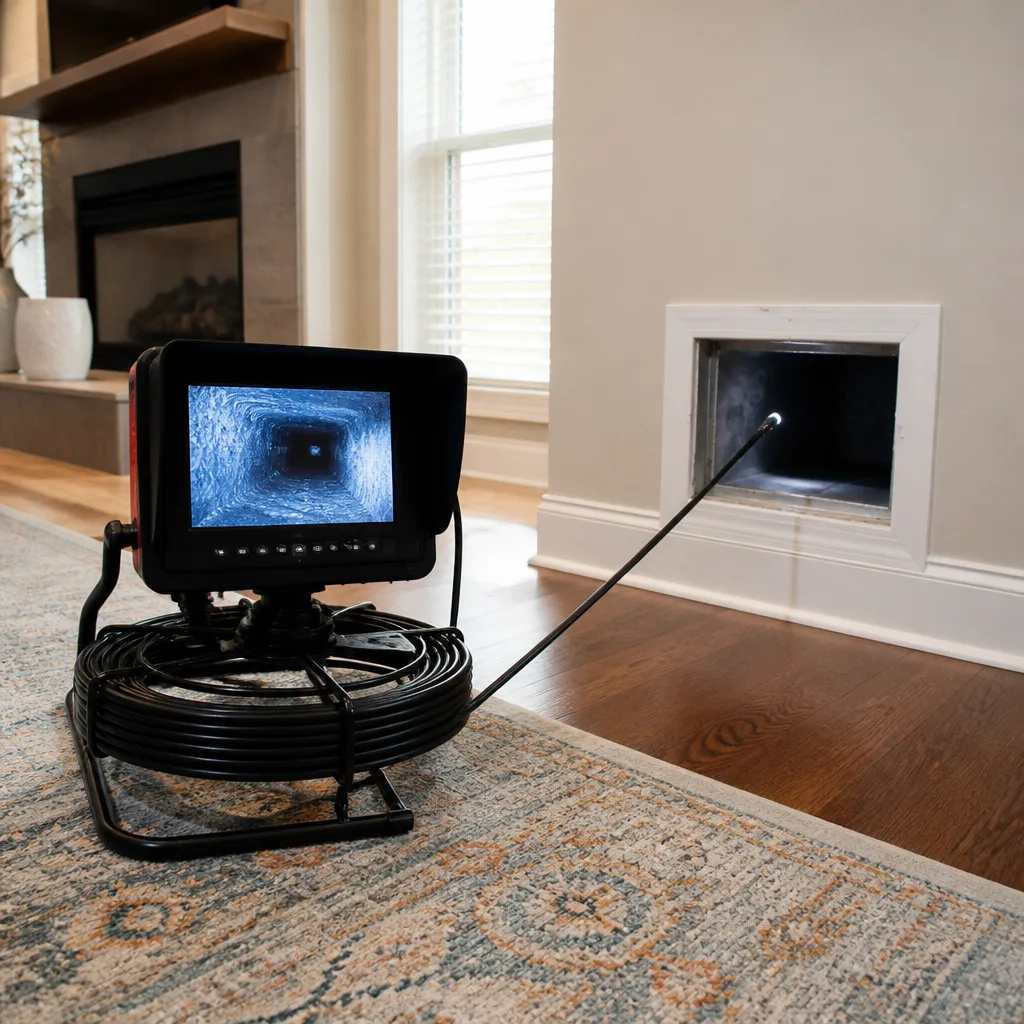 Camera inspection
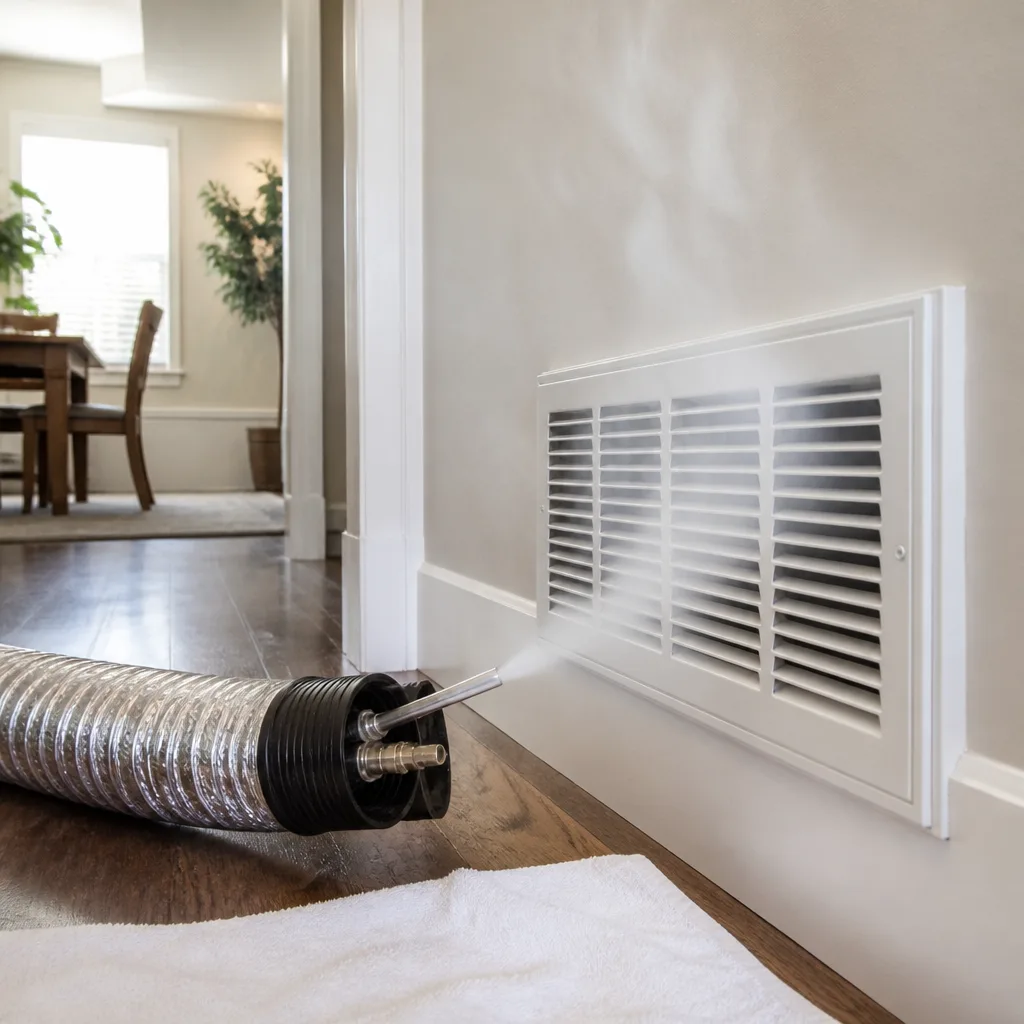 Sanitizing & deodorizing
Whole-system duct and dryer vent check with before-and-after photos - you see exactly what came out of your vents
That "$99 whole-house special" is a bait ad - the real number appears once they are in your hallway, or the "clean" is a shop-vac at the register. We photograph the inside of your ducts before and after instead.
Air Duct Cleaning Cost Breakdown: The Sparks Homeowner’s Reference for 2026
Here’s the part of duct cleaning pricing that surprises most homeowners: a $99 whole-house offer doesn’t cover a whole-house job. It covers roughly what it costs the operator to run – a residential shop vac, a technician, and 90 minutes pushing a brush into the vents he can see from the floor. Nothing in that setup touches the main trunk line, the return system, or the fine debris that has settled across the entire duct network. What you’re about to read is a line-item breakdown of what legitimate commercial-grade service actually contains, what each tier of Sparks work costs in 2026, and how to convert any two quotes into the same units so you can compare them honestly.
Quick Answer
Air duct cleaning in Sparks in 2026 typically runs $450 to $900 for a small single-story home, $700 to $1,300 for a large two-story, and $1,100 to $1,800 for a multi-zone system with separate units. The spread exists because quotes sold as “whole-house” can mean a 90-minute vent wipe or a full-system High-CFM extraction with per-register brush agitation – and those are different services with different costs. The written estimate always sets the final price, and it should spell out exactly which of the line items below are included.
Styles & brands we work with
- Whole-home duct cleaning
- Dryer vent cleaning
- Camera inspection
- Sanitizing & deodorizing
Table of Contents
- What Does a Legitimate Duct Cleaning Job Actually Include?
- What Do the Three 2026 Price Tiers Look Like in Sparks?
- What Drives the Cost of a Duct Cleaning Job?
- Which Add-Ons Are Worth It and Which Are Upsells?
- Why Whole-House Quotes Cost Less Per Vent
- How Do You Compare Quotes With Different Scope Structures?
- Why Equipment Determines Price (and Value)
- What Are the Safety and Code Concerns in Sparks?
What Does a Legitimate Duct Cleaning Job Actually Include?
A legitimate job includes six distinct tasks, and the price difference between a cheap quote and an honest one almost always comes down to which of those six the operator actually performs. On a coupon-ad job, you typically get one or two of them. Here’s what a full-system visit contains when done with commercial equipment.
Before we walk through the list, one note on our own operation: Duct Cleaning Sparks uses professional-grade systems – a Rotobrush rotary brush unit for register-level agitation and Nikro HEPA-rated vacuum extraction for containment-level debris capture. Those are the tools that make the six-step process below physically possible in a single visit. A shop vac can’t create enough negative pressure to pull settled debris out of a main trunk line, no matter how long the technician runs it.
The Six Tasks That Define a Full-System Clean
- High-CFM vacuum setup and containment. A truck-mount or high-CFM portable unit is connected to the main trunk or plenum and run before any agitation begins. This creates negative pressure across the whole system so loosened debris is captured, not redistributed into the house. If your quote doesn’t mention negative-pressure containment, that’s the first red flag.
- Per-register brush agitation. Every supply register gets a rotary brush run through it. This is the step that loosens the caked layer of dust, pet hair and skin cells stuck to duct walls – the layer vacuum alone won’t move. On a Rotobrush system, the brush rotation and vacuum run as one unit, so debris is captured the moment it’s dislodged.
- Main trunk line cleaning. The big rectangular or round duct running through the attic or crawl space gets its own pass with agitation tools sized to the duct. This is the largest single volume of ductwork in the house and the step most often skipped on cheap jobs, because it takes real equipment and time.
- Return system cleaning. Return ducts carry the air back to the air handler. They’re often dirtier than supply ducts because they pull from floor level where dust settles. A whole-house job cleans both sides of the system.
- Post-job HEPA vacuuming of registers and surrounding surfaces. After the main work, registers, grilles and the floor beneath them get a final pass with HEPA-rated vacuum equipment so the work leaves the room cleaner than it started. Nikro HEPA units are the standard for this step, and they’re rated for debris fine enough to matter for allergy households.
- Before-and-after documentation. Photos of the ducts, registers and air handler before and after work are your record that the job was done. Ask for them specifically. If a contractor can’t produce them, you have no way to verify the work.
Any operator who performs all six items in a Sparks home is doing a whole-house job. Any operator who performs only step two in visible vents is doing a vent wipe – and that’s what a $99 coupon buys.
What Do the Three 2026 Price Tiers Look Like in Sparks?
Pricing in Sparks splits into three rough tiers based on system size and complexity. These are typical estimated ranges for professionally executed work, not the low-coupon end of the market. They reflect the six-step process above, done with commercial equipment, in a typical Sparks home.
| System Type | Typical 2026 Range | What You’re Buying |
|---|---|---|
| Small single-story (roughly 1,200-1,600 sq ft, single air handler) | $450-$900 | Full six-step clean on one system, typically 8-14 supply registers plus returns and trunk |
| Large two-story (roughly 2,000-2,800 sq ft, single air handler) | $700-$1,300 | Same scope, longer trunk runs, attic ductwork access, more registers, more time on agitation |
| Multi-zone (two or more air handlers, or multi-zone dampered system) | $1,100-$1,800 | Two separate systems cleaned, or a zoned system with independent trunk lines, plus full return cleaning on each |
Three things push a Sparks job toward the top of its tier. First, attic ductwork. Much of the duct system in Sparks-area homes runs through an unconditioned attic, and summer attic temperatures make that work slower and hotter – it’s not a premium, it’s physics. Second, flex duct. Flexible duct common in newer Sparks construction is cheaper to install than rigid metal, but it’s harder to clean properly because the interior corrugation traps debris and can’t take aggressive brush agitation. A contractor who understands this uses gentler rotary tools on flex runs. Third, contamination level. A home with pets, recent remodeling, or years of deferred cleaning needs more agitation passes on the same square footage.
Ask for the estimate in writing with the register count and system count spelled out. A range without those two numbers isn’t an estimate, it’s a guess.
What Drives the Cost of a Duct Cleaning Job?
Five variables move the price materially. Understanding them lets you read any quote and know whether the number makes sense for your house.
- Number of registers. Every supply and return register gets individual agitation. A 1,400 sq ft home typically has 8-12 supply registers and 2-4 returns. A 2,600 sq ft two-story often has 16-22 supplies and 4-6 returns. That’s double the work.
- Number of air handlers. Each HVAC system has its own duct network. A home with two systems is really two jobs.
- Duct material and condition. Rigid metal duct takes aggressive agitation; flex duct requires gentler tools and more passes. Ductboard – a rigid fiberglass product used in some older installations – needs a careful approach because the interior surface can degrade if handled wrong.
- Access. Attic access panels, tight crawl spaces, and long trunk runs all add time. In Sparks, single-story homes with full attic access are the fastest; two-story homes with limited attic crawl panel access take noticeably longer.
- Contamination level. One to two extra agitation passes can add meaningful time on a heavily soiled system – pet dander, post-remodel drywall dust, or 10-plus years of accumulation.
Our technicians have up to experience across these variables, and in practice the register count drives roughly 60 percent of the price variance between any two quotes. If you have your register count handy before you call, you’ll get a tighter estimate.
Which Add-Ons Are Worth It and Which Are Upsells?
Three add-ons get pitched on nearly every duct cleaning call. Two have real ROI. One usually doesn’t, and it’s the one most often bundled in as a line item without explanation.
Dryer Vent Cleaning – Clear ROI, Genuine Safety Value
Dryer vent cleaning is the add-on with the cleanest value proposition: it addresses a leading household fire risk, and it improves dryer performance at the same time. Lint accumulation in a dryer vent restricts airflow, makes the dryer run longer, and is the fuel source in a substantial share of home dryer fires. Most duct-only cleaners don’t offer this service at all. dryer vent cleaning is a standard part of what we do in Sparks, and it’s worth doing on the same visit – the access and equipment setup are already in place. If you’re calling for a duct clean, ask whether the dryer vent can be included.
UV Light Installation – Conditional Value
UV light systems installed in the air handler or plenum can make sense in specific cases: households with a family member who has a documented respiratory condition, homes with persistent mold issues in the air handler or drain pan, or homes where the HVAC coil is chronically damp. In those cases, a UV system can help. In a dry Sparks climate with no moisture problem and no one with respiratory concerns, a UV upsell is usually a solution looking for a problem. Ask the technician why they’re recommending it. If they can’t point to a specific issue in your system, decline.
Chemical Sanitizing Spray – Usually Unnecessary
Chemical sanitizing sprays are the add-on we most often see on quotes without justification. If a duct system is mechanically cleaned thoroughly with HEPA extraction, sanitizer adds little. The spray treats a surface that’s already been extracted. The exception is genuine biological contamination – visible mold growth confirmed inside the ductwork, or a rodent or pest infestation that requires disinfection after cleanup. Outside those cases, an honest operator will tell you the spray isn’t necessary. Ask the question and watch what happens.
Why Whole-House Quotes Cost Less Per Vent
This is the piece of duct cleaning pricing that surprises people most. A whole-house quote often comes in at a lower cost per vent than a partial-house quote from the same contractor. That’s not a discount – it’s the economics of setup time.
Every duct cleaning job carries a fixed setup cost: running the vacuum unit, connecting it to the trunk, establishing containment, and hauling the equipment in and out. On a whole-house job, that setup cost spreads across the full register count. On a partial-house job – say, only the supply side, or only the upstairs – the same setup cost spreads across half as many vents. Per-vent, the full job is usually cheaper.
Here’s the question worth asking yourself before you decide:
- Do you have pets? Pet hair travels through the return system and settles throughout the duct network. A partial clean leaves the return side, where pet hair concentrates, untouched.
- Is anyone in the household allergic? If you’re cleaning ducts because of allergy symptoms, cleaning only the supply side does roughly half the job. The return is where the air comes back from the floor level where dust settles.
- Are you selling or renting out the home? A partial-house invoice is harder to point to in a real estate disclosure or a rental inspection. A whole-house job with photos and a written scope is documentation.
- Has the system ever been cleaned? On a first-ever cleaning after 10-plus years, the contamination has spread through the whole system. A partial job will leave a reservoir of debris that recontaminates the clean portion.
In three of those four cases, whole-house is the financially sensible call. The only scenario where partial makes clear sense is a small, well-maintained system where the return side was cleaned recently and the buyer just wants the supply side refreshed.
How Do You Compare Quotes With Different Scope Structures?
Two quotes can both say “whole-house duct cleaning” and mean entirely different things. This is where most homeowners get caught. The fix is to convert every quote into the same three units: cost per register, per-system price, and scope of included work. Here’s the process.
- Ask for the register count on the quote. A quote without a register count isn’t an apples-to-apples offer. If a contractor charges per-vent, count your own vents first (walk the house, count every supply and return grille) so you can’t be quoted for “20 vents” when you have 12.
- Ask which of the six tasks are included. Main trunk? Returns? Post-job HEPA vacuuming of registers? Before-and-after photos? Any quote that skips one of those is a partial-scope quote even if it says “whole-house.”
- Convert per-vent pricing to a whole-system equivalent. If a contractor quotes $45 per vent and you have 18 supply vents plus 4 returns, the total is roughly $990 for the supply and return registers only – but that price may or may not include the main trunk and plenum cleaning. Ask specifically. A $45-per-vent quote that includes everything is legitimate. A $45-per-vent quote that only counts supply vents and skips the trunk is not the same job.
- Compare the same number of systems. If you have two air handlers, verify that both quotes price two systems. A quote that names one system when your house has two will come in lower – and it’s not a better deal, it’s a smaller job.
- Ask about the equipment being used. A quote referencing a truck-mount or high-CFM portable unit with HEPA-rated extraction is a different class of work than a quote referencing a “powerful vacuum.” Ask directly: what make and model of equipment will arrive, and what’s the CFM rating of the vacuum?
The right comparison, in practice: (total quoted price) ÷ (registers cleaned × systems cleaned), then confirm the six tasks are all inside the total. Any quote that wins on that math and covers the full scope is the honest quote. Any quote that wins on price but drops a line item is a partial job in disguise.
Why Equipment Determines Price (and Value)
Equipment is the single largest structural difference between a $99 job and a $1,300 job, and it’s the one homeowners most often can’t see. Here’s what separates the tool classes:
- Consumer shop vac. A few CFM, a small tank, and no containment. Pulls loose surface dust out of the vent opening. Cannot establish negative pressure across a whole system, cannot move caked debris in the trunk, cannot extract fine particulate from duct walls. This is the tool behind the $99 coupon.
- Rotobrush rotary brush system. Purpose-built for duct cleaning. Combines rotating brush agitation with simultaneous vacuum extraction in one pass, so loosened debris is captured as it’s dislodged. Sized for both rigid and flex duct. This is one of the two systems we run on every whole-house job.
- Nikro HEPA-rated vacuum extraction. HEPA-rated filtration and high CFM together – enough suction to pull from the main trunk and fine enough filtration to keep the exhaust clean. Used as containment-level debris extraction on the main line and the post-job register pass.
- Abatement Technologies filtration equipment. Contamination-control tools used in professional remediation work, deployed for homes with elevated particulate concerns – think post-remodel drywall dust or confirmed contamination. This is the class of equipment most regional duct cleaners don’t carry.
We also work with Guardsman-grade protection standards applied to finished work, so floors, walls and surrounding surfaces get protected during the job and cleaned after. Small detail, but it’s the difference between a service you want to bring back and one you don’t.
The IAQ side matters too. We stock and work with Aprilaire and Honeywell components – two of the most recognized names in residential air filtration and humidity control. When we find a filter housing or humidifier component that’s failing during a duct job, we can advise on it in context rather than referring you to a separate contractor. For air quality you can verify, ask about the filtration system already installed in your air handler before adding a UV light or sanitizer.
What Are the Safety and Code Concerns in Sparks?
Two safety topics come up on almost every duct job in Sparks, and both deserve direct answers.
Dryer Vents
A clogged dryer vent is a genuine fire risk – lint is highly combustible, and restricted airflow increases the heat the dryer generates. If your dryer takes noticeably longer than it used to dry a load, if the outside vent flap doesn’t open fully when the dryer runs, or if you can see lint buildup inside the vent line, that’s a call-us-now situation, not a wait-and-see.
HVAC System Work
Duct cleaning is a low-risk mechanical service. What isn’t low-risk is opening the air handler cabinet, working with gas-fired furnace components, or touching electrical connections inside the HVAC unit. Those are licensed-technician jobs, and any honest duct-cleaning company should know the boundary. If a duct job turns up a failing component inside the furnace or air handler, the right response is to recommend a licensed HVAC contractor for that piece of work – not attempt it on the same visit unless the technician is licensed for it. Ask up front who performs any repair work connected to the HVAC cabinet.
In Sparks, ductwork in attics runs hot for much of the year, and flex duct in attic installations is common. Attic work has fall hazards, and it’s one reason a full-system clean takes real time. We don’t recommend DIY attic duct cleaning; leave it to technicians with the equipment and the fall protection.
Common Mistakes to Avoid
- Buying the cheapest coupon and expecting a full-system clean. A $99 coupon tells you exactly what scope you’re buying: a vent wipe. If you want a whole-house job, price a whole-house job.
- Comparing per-vent quotes without counting your vents first. Count every supply and every return before you call. In Sparks, a “20-vent” quote on a 12-vent house is a padded line item.
- Accepting a quote that doesn’t name the equipment. Ask for the make and CFM of the vacuum that will actually arrive. A truck-mount or high-CFM portable is different from a shop vac, and the price should reflect it.
- Paying for a UV light without a stated reason. If the technician can’t point to a specific issue in your system – moisture, mold, respiratory need – decline the UV add-on. In Sparks’ dry climate it’s usually unnecessary.
- Paying for chemical sanitizer on a mechanically clean system. The extraction is what removes contamination. Sanitizer treats a surface that’s already been cleaned. Ask which specific problem the spray is solving.
- Skipping the return side to save money. The return ducts pull from floor level and collect the most dust. Cleaning only the supply side leaves the dirtiest part of the system untouched and recontaminates the clean side over time.
- Not asking for before-and-after photos. Photos are the verification. Without them, you have no record that the work was done or that the ducts ended up cleaner. Ask that photos be included in the job scope.
- Skipping the dryer vent. Most duct cleaning operators won’t offer it. It’s a fire-risk reduction and a dryer performance fix in one visit. The vent needs cleaning on a schedule independent of the ducts.
See the difference
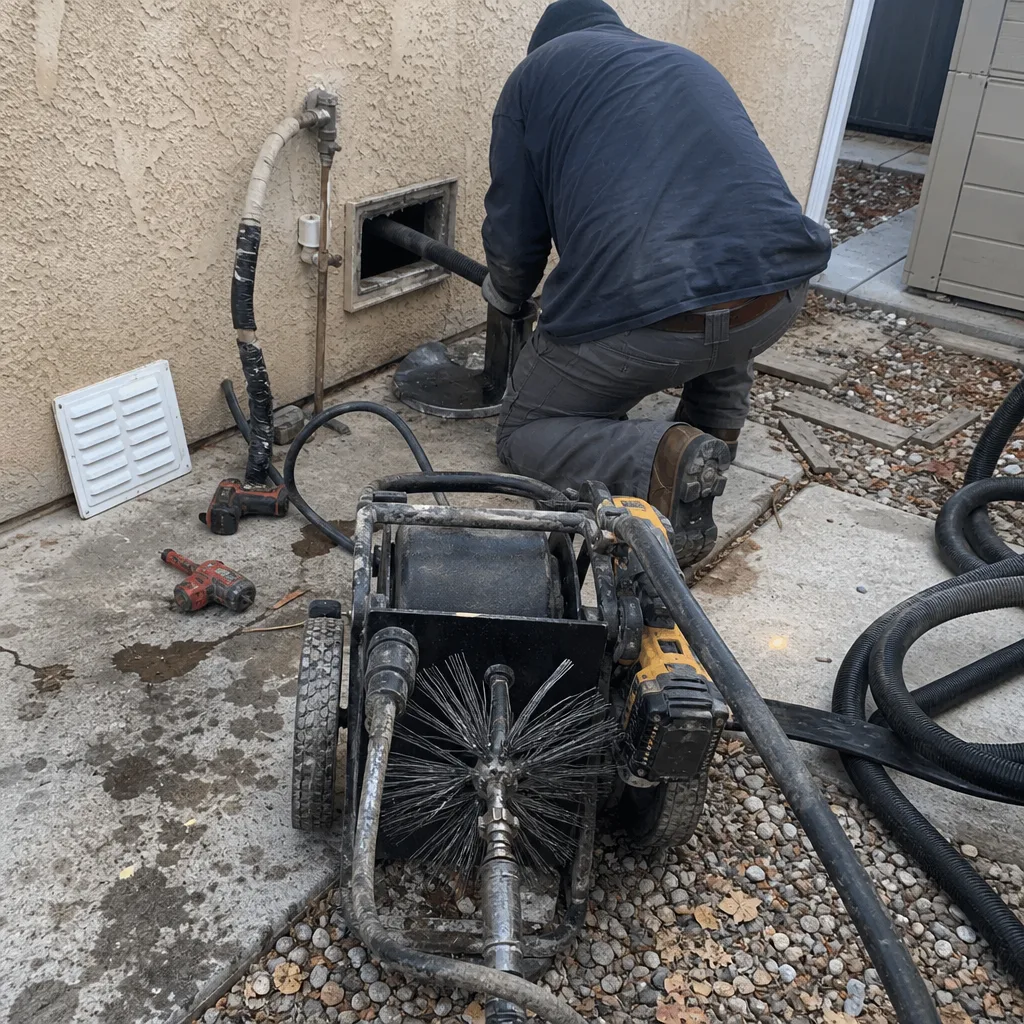 Before
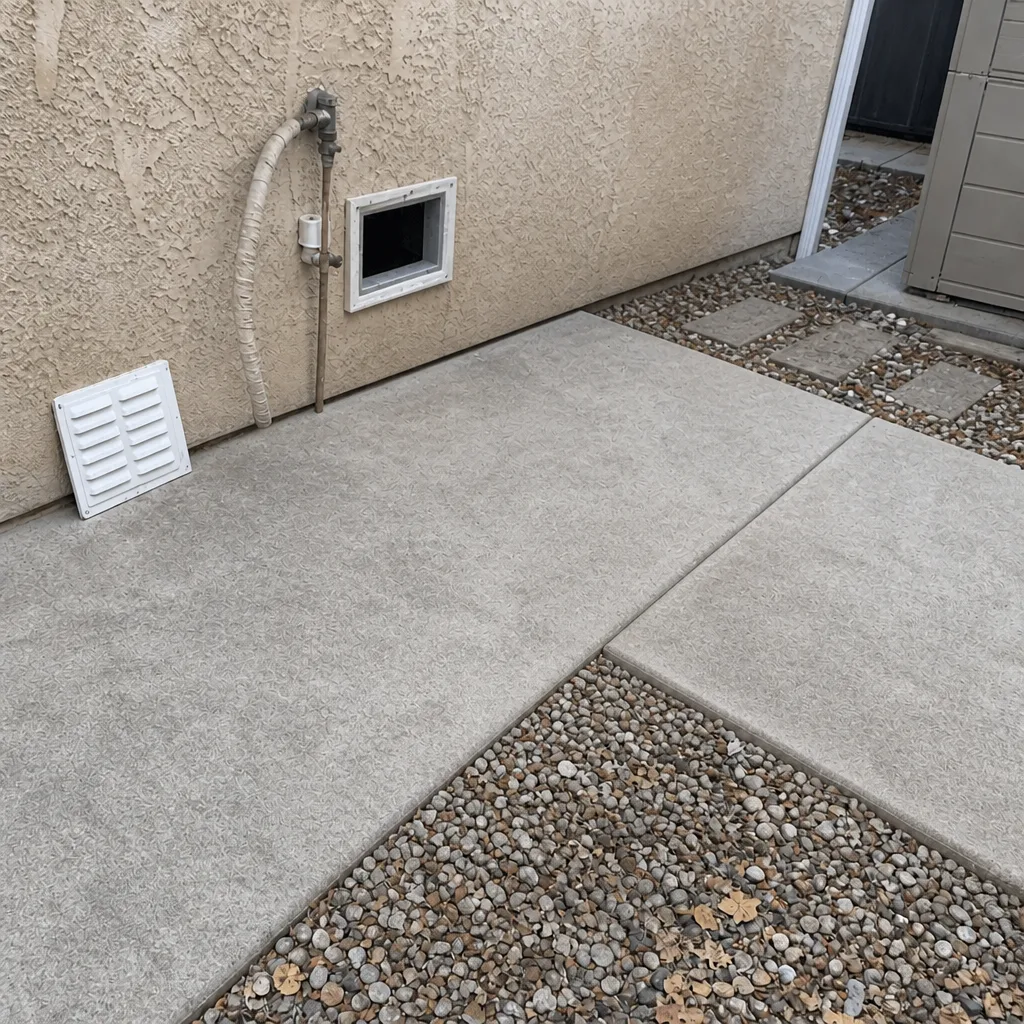 After
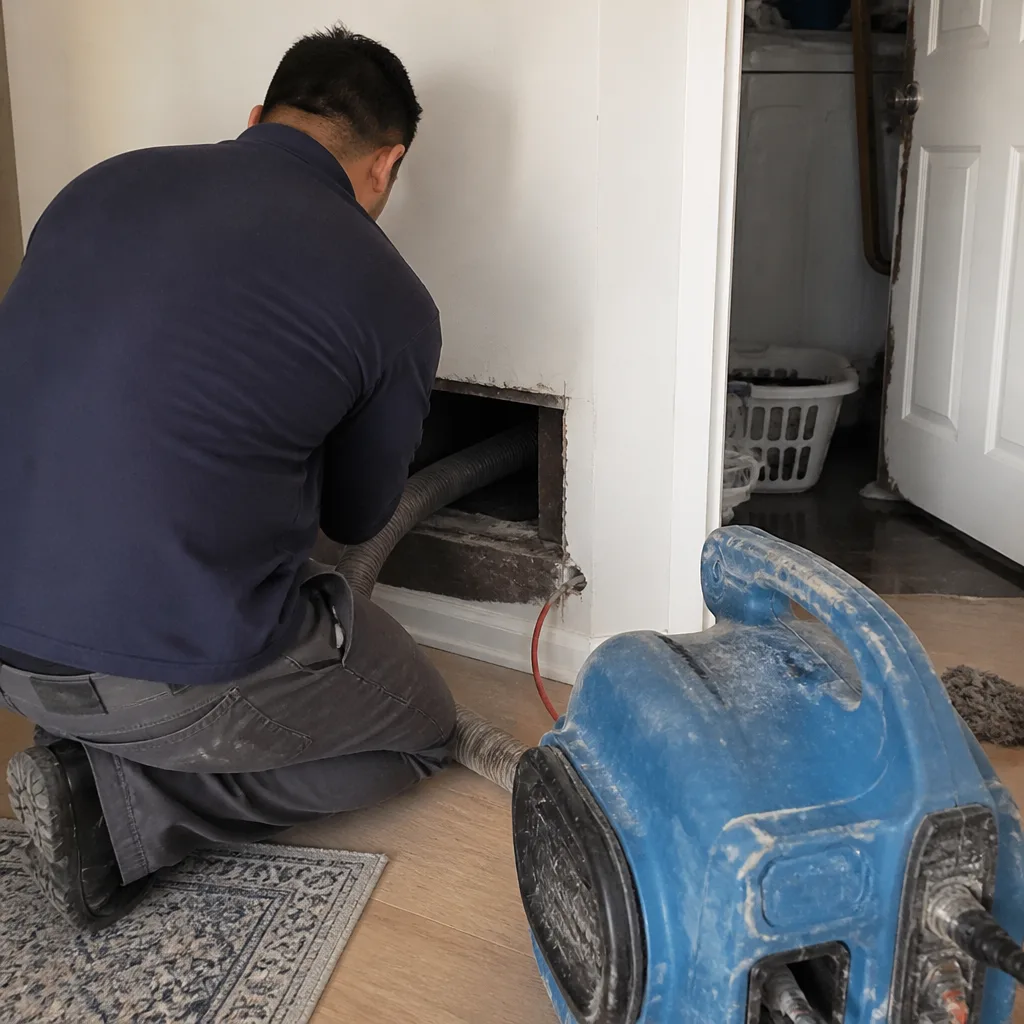 Before
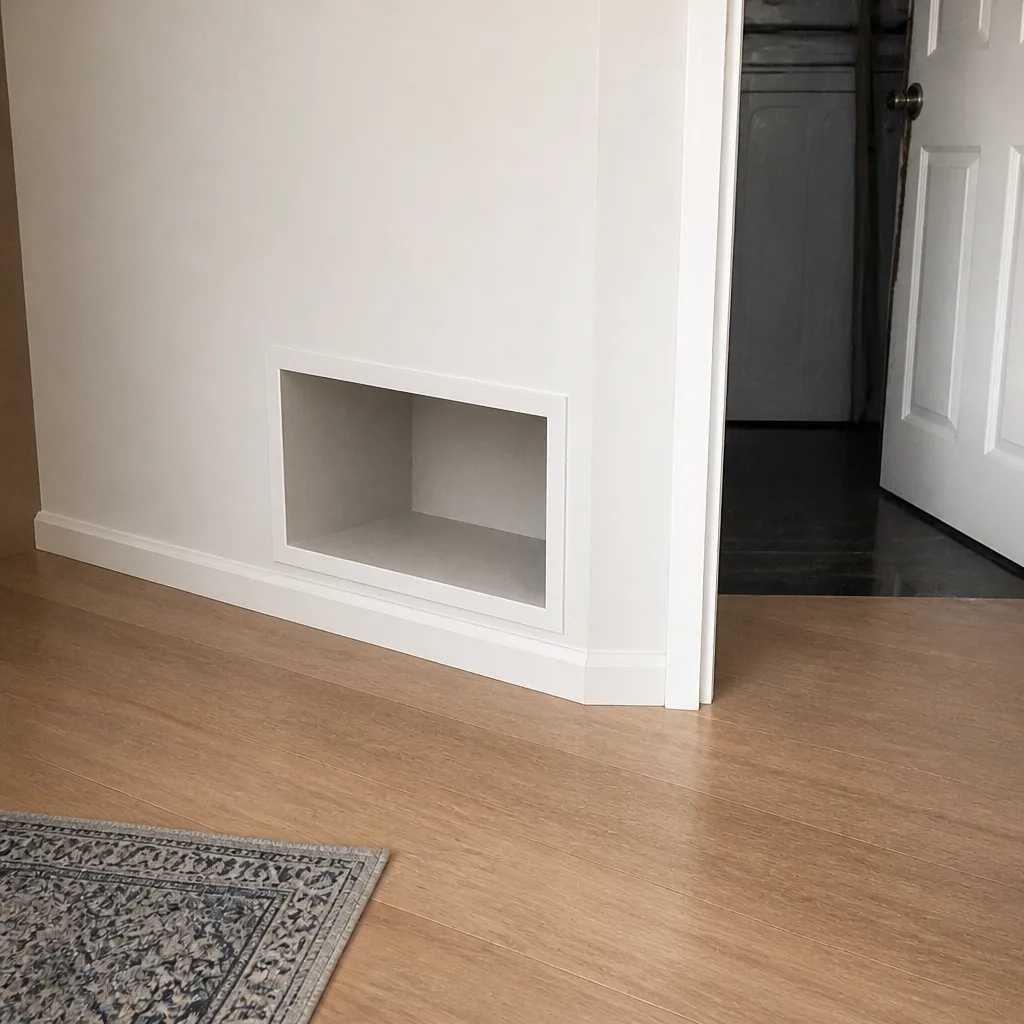 After
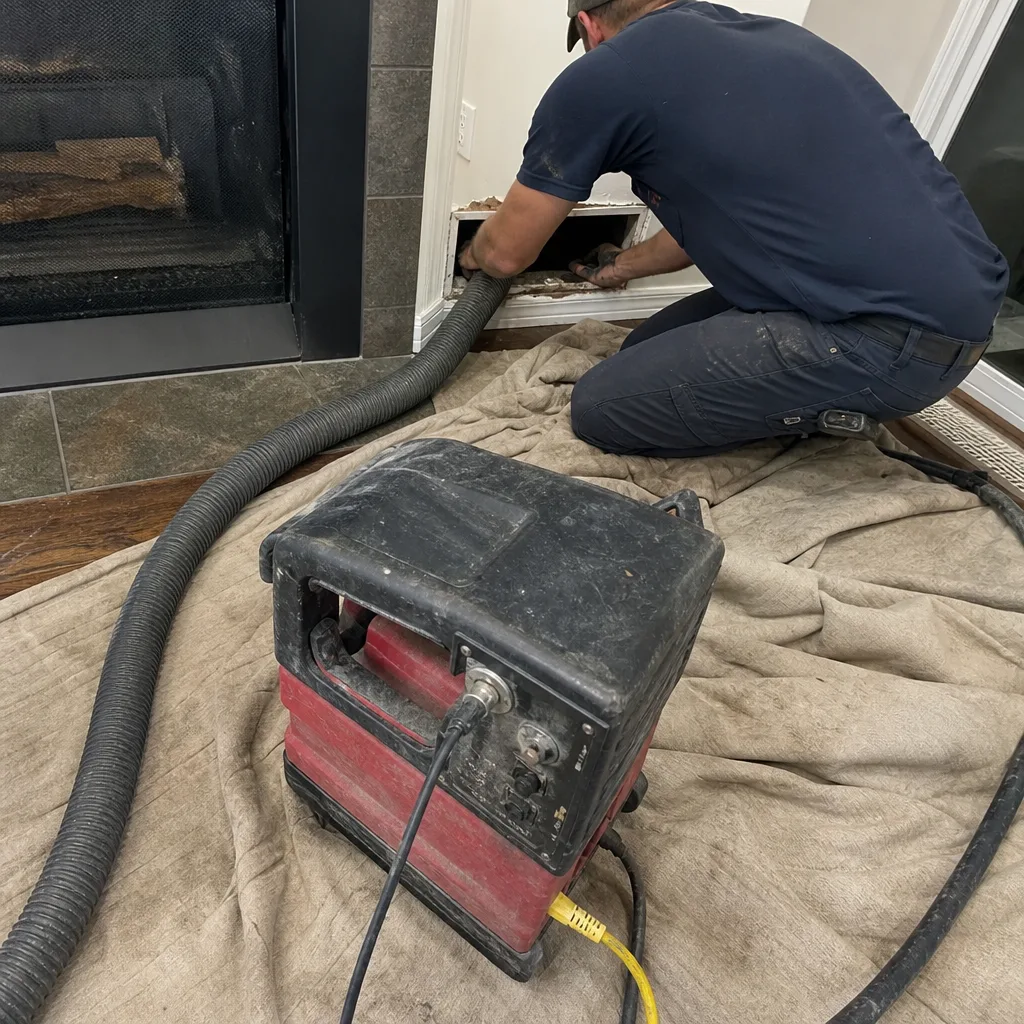 Before
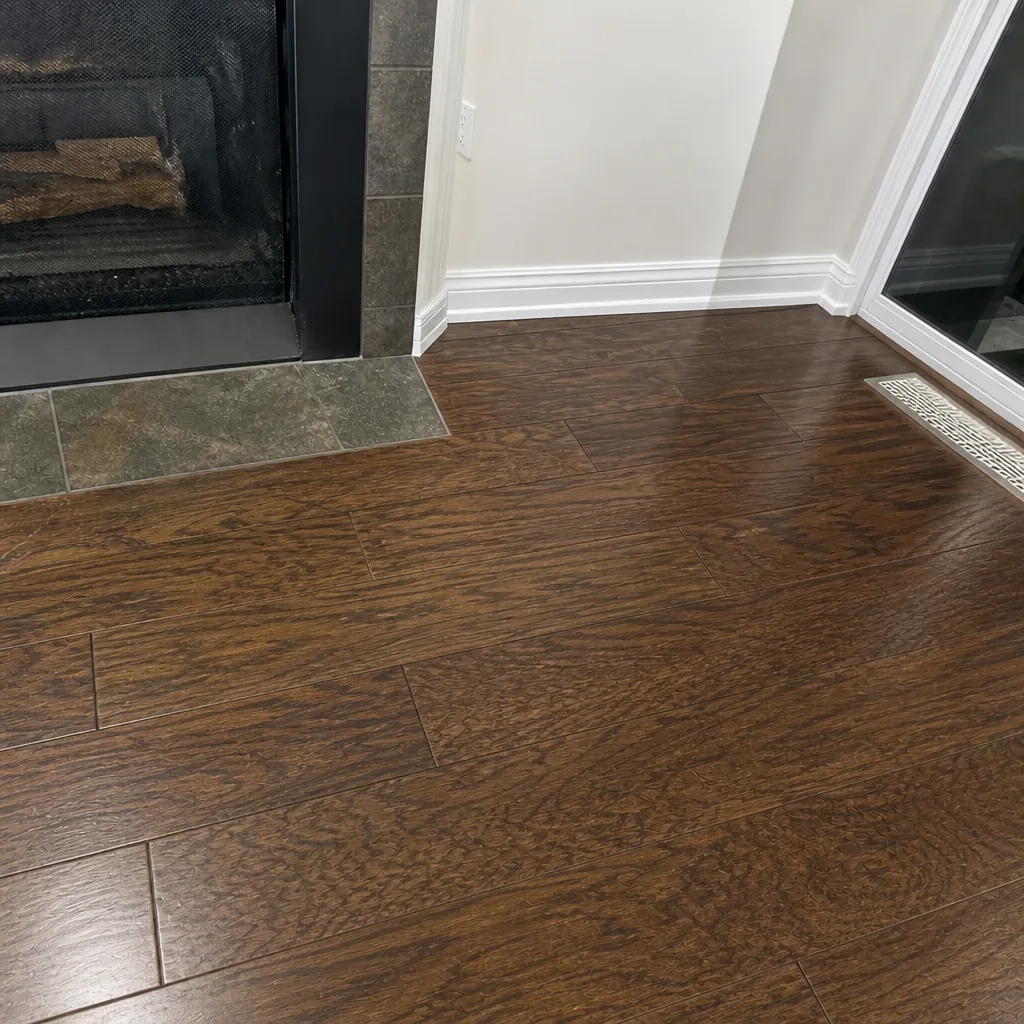 After
When to Call a Professional
Call a professional duct cleaner when any of the following is true in your Sparks home: you’ve lived there for several years and never had the ducts cleaned; you’ve completed a remodel that generated drywall dust or sawdust inside the home; you have pets and notice dust settling on surfaces faster than it used to; anyone in the household has ongoing allergy or respiratory symptoms that get worse indoors; you’re preparing a home for sale or a rental inspection and want documented air quality work; or your dryer is taking noticeably longer to dry clothes. During any HVAC appointment, if a technician finds contamination or damage, that’s a moment to schedule a full-system cleaning – not a vent wipe.
Duct Cleaning Sparks offers free estimates in Sparks – call (888) 561-9258. We answer 24/7, with fast dispatch from 7am to 7pm, Sunday through Friday. Our technicians have up to experience, and every estimate is written scope before any work begins.
Frequently Asked Questions
Whole-house duct cleaning in Sparks in 2026 typically runs $450-$900 for a small single-story home, $700-$1,300 for a large two-story, and $1,100-$1,800 for a multi-zone or multi-system home. Those are typical estimates for professionally executed work covering registers, main trunk and return system. The written estimate always sets the final price. Call (888) 561-9258 for an exact quote – estimates are free.
Cheap quotes are cheaper because they’re smaller jobs, not better-deal jobs. A $99 coupon typically buys a shop-vac setup, visible-vent brushing only, and no trunk or return cleaning – roughly half the scope of a full-system service. The price difference between a $99 quote and a $900 quote maps almost exactly to the equipment class and the scope of tasks performed. Ask any quote which of the six full-system tasks are included. Call (888) 561-9258 for a written scope on your Sparks home.
Before-and-after photos of your ducts, registers and air handler are the verification, and you should ask for them by name before the work starts. Anywhere that can’t produce them is selling you a service without documentation. We include before-and-after photos as part of every Sparks job. Call (888) 561-9258 to schedule a free estimate.
Most homes in Sparks are fine with duct cleaning every 3-5 years, with adjustments up or down based on pets, allergy households, recent remodels, and whether the home has ever had a cleaning at all. Homes with multiple pets or ongoing respiratory concerns often need it more frequently; a home with no pets, no remodeling and a well-maintained system can stretch longer. Call (888) 561-9258 to talk through what your home needs.
Yes – it’s the add-on with the clearest ROI. Dryer vent cleaning reduces a leading household fire risk and improves dryer performance at the same time, and the access and equipment are already set up when technicians are doing duct work. Most duct-only cleaners don’t offer it, so ask specifically. Call (888) 561-9258 to include it on your estimate.
Both, as separate services. Air Duct Repair is available as a standalone service, so if cleaning turns up a separated joint, a crushed flex run, or a disconnected branch, that problem can be fixed on the same visit rather than referred out. The pricing is set per job by the written estimate. Call (888) 561-9258 to book a free estimate in Sparks.
The Bottom Line
Duct cleaning pricing in Sparks in 2026 ranges from roughly $450 for a small single-story home to $1,800 for a multi-zone system, and the spread is not random – it tracks equipment capability and scope. A quote that wins on price but skips the main trunk, the return system, or post-job HEPA extraction is a partial job wearing a whole-house label. Compare quotes in cost-per-register units, confirm the six-step scope on paper, and ask for the equipment make and CFM. That math separates the honest quotes from the coupons. For a written scope priced to your actual register count, call (888) 561-9258. We answer 24/7 with fast dispatch from 7am to 7pm, Sunday through Friday.
Written by the team at Duct Cleaning Sparks.