
Last updated November 16, 2026
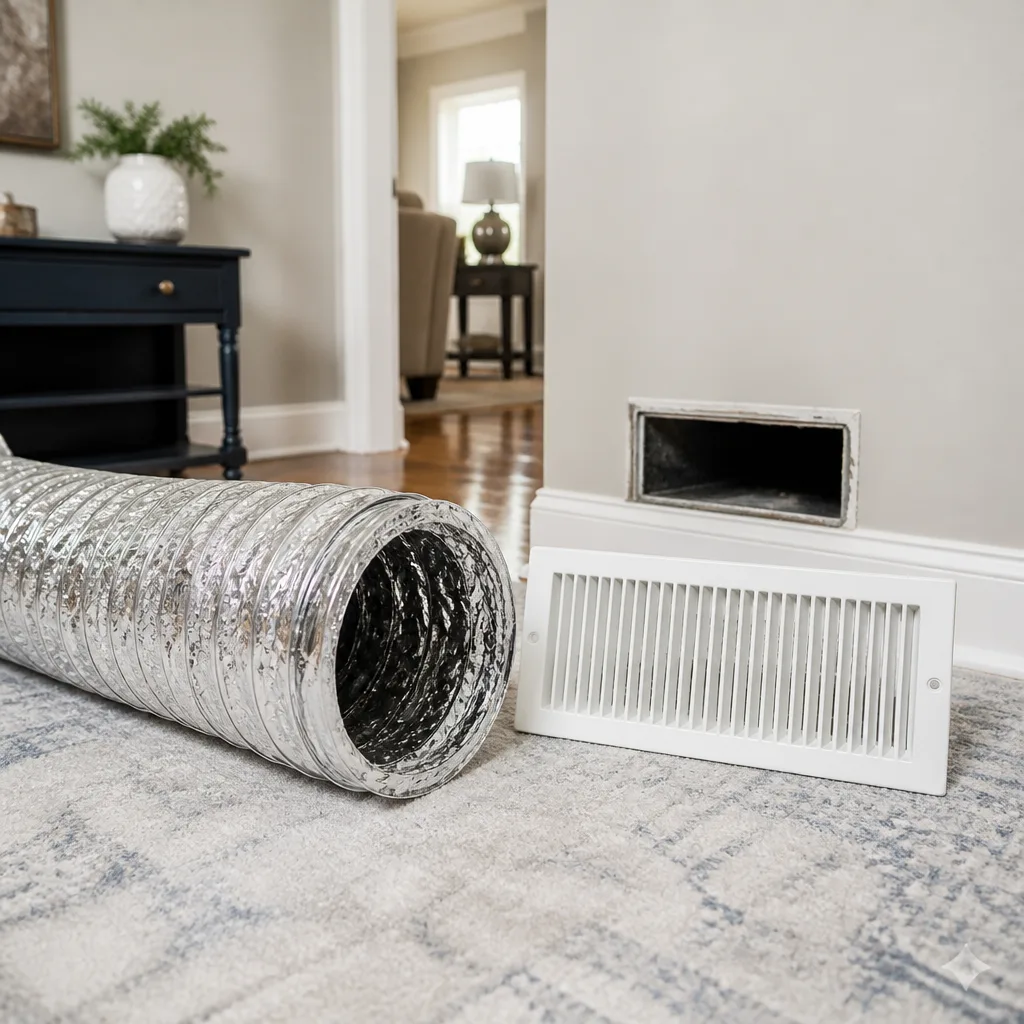 Whole-home duct cleaning
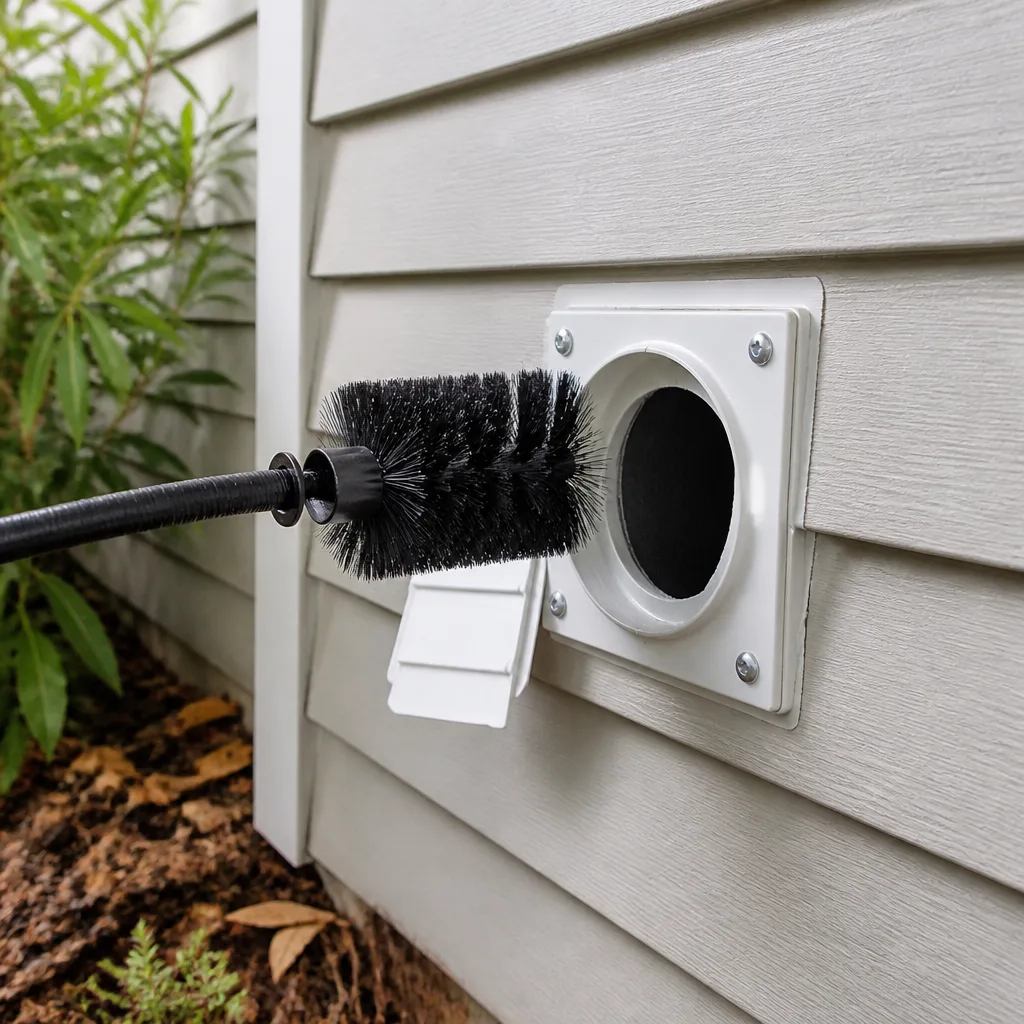 Dryer vent cleaning
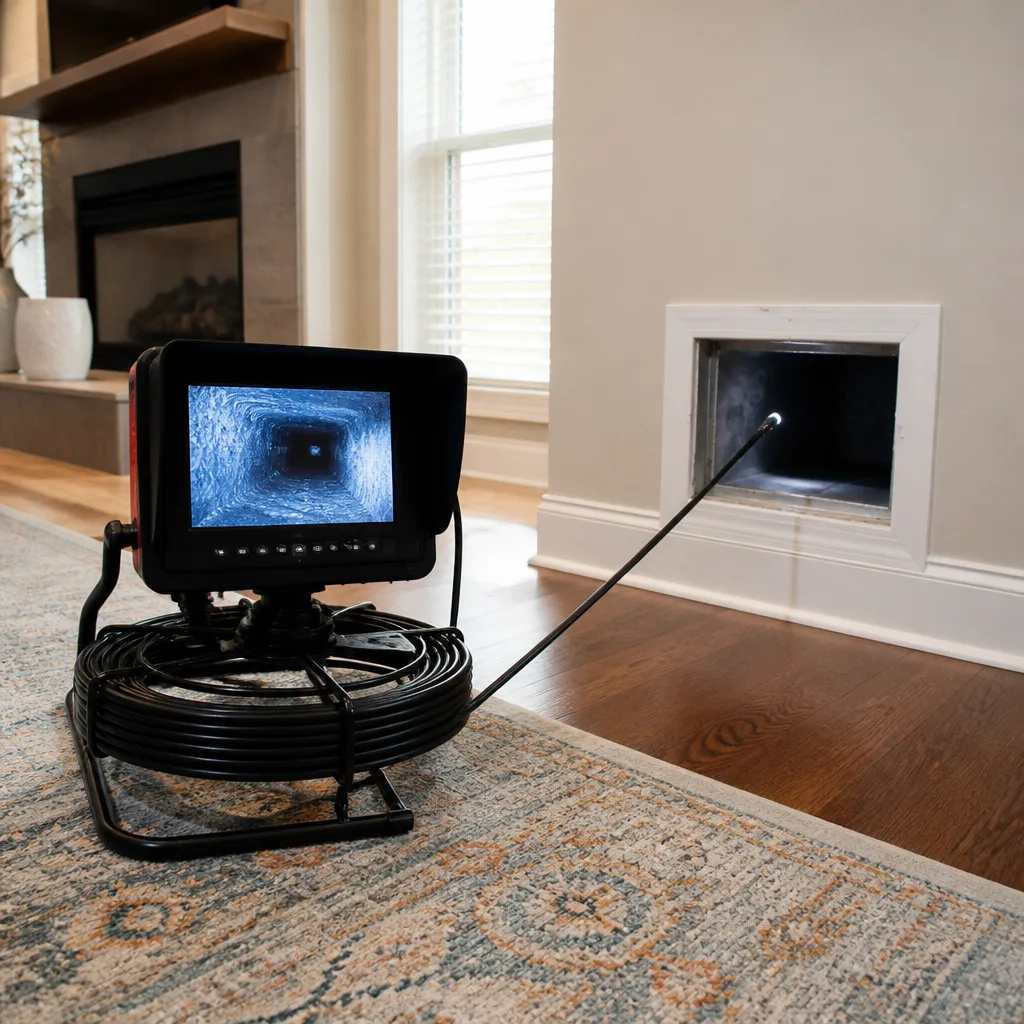 Camera inspection
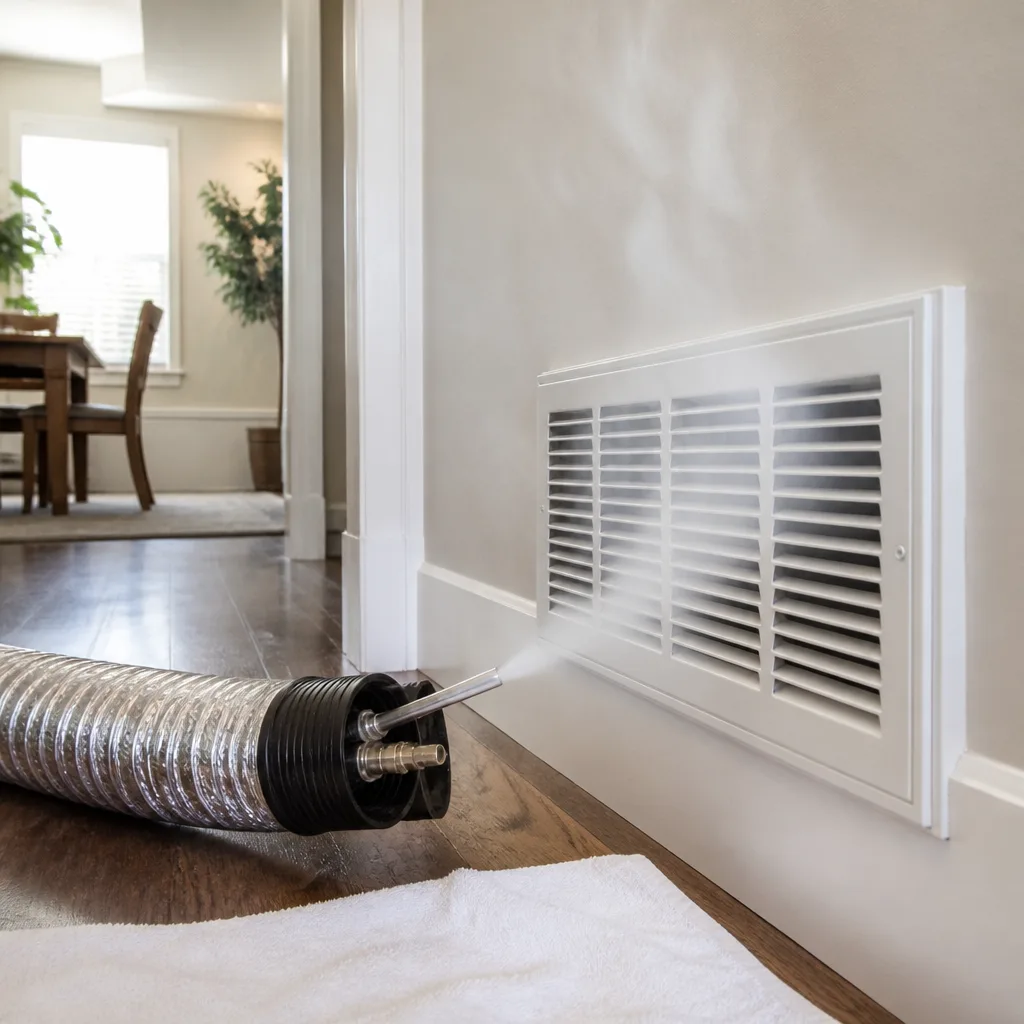 Sanitizing & deodorizing
Whole-system duct and dryer vent check with before-and-after photos - you see exactly what came out of your vents
That "$99 whole-house special" is a bait ad - the real number appears once they are in your hallway, or the "clean" is a shop-vac at the register. We photograph the inside of your ducts before and after instead.
Choosing the Right Air Duct Cleaning Brand: A Buyer’s Guide for Sparks
Any company can print “professional duct cleaning” on a mailer. There is no meaningful regulation controlling what a contractor is allowed to call a professional system, which means the phrase itself tells you nothing until you know what equipment sits behind it. A shop vac with a brush taped to the hose and a truck-mounted rotary machine both get described the same way on a flyer. The only objective signal you have is whether the contractor can name the specific equipment they run and explain why it fits your home. That’s what this guide teaches you. By the end you’ll know how to read equipment claims, verify them, and make a sound choice in Sparks.
Quick Answer
The right air duct cleaning company in Sparks is one that can name its specific equipment, match that equipment to your duct type and system size, and show you before-and-after documentation of your own ducts. Brand names like Rotobrush, Nikro, and Abatement Technologies are a shorthand for real investment in tooling; a contractor who operates professional-grade systems bought for residential duct work will always outperform a low bid built on consumer tools. Ask for the model, check the specs, and book the company that answers without hesitating.
Styles & brands we work with
- Whole-home duct cleaning
- Dryer vent cleaning
- Camera inspection
- Sanitizing & deodorizing
Table of Contents
- Why Brand Specificity Is the Only Objective Signal
- What Rotobrush Systems Do and Why They Matter for Flex Duct
- What Nikro Equipment Is Built For and What HEPA Ratings Mean
- What Abatement Technologies Units Address in Remediation Work
- How to Verify an Equipment Claim Before You Book
- Why Equipment Depth Beats Company Size and Years in Business
- The Questions That Separate Real Operators from Coupon Shops
- Sparks-Specific Considerations for Duct Cleaning
Why Brand Specificity Is the Only Objective Signal
The air duct cleaning trade has no single licensing standard for equipment. A residential duct cleaning contractor in Sparks can legally load a consumer wet/dry vacuum, a set of flexible rods, and a compressed-air whips system into a pickup and describe the setup as “professional-grade.” They are not breaking the law. They are, however, telling you what level of tooling they actually bought into.
Equipment brand names are diagnostic shorthand. A contractor who says “we run Rotobrush” or “we use Nikro HEPA vacuums” has made a capital decision. They’ve purchased machinery designed for duct interiors, with controlled pressure, containment, and recovery. A contractor who can’t name anything specific has usually built a business on the cheapest tools that produce a visible disturbance in the ducts and a stack of coupons in the mailbox.
Here’s what brand specificity actually tells you, in plain terms:
- They invested in recurring-use tooling. Professional systems cost thousands of dollars. That investment only makes sense if duct cleaning is the business, not a seasonal add-on.
- They understand their own tooling. A technician who knows which model he’s running knows what it does well and where it falls short.
- They can match equipment to job type. Residential flex duct and rigid metal trunk lines need different approaches. A brand-specific answer shows the contractor has that map in their head.
- They stand behind the work. When equipment is identifiable, documentation is possible. Before-and-after photos of your own ducts carry weight only if the work was done with tools that visibly change the outcome.
That’s the entire premise of this guide. You will learn how to evaluate equipment brands, ask for the right proof, and separate genuine practitioners from operators who talk a good game. Every recommendation here applies to Sparks the same way it applies anywhere else, because the equipment question doesn’t change by zip code.
What Rotobrush Systems Do and Why They Matter for Flex Duct
Rotobrush builds duct cleaning systems around a single integrated design: a rotary brush head attached to a vacuum hose. The brush agitates, the vacuum extracts, and both happen at the same time at the same point in the duct. That simultaneous design is the reason the tool holds up in residential work.
Standard rotary whip systems send a spinning cable down the duct and reverse the direction of the flex at high speed, which can tear seams and dislodge duct liner in older flex runs. A Rotobrush-style integrated brush-and-vacuum approach is gentler on the duct wall while still physically contacting the interior surface. The brush loosens debris from the ridges of flex duct, and the vacuum pulls that debris out of the airstream immediately rather than letting it settle back into the system.
Why this matters in a residential setting:
- Flex duct has ridges. Debris catches on the internal corrugation. A spinning air or vacuum-only tool passes over it; a contact brush dislodges it.
- Flex duct is fragile. Aggressive tooling shortens its lifespan. The integrated design lets the technician apply controlled pressure rather than brute force.
- Most Sparks homes use flex runs. Standard residential construction in the area favors flex duct for branch lines, so the equipment has to be tuned for that material.
- Simultaneous extraction reduces cross-contamination. Debris pulled free of the duct wall leaves the system on the same stroke, not fifteen minutes later when the vacuum is finally connected.
When a company says they use Rotobrush equipment on every air duct cleaning job, they are telling you they’ve committed to a specific tool that works well on the duct material most homes in Sparks actually have. That’s a concrete claim you can verify. Compare that to “we use the latest technology,” which is a sentence that communicates nothing.
What Nikro Equipment Is Built For and What HEPA Ratings Mean
Nikro Industries builds portable negative air machines and high-CFM vacuum systems aimed at containment-level extraction. The core design goal is moving a large volume of air while holding what’s picked up inside a filtration system that doesn’t release fine particulate back into the home. That’s a different job than what a consumer vacuum is built for.
Two specifications matter on this equipment. CFM (cubic feet per minute) tells you how much air the machine moves. HEPA rating tells you how fine a particle the exhaust filter will hold. A Nikro HEPA-rated unit extracts high-CFM air through a filter that captures particles at the sub-micron level, which is where mold spores and fine dust live. Consumer-grade shop-vac setups move less air and typically exhaust through a cheap pleated filter that lets fine particulate slip straight back into the room.
What to check when a contractor names Nikro or a comparable brand:
- Ask for the model number. Nikro sells a range of units from small portables to trailer-mounted systems. The model tells you which one they’re running.
- Look up the CFM rating. A residential duct system typically needs an extractor sized to hold negative pressure at the regis; a machine that’s undersized for the job leaves debris circulating.
- Confirm the filter class. HEPA is the standard for containment work. If a unit isn’t HEPA-rated, ask what the exhaust filter actually captures.
- Ask how many units they bring. Larger homes and commercial spaces may need more than one extractor running at the same time, connected to different trunk segments.
In our experience, this is where low-bid quotes fall apart fastest. A coupon price that starts at a fraction of a normal estimate is almost never funded by a Nikro HEPA extractor. It’s funded by a handheld vacuum and a technician moving quickly. When you ask what machine they use, the answer tells you which of those two jobs you’re actually buying.
Larger homes with extensive rigid metal trunk lines and multiple branch runs benefit from the CFM headroom a professional negative air machine provides. On a Sparks property with commercial or mixed-use duct systems, the difference between a residential vacuum and a properly rated portable extractor can be the difference between a real clean and a surface wipe.
What Abatement Technologies Units Address in Remediation Work
Abatement Technologies builds air filtration and negative air pressure equipment used in professional remediation work. That is not the same category as a duct cleaning vacuum. These machines are designed to establish negative pressure in a contaminated zone, filter the air at the remediation standard, and hold that pressure gradient while work proceeds. A duct cleaner who stocks Abatement Technologies equipment is telling you they can handle a job that is more than routine cleaning.
Two scenarios push a duct cleaning job into remediation territory:
- Post-fire or smoke contamination. Smoke residue is acidic and sticky. It settles inside duct walls and needs more than a mechanical brush pass to remove.
- Mold or biological growth in the system. When visible growth is present in a duct or on the air handler interior, the cleaning process needs to happen under containment so spores don’t migrate through the home.
Abatement Technologies negative air units allow a contractor to isolate the work zone, draw air through HEPA filtration, and maintain a pressure differential that keeps contaminants moving from the clean side toward the filtered side. Without that, a remediation-grade cleaning job can become a spread event: the tooling disturbs the growth, and the spores travel through the home on the airstream.
For most routine cleaning in Sparks, a Rotobrush system and a Nikro HEPA extractor are the whole story. But if a pre-inspection turns up mold, heavy biologic growth, or smoke residue from a past fire event, the right operator needs to escalate. A company that carries Abatement Technologies equipment can do that without sending the job to a third party. That’s a meaningful difference when the homeowner wants a closed loop of accountability rather than a handoff.
When the cleaning team finds a compromised run, a crushed flex section, or a disconnected joint, the option to schedule a repair in the same visit closes the loop. Duct Cleaning Sparks offers air duct cleaning with the repair option built into the same job, which means a problem identified during cleaning doesn’t become a separate call-out waiting to happen.
How to Verify an Equipment Claim Before You Book
Verification is a phone call of about five minutes. The company either has the information or it doesn’t. What follows is the sequence to follow, and the red flags that show up at each step.
- Ask what equipment they bring. The specific brand and model. “Rotobrush” or “Nikro” plus a model identifier is what you want to hear. If the answer is only “professional-grade” or “the newest equipment,” you’ve hit your first red flag.
- Ask for the CFM rating on the extraction unit. The technician should be able to give you a number off the top of their head. If they have to look it up, fine, but a professional operator is going to know what their main extractor moves per minute.
- Ask whether the vacuum is HEPA-rated. Nikro HEPA units pass through sub-micron filtration on the exhaust. A shop-vac setup does not. The answer to this question tells you whether the debris is contained or recirculated.
- Ask how they handle a home with multiple HVAC zones. A single extractor working one zone at a time is standard; a company that can explain how they sequence zones without cross-contaminating has thought about this before.
- Look up the model number yourself. Rotobrush, Nikro, and Abatement Technologies all publish their equipment specs online. Two minutes of searching will confirm whether the machine they named actually does the job they’re describing.
- Ask for before-and-after documentation. Photos of your own ducts, taken before cleaning and again after. This isn’t standard practice across the industry, but it’s the standard a professional-grade contractor can meet without effort.
Every one of these questions is answerable in a single call. An operator with professional equipment handles them easily because the answers are already in their head. An operator without professional equipment gives you a confident but vague response, then pivots to the price. Watch for the pivot. It’s the tell.
Why Equipment Depth Beats Company Size and Years in Business
A common assumption is that a bigger company with more advertising dollars does better work. A large franchise with thousands of technicians nationwide can still equip each one with a residential-grade vacuum and a coupon stack, because the business model is volume. A smaller local operator running a Rotobrush system and a Nikro HEPA extractor will deliver a cleaner duct system on the same property, every time, because the equipment makes that possible.
The years-in-business question has the same weakness. Longevity doesn’t tell you what tooling a contractor bought. A ten-year-old duct cleaning business can still be running shop-vacs, and a three-year-old operation can have invested in the equipment that gets the job done. When you evaluate a contractor for a Sparks job, ask about equipment. Ask about process. Ask for before-and-after photos. Ask what happens if a duct is found damaged during the clean. Those questions separate operators far better than a glossy home-service brochure does.
Where company size does matter is scale. A very small operator may not be able to bring multiple negative air units to a large property or handle a heavily contaminated system without support. And a very large franchise may be able to show up with a full fleet but still send out technicians with a one-size-fits-all toolkit. The right question is narrower: what machine is coming into my home, and is it sized to my system?
That’s why equipment is the diagnostic question. A company that can answer it clearly has thought about tooling as a differentiator. A company that can’t has usually been thinking about coupon placement instead.
The Questions That Separate Real Operators from Coupon Shops
Here is the short list we suggest running through before you book any duct cleaning company. None of these require prior technical knowledge; they just require the contractor to answer.
- “What equipment are you bringing?” A brand name, then a model. Anything less is marketing.
- “Is your vacuum HEPA-rated?” If the answer is yes, ask the filter spec. If it’s “yes” with no spec, follow up. HEPA is a technical classification, not a marketing word.
- “Do you take before-and-after photos?” Professional-grade equipment produces a visible change. A company invested in that equipment will document it as proof.
- “What’s the flat price for my system size?” Not a per-vent price, not a coupon price. A whole-system price agreed before the work starts.
- “Can you repair a duct if you find damage during the cleaning?” Because duct runs do get damaged, and a company that offers repair as a standalone service can handle it without a referral or a second contractor.
- “Do you clean dryer vents too?” Dryer vents are one of the leading household fire risks, and many duct-only cleaners quietly skip them. Ask directly so the answer isn’t a surprise.
If a company answers all six without hesitation, you’ve found a serious operator. If they answer the first two and then get vague, you know which side of the line you’re dealing with. The flat-price question is the single biggest filter. It’s the difference between a company that has a real cleaning operation and a company that profits on upsells after the initial coupon price.
Sparks-Specific Considerations for Duct Cleaning
Sparks sits in a high desert valley with a seasonal dust profile. Wind events carry fine particulate from surrounding terrain, and homes in the area generally pull a measurable volume of that dust into the return air system over the heating season. What looks like “clogged ducts” on a typical Sparks property is often a layer of fine, drought-powder dust coating the flex run interior, thin but widespread. Contact tooling handles it well; a vacuum-only pass tends to break up the layer and let it recirculate.
Housing stock around Sparks is mixed. Much of the residential construction from the last three decades uses flex duct branch lines off a rigid metal trunk. Older homes in the downtown core and surrounding neighborhoods might have original rigid metal ductwork with more seam work and joints. Each layout changes which approach is right, which is why the equipment-to-duct match matters more than a generic checklist.
The heating season matters here as well. A duct system that runs six to eight months of the year moves a lot of air through a small footprint of space. Particulate accumulates faster inside the system when it’s in constant use. The right professional will evaluate your system rather than quote from a template, and that evaluation is where the before-and-after photos earn their keep.
When a homeowner is preparing to sell a Sparks property, documented duct cleaning with before-and-after photos gives the buyer something to inspect. That documentation is worth more in a real estate transaction than a receipt with a dollar figure on it. Same story for property managers handling a rental turnover or inspection: a documented clean is a file item, a coupon receipt is not.
If the inspection turns up damage to a flex run, a crushed section, or a disconnected joint, Duct Cleaning Sparks offers dryer vent cleaning and duct repair alongside standard cleaning work, so the full pass can happen in a coordinated sequence rather than in scattered visits. And for anyone starting from square one on the service side, the main Duct Cleaning Sparks page lays out the three core offerings in one place.
Common Mistakes to Avoid
- Booking on price alone. The advertised number is almost never the final invoice. Ask for the whole-system price in writing before anyone arrives.
- Accepting “professional” as an answer. Brand names, model numbers, and specs. If the company won’t give them, they don’t have them.
- Skipping the dryer vent. Many duct cleaners quietly leave dryer vents off the scope to keep their quote low. The vent is a real fire risk and belongs in the conversation from the start.
- Not asking about repair capability. A cleaning crew that can’t fix a found problem has to refer you out. That’s a second company, a second schedule, and a second invoice. Ask in the booking call.
- Overlooking HEPA filtration. A vacuum without proper filtration pulls debris out of the ducts and blows it straight back into the room. It’s a net loss. Ask what the exhaust filter captures.
- Assuming a big-brand name means professional tooling. National franchises are volume businesses. The equipment question is the one that matters, not the logo.
- Forgetting before-and-after photos. Without documentation, you have no record of what was cleaned or how. Documentation is standard for any contractor running professional-grade equipment and it should be standard for your booking decision too.
See the difference
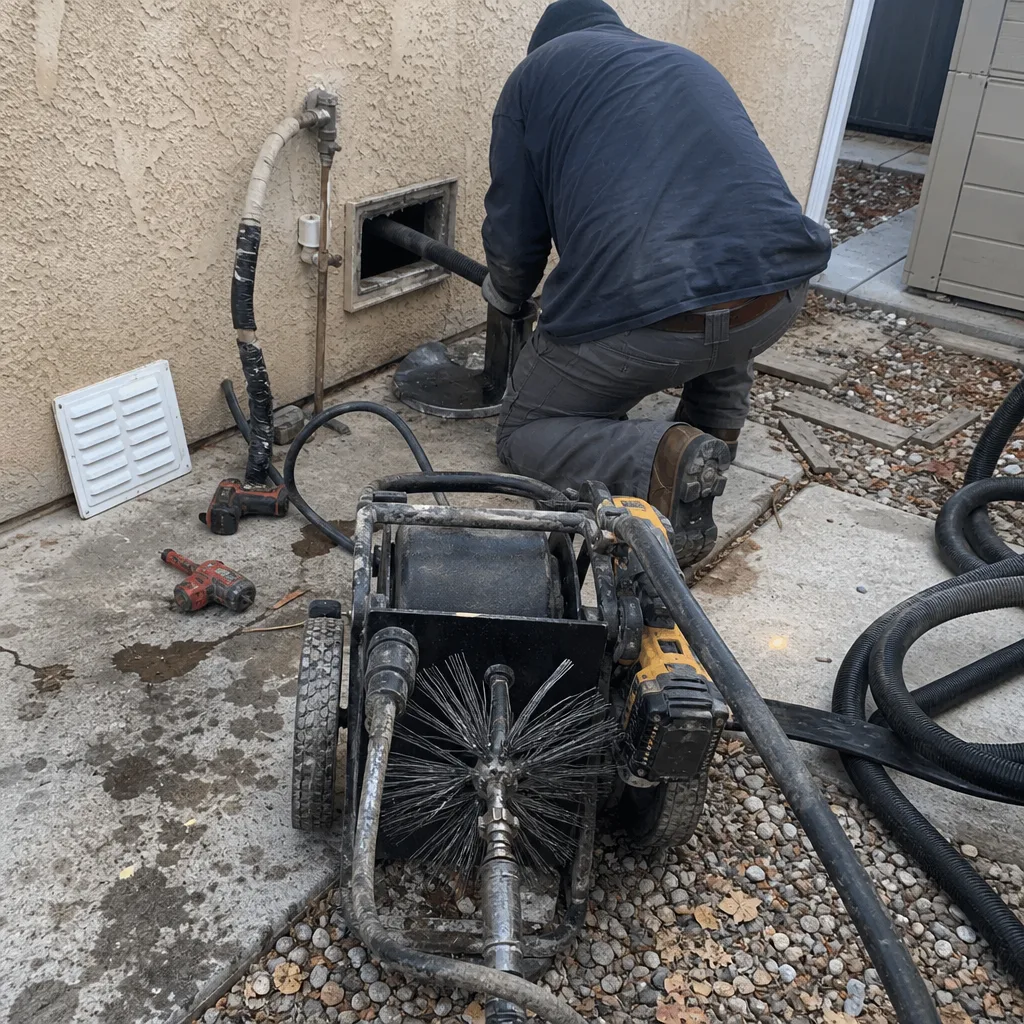 Before
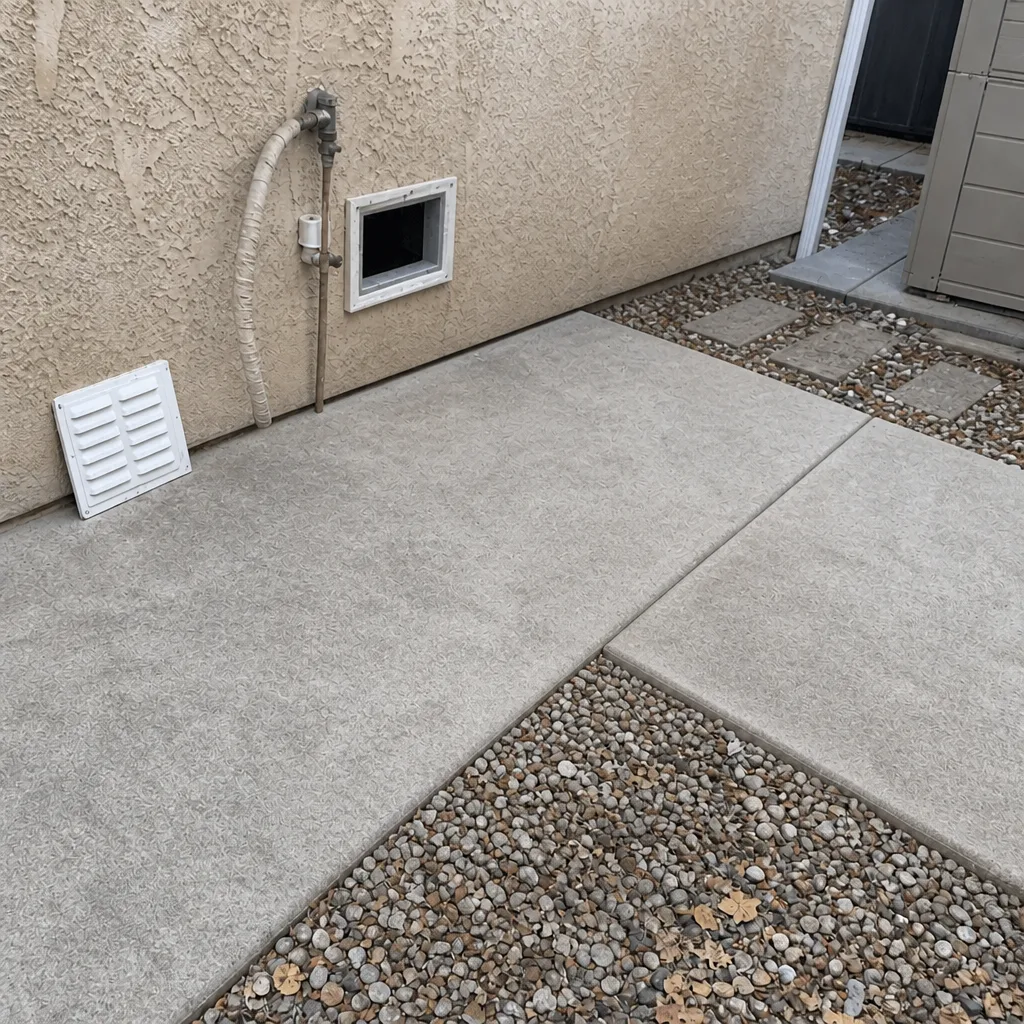 After
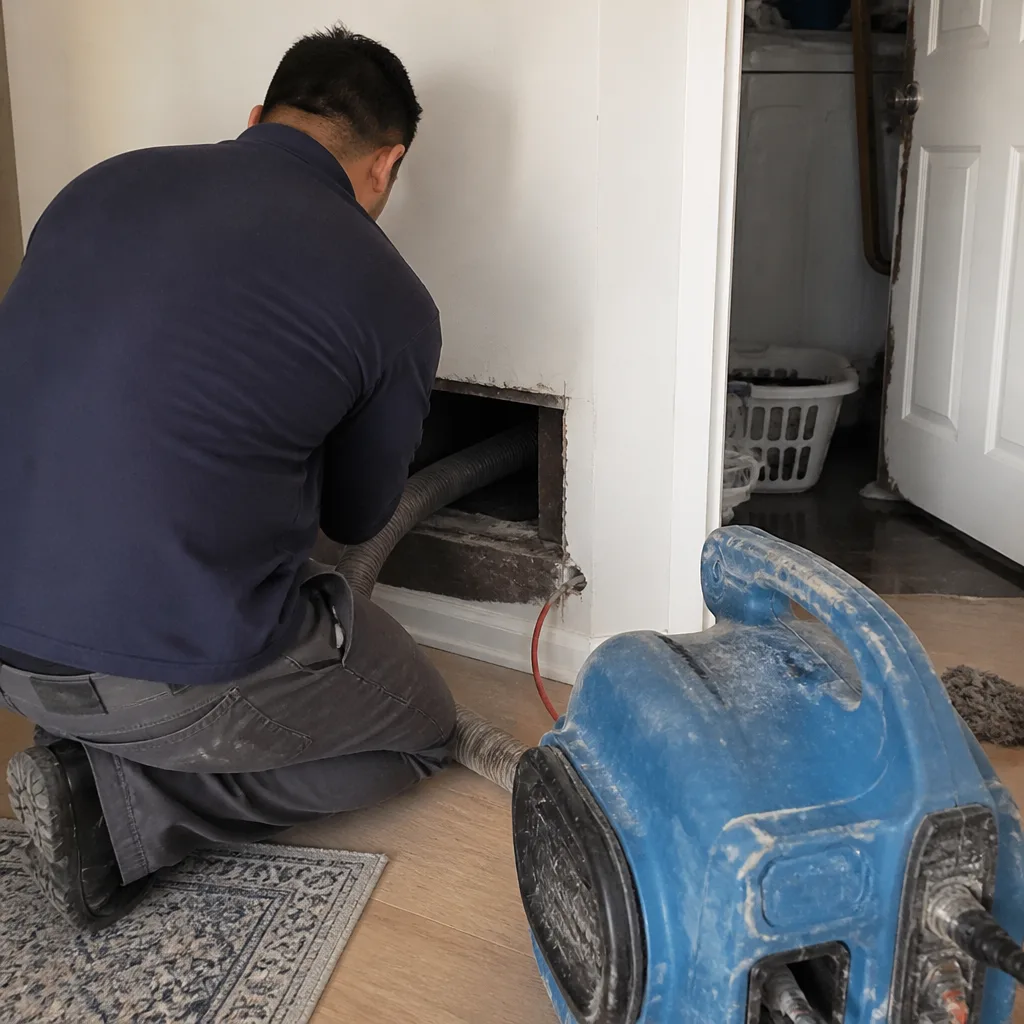 Before
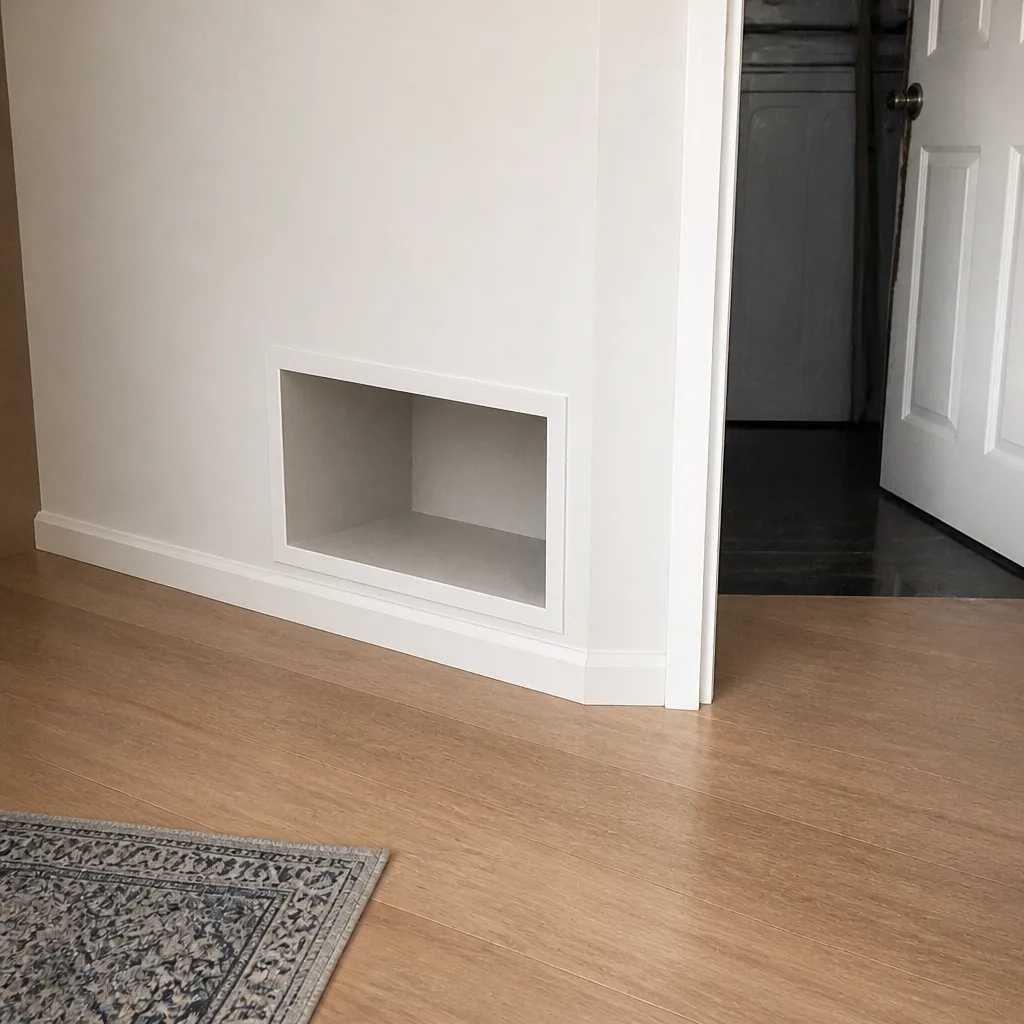 After
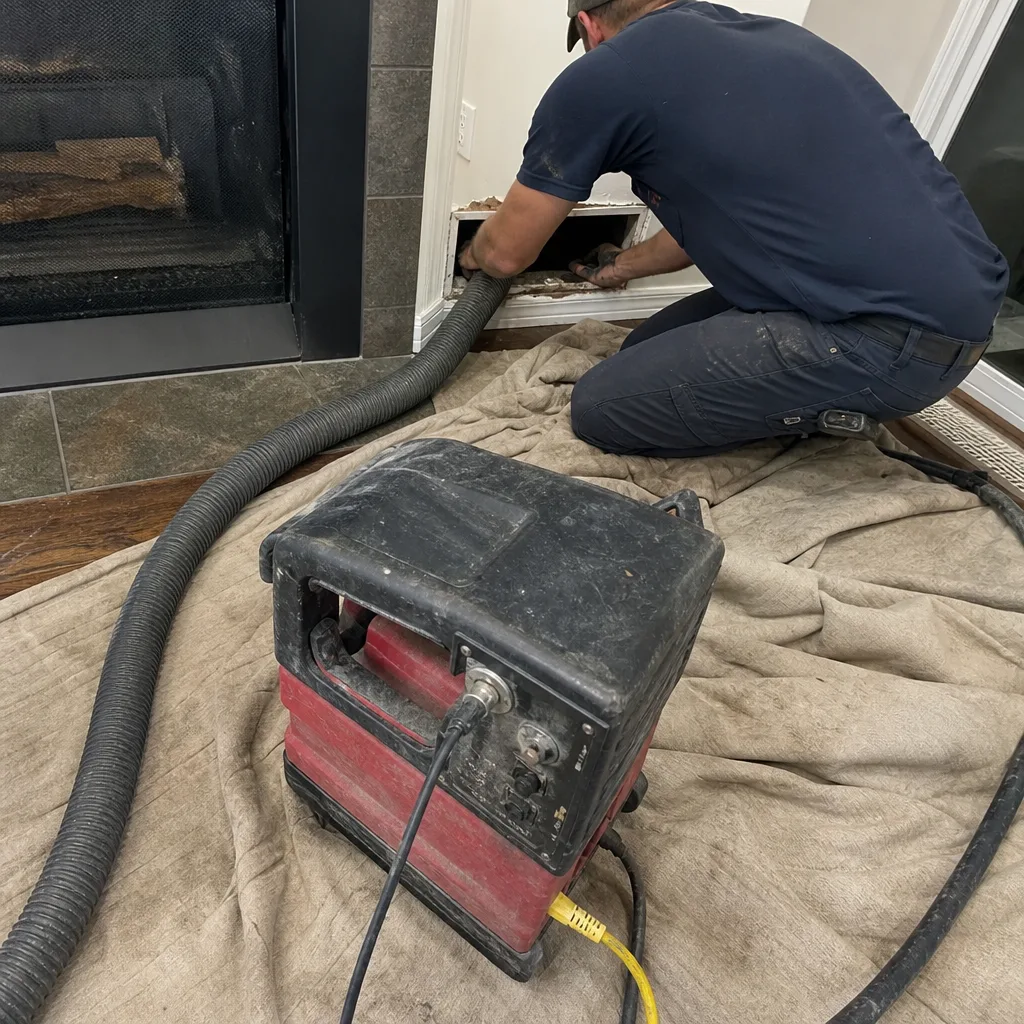 Before
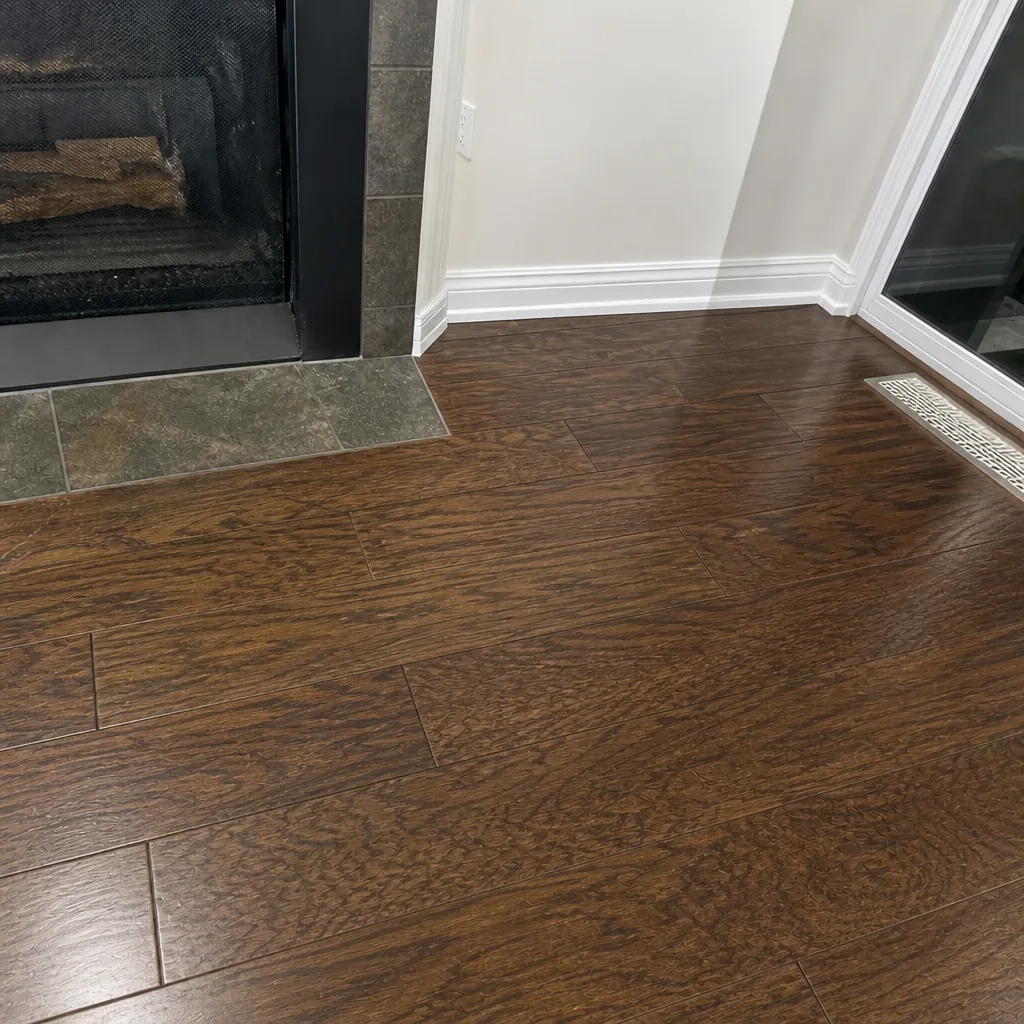 After
When to Call a Professional
Call a professional duct cleaning company in Sparks when you notice any of the following: visible dust buildup at the supply registers, a recurring musty smell when the system kicks on, increased allergy symptoms that track with the heating season, or evidence of pest activity in the duct runs. Dryer vent cleaning deserves its own separate call whenever a lint screen won’t catch anything but the vent itself is slow to dry a load of laundry; that’s a real fire risk and it doesn’t clean itself.
Also call when a home is being prepared for sale or a rental turnover, because a documented clean is a file item for the buyer or inspector. And call whenever a past cleaning left you unsure what actually happened, which happens more often than people think after a coupon-price visit. Duct Cleaning Sparks offers free estimates in Sparks. Call (888) 561-9258. We answer 24/7. Fast dispatch from 7am to 7pm, Sunday through Friday.
Frequently Asked Questions
Ask them to name the specific brand and model number of their main extractor and vacuum. Rotobrush and Nikro are two brands that build purpose-built duct cleaning equipment. If a company can name their system, they bought it. If they can’t, they’re almost certainly running consumer-grade tools. Ask for CFM ratings and HEPA specs too. A professional operation answers those questions without hesitation. Call (888) 561-9258 and we’ll walk you through exactly what we run.
Pricing depends on system size and duct layout, and the written estimate sets the final price. What matters more than the headline number is what that price covers: whole-system cleaning, not per-vent charges, and before-and-after photos of your own ducts. Ask any company to quote the whole job before they arrive. A coupon price that isn’t a whole-system price is not comparable. Call (888) 561-9258 for a free estimate on your specific system.
Cheap quotes almost always reflect a different equipment class. A coupon-price company is not running a Nikro HEPA extractor at that price; they’re using consumer-grade vacuum setups that move less air and filter less of what they pick up. The low number is a starting point, not the final invoice. Ask what machine will be in your home and what the whole-system price is in writing. That one question separates the two categories faster than any review comparison.
For most Sparks homes, every three to five years is a reasonable starting point, but the right interval depends on how hard the system runs, whether the home has pets, and whether recent remodeling activity pushed dust into the return. High-desert dust loads in Sparks build faster than they would in a humid climate. If you notice visible buildup at the registers or a change in smell when the heat kicks on, that’s the signal to book an inspection, not to wait for the calendar.
Before-and-after photos of your own ducts. That’s the standard. A professional-grade cleaning produces a visible difference inside the duct surface, and a contractor with real equipment can document it without effort. Skip any company that treats photographic proof as an unusual request. The photo set doubles as a file item for a home sale or rental inspection, which is another reason to insist on it up front.
Yes, when repair is part of the same service scope. Crushed flex, disconnected joints, and torn duct liner all show up in the middle of a cleaning job, and a company that offers air duct repair as a standalone service can schedule the fix without a referral to a second contractor. Ask about the repair option when you book so there’s no surprise if something turns up mid-job. We also offer Honeywell and Aprilaire indoor air quality system familiarity for homeowners who want to pair a clean with a filter upgrade.
The Bottom Line
The air duct cleaning industry has no meaningful regulation on what a company calls a professional system, which makes brand specificity the buyer’s best filter. A contractor who names their equipment has invested in purpose-built machines and knows how to match them to your duct type and system size. A contractor who won’t is telling you they’re running something cheaper. Bring that one question to any quote you collect in Sparks: what equipment are you bringing into my home? The answer will sort the real operators from the coupon shops in under five minutes. That’s the entire buyer’s guide compressed into a single line of inquiry.
If you’d like to put the question to us, call (888) 561-9258 for a free estimate. We answer 24/7. Fast dispatch from 7am to 7pm, Sunday through Friday. We’ll tell you the equipment, the process, and a flat price per system agreed before any work begins.
Written by the team at Duct Cleaning Sparks.