
Last updated November 16, 2026
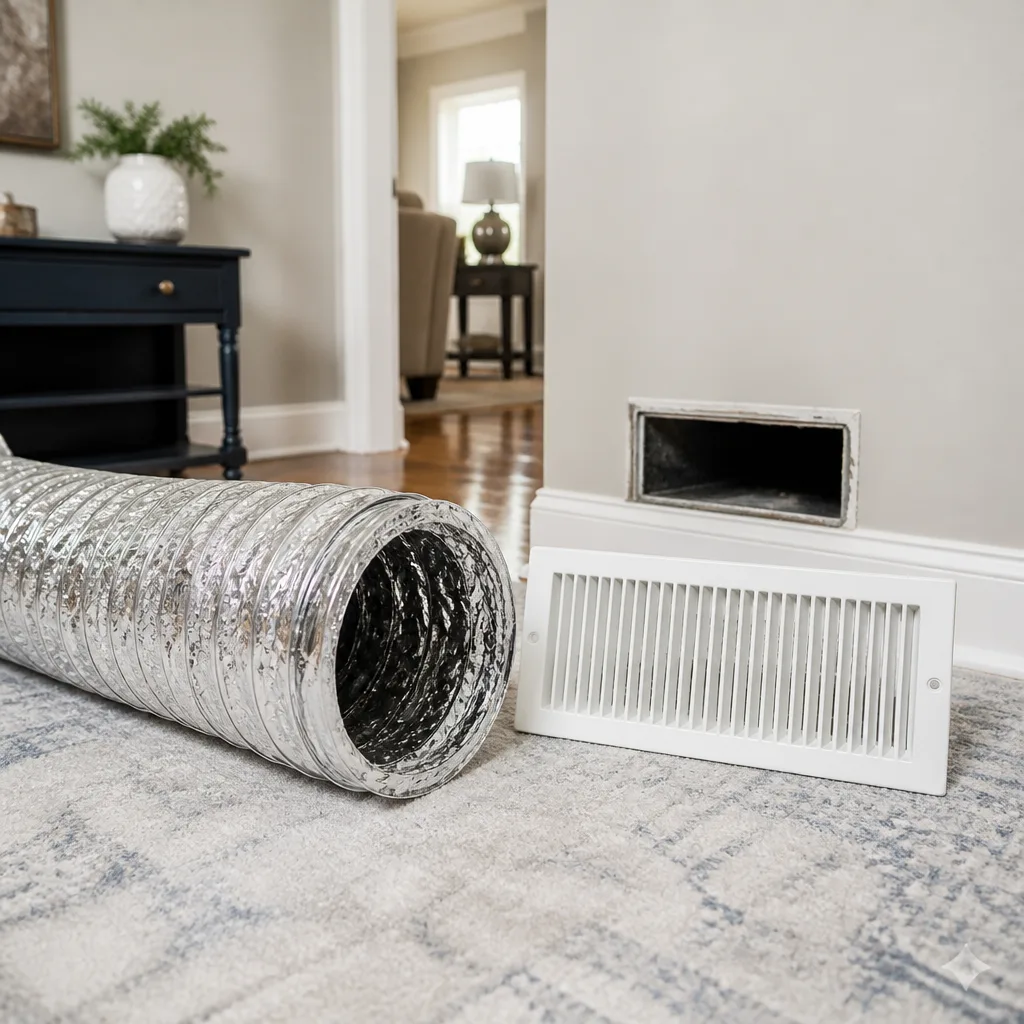 Whole-home duct cleaning
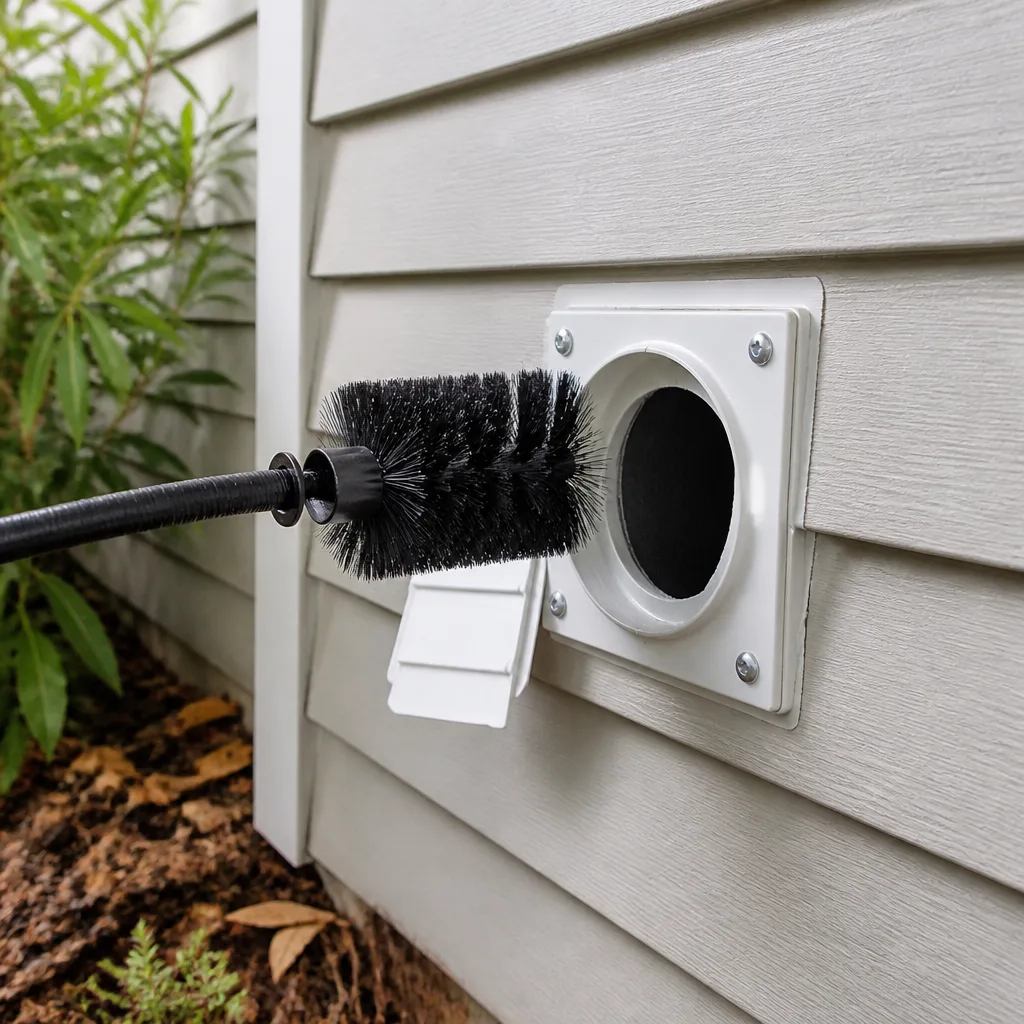 Dryer vent cleaning
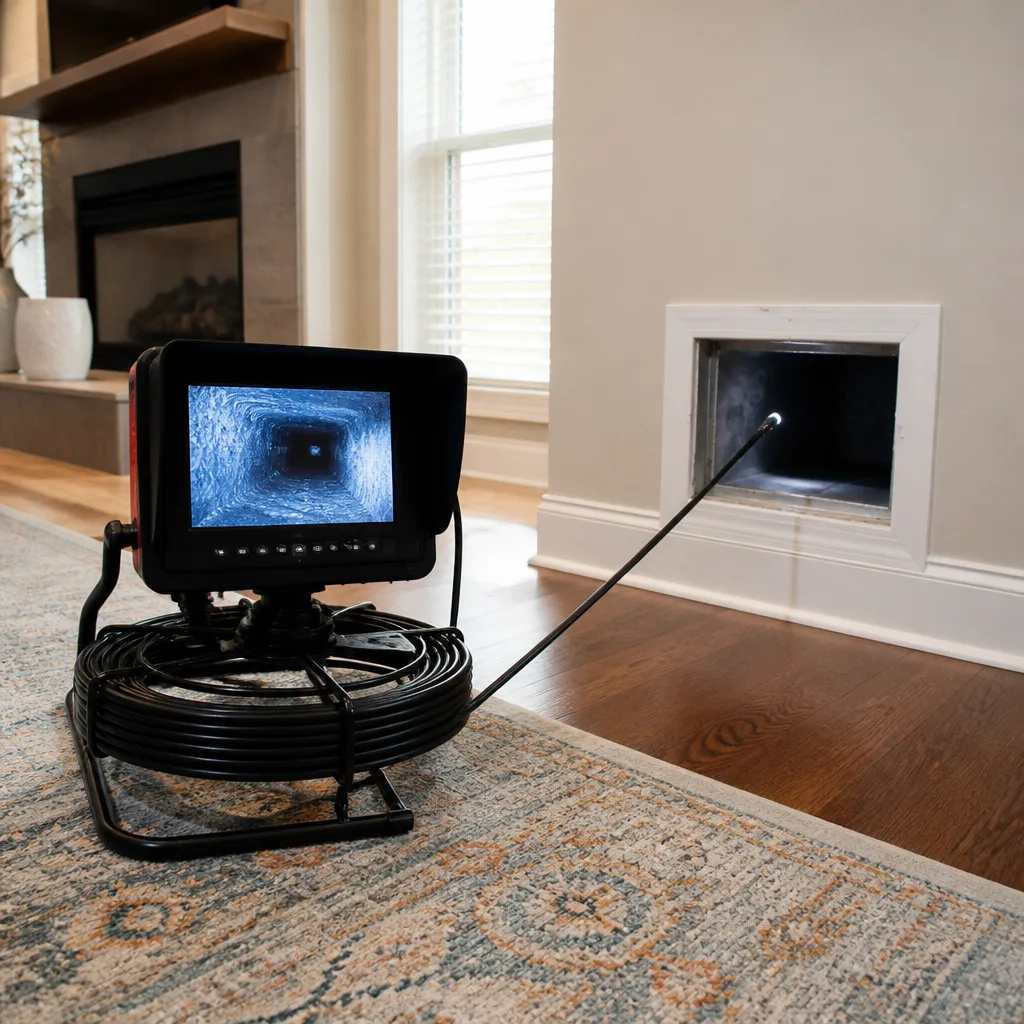 Camera inspection
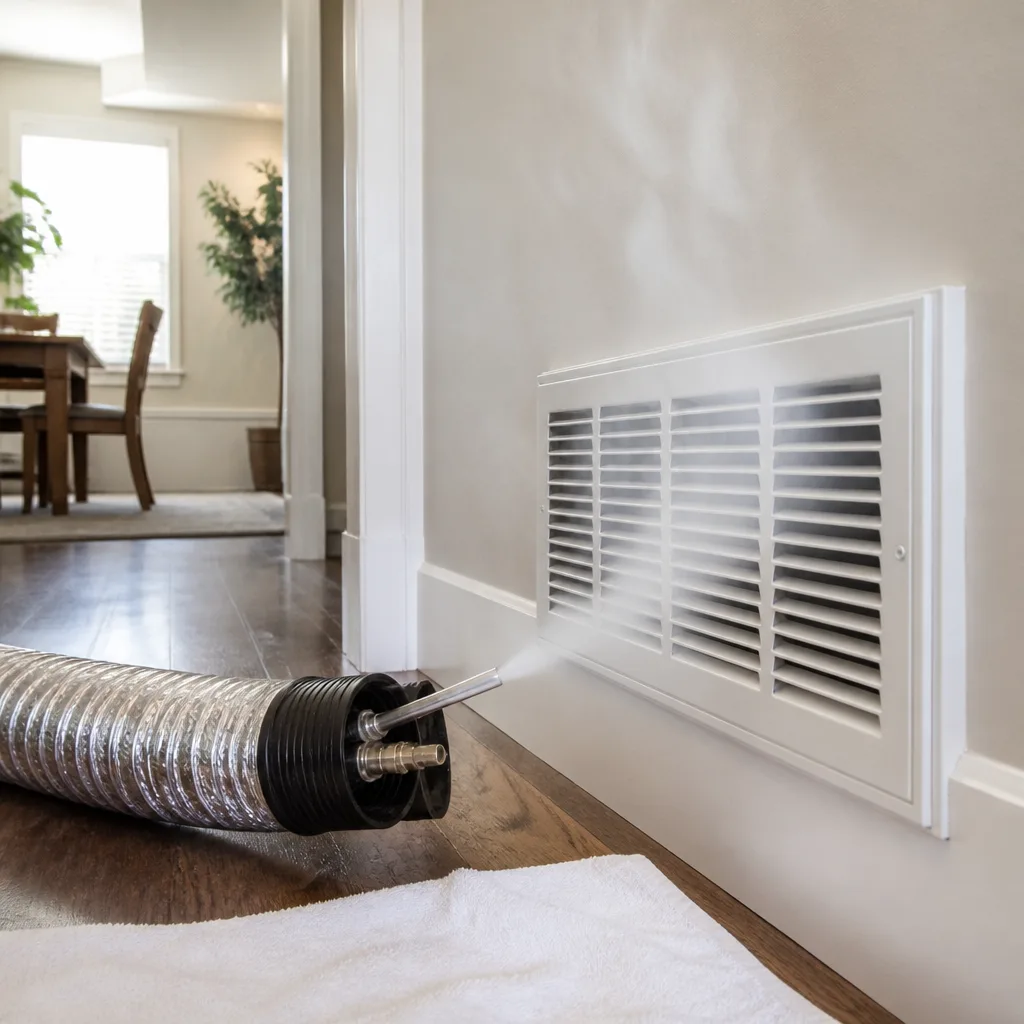 Sanitizing & deodorizing
Whole-system duct and dryer vent check with before-and-after photos - you see exactly what came out of your vents
That "$99 whole-house special" is a bait ad - the real number appears once they are in your hallway, or the "clean" is a shop-vac at the register. We photograph the inside of your ducts before and after instead.
Air Duct Repair Maintenance Checklist for Sparks Homeowners
A professionally cleaned duct system with a disconnected flex duct section behind a wall is cleaner air going directly into your attic, not into your living room. That’s the part of duct work most homeowners never see, and it’s why cleaning alone can’t fix a system that’s quietly leaking a quarter of its conditioned air before it reaches a register. In this guide, we’ll walk through a room-by-room inspection you can do yourself, the failure points most common in Sparks homes, and the maintenance intervals that actually match the age of your system.
Quick Answer
Air duct repair in Sparks starts with inspection, not cleaning. Check every supply and return grille for balanced airflow, look for sagging or disconnected flex duct in the attic, and have any system older than 15 years pressure-tested for leaks at joints, collars, and trunk seams. Cleaning removes debris; repair stops the air loss that debris hides.
Styles & brands we work with
- Whole-home duct cleaning
- Dryer vent cleaning
- Camera inspection
- Sanitizing & deodorizing
Table of Contents
- Why Cleaning Alone Doesn’t Fix a Leaking System
- Room-by-Room Inspection Checklist
- Failure Points Common in Nevada Tract Homes
- Reading Static Pressure as a Leakage Proxy
- Mastic, Metal Tape, and Duct Tape: What Lasts
- Maintenance Intervals by System Age
- Common Mistakes to Avoid
- When to Call a Professional
Why Cleaning Alone Doesn’t Fix a Leaking System
Cleaning addresses what’s inside the duct. Repair addresses what’s happening at the seams. Those are two different jobs, and only one of them shows up on a coupon mailer. A duct system in Sparks that’s more than 15 years old is a strong candidate for leakage at flex duct joints, collar connections, and trunk line seams, and no amount of vacuuming closes those gaps.
Here’s the practical consequence. When a flex run separates from its collar in the attic, the blower keeps pushing air. That air doesn’t stop existing because the connection failed. It dumps into the attic, which in a Sparks summer is already the hottest space in the house. You pay to cool air that never reaches the bedroom, and the attic gets a little warmer in the process.
We’ve seen this pattern repeatedly: a homeowner books air duct cleaning expecting better airflow, and the real problem is a two-inch gap behind a register boot. Cleaning makes the system healthier. Repair makes it work. Both matter, and they’re best done together.
This is also why we treat duct repair as a standalone service rather than a referral. Our technicians have up to experience finding these failures, and when a cleaning inspection turns one up, we can fix it on the same visit instead of scheduling a second company to come back out.
Room-by-Room Inspection Checklist
You can do a meaningful inspection yourself with no tools beyond your hands and a flashlight. Work through the house one room at a time and note anything that seems off. This isn’t a substitute for a professional pressure test, but it will tell you whether to call.
- Hold your hand at each supply grille. Airflow should feel similar from room to room. A weak register next to a strong one usually means a damper is closed or a run has come loose further upstream.
- Check return grilles for obstructions. Furniture, rugs, and storage pushed against a return starve the system. A return that’s blocked forces the blower to pull air from wherever it can, including attic gaps.
- Look at the grille screws and finish. Dust streaks radiating from a grille edge can mean air is escaping around the boot rather than through it.
- Walk the attic and look for sagging flex duct. Flex runs should be supported and relatively straight. A run that dips between hangers collects resistance and, over time, can pull loose at the collar.
- Run your hand along visible flex near the air handler. Feel for cool air escaping at the collar connection while the system runs. That’s a live leak you’ve just found for free.
- Check the filter slot and blower compartment. A filter that’s visibly loaded means the system is working harder than it should, which stresses every joint downstream.
- Note temperature differences between floors. A second story that runs warm while the first floor is comfortable often points to trunk line leakage or an undersized return.
Write down what you find. A list of weak registers and one obvious attic gap is exactly the kind of information a technician can use to focus the inspection instead of starting from zero.
Failure Points Common in Nevada Tract Homes
Sparks housing stock has a lot in common with the rest of the region: a large share of it is tract construction built in waves, with flexible duct in the attic and a single central return. That construction style is efficient to build and demanding to maintain in a desert climate. Three failures come up again and again.
- Mastic joint separation. The sealant applied at collars and seams dries out and cracks over time, especially in attics that swing between extreme heat and cold nights. Once mastic fails, the joint is open.
- Insulated flex duct punctures. Attic storage is the culprit. Boxes set down on a flex run, or a knee board laid across it, crush the insulation and can tear the inner liner. The outer jacket hides the damage until airflow drops.
- Undersized return plenums. A return that’s too small for the blower creates high static pressure throughout the system. That pressure finds every weak joint and pushes air out of all of them at once.
The summer heat raises the stakes. Attics in Sparks routinely exceed 140°F, and duct insulation that’s been compressed or torn loses much of its ability to keep supply air cold on the way to the register. You end up with a system that runs longer, costs more, and still leaves the back bedroom warm.
Sparks sits in high desert, which means dry air, big temperature swings between day and night, and a long cooling season. That combination is hard on sealants and insulation in a way that a mild coastal climate simply isn’t. If your home is in an older neighborhood with original flex duct, the odds of at least one failed joint are high.
Reading Static Pressure as a Leakage Proxy
Static pressure is the resistance your blower works against, measured in inches of water column. A technician reads it with a manometer at the air handler, and a number outside the manufacturer’s range is a strong signal that the duct system is restrictive or leaking. You don’t need your own equipment to use this information. You need to know what to ask.
When a technician tests your system, here’s how to interpret the result:
- Within the manufacturer’s range: the duct system is moving air about as well as it was designed to. Any leakage is probably minor and can be monitored.
- Above the range on the supply side: the blower is pushing against restriction, often undersized returns or crushed flex. Air is finding escapes.
- Above the range on the return side: the system is starved for return air. This is common in homes with a single small return grille serving the whole house.
- High total external static pressure with weak airflow at the registers: the classic combination of leakage plus restriction. Cleaning helps, but sealing is what changes the number.
Ask the technician for the actual reading before and after any work, and ask what the equipment’s rated maximum is. A professional will give you both numbers without hesitation. If a contractor can’t tell you what your static pressure was, they haven’t measured the system, and any repair recommendation is a guess.
This is the kind of verifiable detail that matters if you’re selling a home or documenting conditions for a rental inspection. A recorded before-and-after reading is something you can hand to a buyer or a property manager.
Mastic, Metal Tape, and Duct Tape: What Lasts
The material used to seal a joint determines how long the repair holds, and in a Sparks attic the difference is dramatic. Attic temperatures above 140°F in summer are brutal on adhesives. What works in a conditioned basement fails in a desert crawlspace.
- Mastic sealant is a brushable or trowel-applied compound that bonds to metal and flex collars and cures into a flexible seal. It’s the standard for durable duct repair because it doesn’t rely on adhesive backing that heat can soften. Applied correctly, it holds through temperature cycling far better than tape.
- Metal foil tape with a listed adhesive works well on rigid metal joints when the surface is clean and the tape is pressed properly. It’s a reasonable choice for accessible trunk seams. It is not a substitute for mastic at flex collars.
- Standard cloth duct tape is the wrong material for duct sealing, despite the name. Its adhesive dries out and lets go, often within a season or two in a hot attic. If you find duct tape on a joint, treat that joint as unsealed.
One more consideration: insulation. Sealing a joint without restoring the insulation around it leaves a cold spot that can sweat and stain in winter, and it wastes cooling in summer. A proper repair seals the joint and puts the insulation jacket back the way it was designed to sit.
We carry professional-grade sealing materials and use Abatement Technologies air filtration equipment during repair work so debris disturbed in the process is captured rather than spread through the house. That’s the same standard used in professional remediation work, and it’s the difference between a repair that leaves the home cleaner and one that doesn’t.
Maintenance Intervals by System Age
What your duct system needs depends heavily on how old it is. A newer system with rigid metal trunk lines and sealed joints has a different maintenance profile than a 20-year-old system with original flex duct throughout. Here’s a reasonable schedule by age.
Systems Under 10 Years Old
- Replace filters on the schedule the equipment calls for, and don’t stretch the interval during heavy cooling season.
- Visual check of accessible attic duct once a year, looking for sagging, pest damage, or punctures from storage.
- Confirm return grilles stay unobstructed as furniture and storage change.
Systems 10 to 15 Years Old
- Everything above, plus a static pressure reading to establish a baseline you can compare against later.
- Inspect collar connections and trunk seams for mastic cracking, since this is when original sealant starts to fail.
- Schedule air duct cleaning if you’ve never had it done, and have the technician note any repair findings during the visit.
Systems 15 to 20 Years Old
- Full inspection including flex duct condition, joint integrity, and return sizing.
- Pressure test to quantify leakage before deciding whether to seal or replace runs.
- Consider duct sealing as a planned project rather than a reaction to a specific failure.
Systems Over 20 Years With Original Flex Duct
- Expect to find at least one separated or damaged run. Plan for repair, not just inspection.
- Evaluate whether individual runs can be sealed and reinsulated or whether replacement makes more sense for the worst sections.
- Check the dryer vent as part of the same visit. A duct system this old often has a dryer vent with the same age and the same wear.
Dryer vents deserve their own line item on any maintenance calendar. Lint accumulation in a vent run is a leading household fire risk, and many duct-only cleaners skip it entirely. We handle dryer vent cleaning as one of our three core services for exactly that reason.
Preventing Attic Storage Damage
Most flex duct damage in Sparks attics isn’t caused by the HVAC system at all. It’s caused by what gets stored on top of it. Homeowners add holiday boxes, sports equipment, and spare furniture to the attic, and flex duct is soft enough that a single heavy box crushes the inner liner and compresses the insulation for good.
A few rules keep storage from becoming a duct repair:
- Build a raised storage platform with clearance above the duct runs rather than laying boards directly on them.
- Mark duct paths with tape or chalk on the joists so anyone accessing the attic knows where not to step.
- Never rest anything on a flex run, even briefly, even for a minute while you’re looking for something.
- Check the runs after any attic project, whether that’s cable installation, a solar add-on, or pest control work.
If you’re already seeing crushed sections, that’s a repair item, not a cleaning item. Compressed insulation doesn’t bounce back on its own.
Filtration and Indoor Air Quality
Sealed ducts and clean ducts are the foundation. Filtration is the layer on top, and it’s where a lot of homeowners overspend without results. A high-MERV filter in a restrictive duct system can actually raise static pressure and make leakage worse, which is the opposite of what you want.
We work with Honeywell and Aprilaire indoor air quality systems and can help you match filtration to what your blower can actually handle. The right answer depends on your duct sizing and your static pressure reading, not on the filter’s rating alone. Our cleaning equipment, including the Rotobrush rotary brush system and Nikro HEPA-rated vacuum, is chosen for the same reason: professional-grade tools do a measurably different job than consumer equipment. We apply Guardsman-grade protection standards to finished work so the surfaces we touch are left protected.
For a broader look at how cleaning fits into this picture, our Duct Cleaning Sparks page covers the process from start to finish, and our Sparks page covers service details for the area.
See the difference
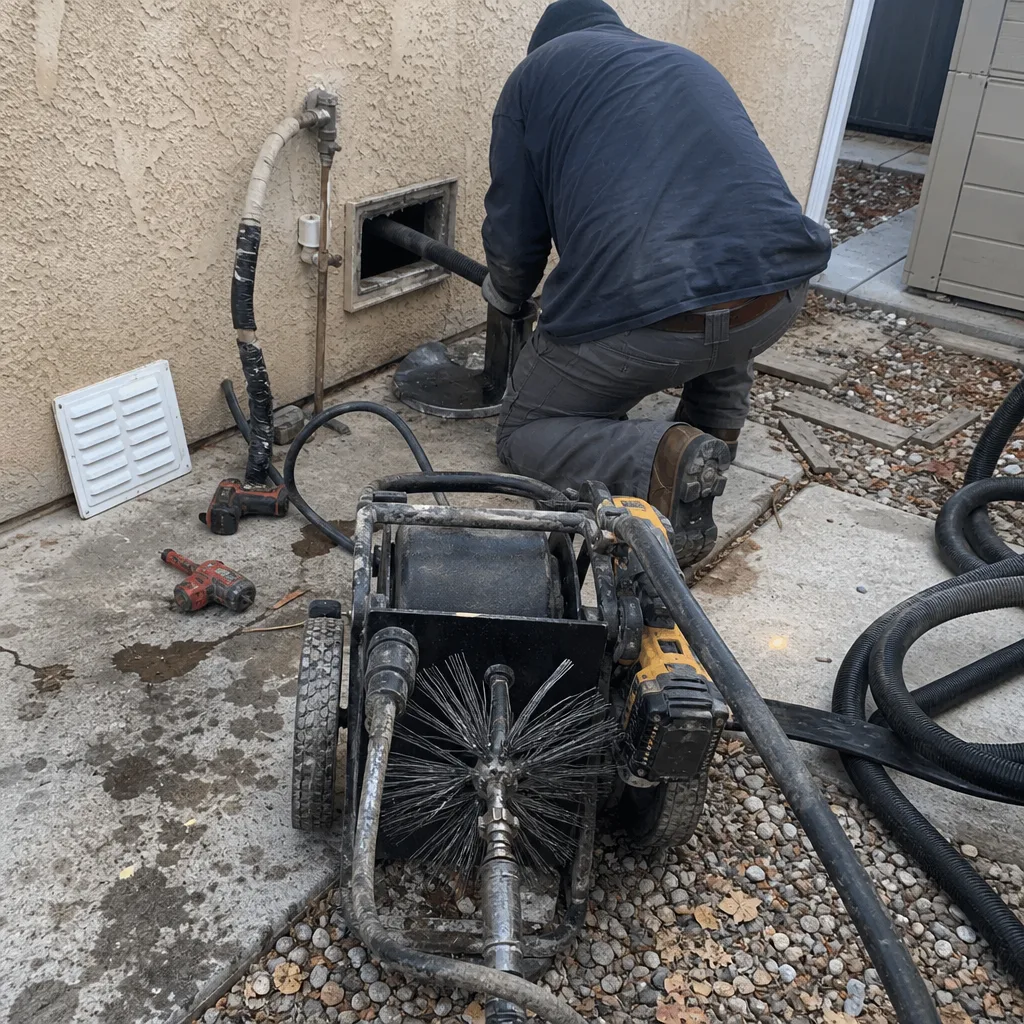 Before
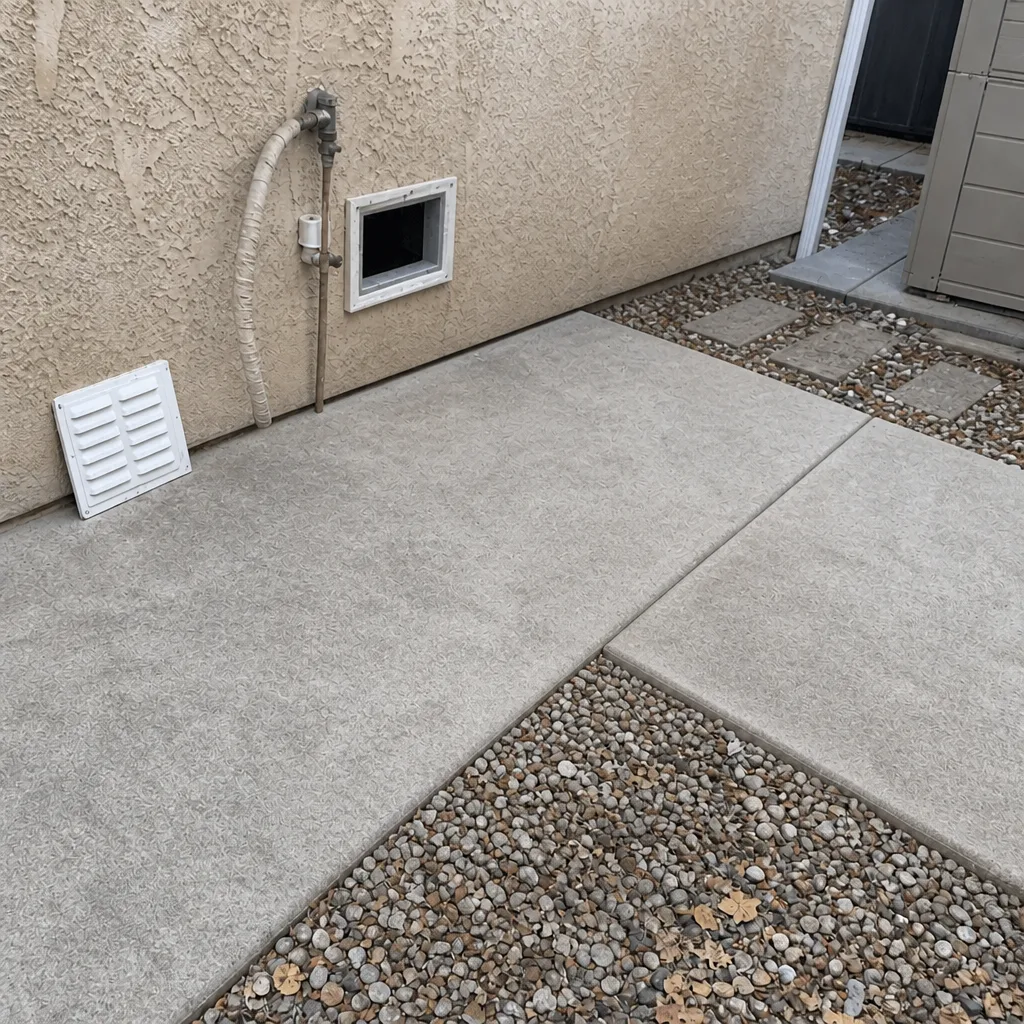 After
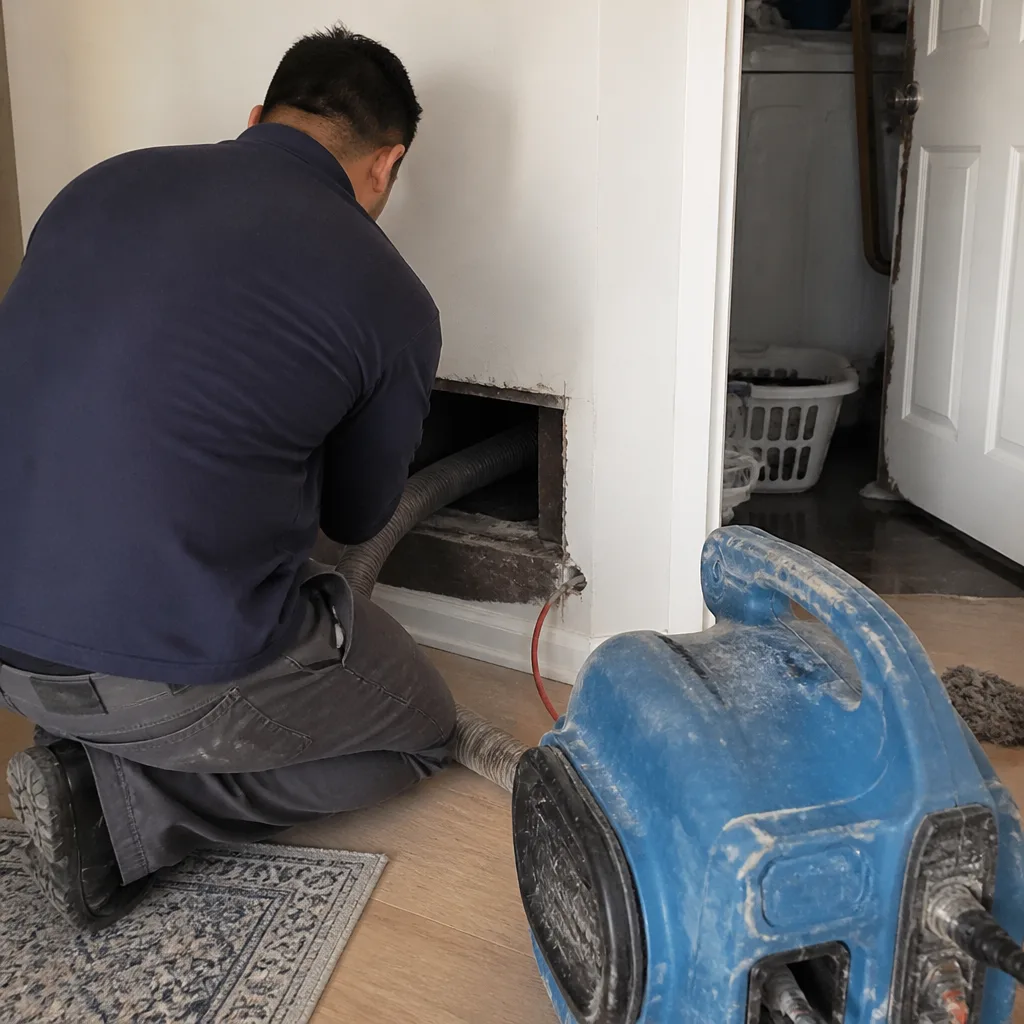 Before
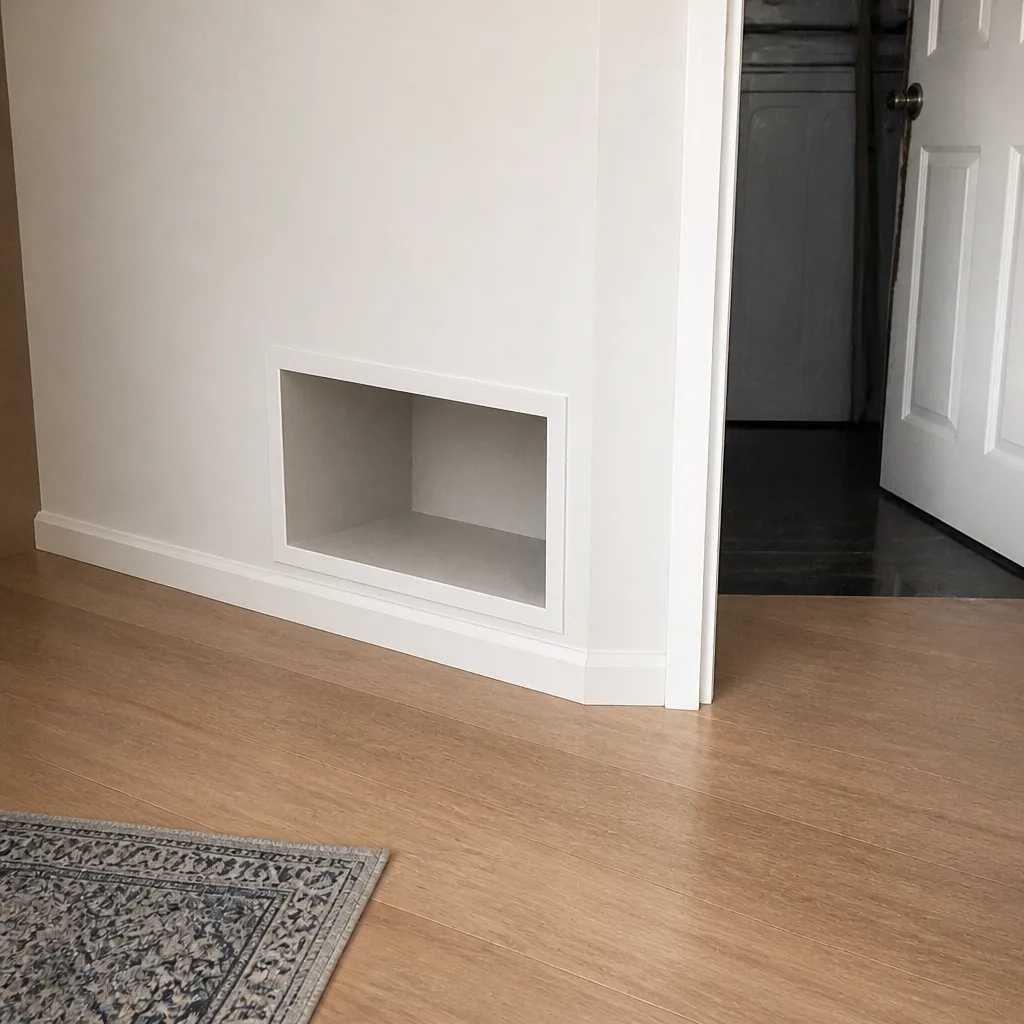 After
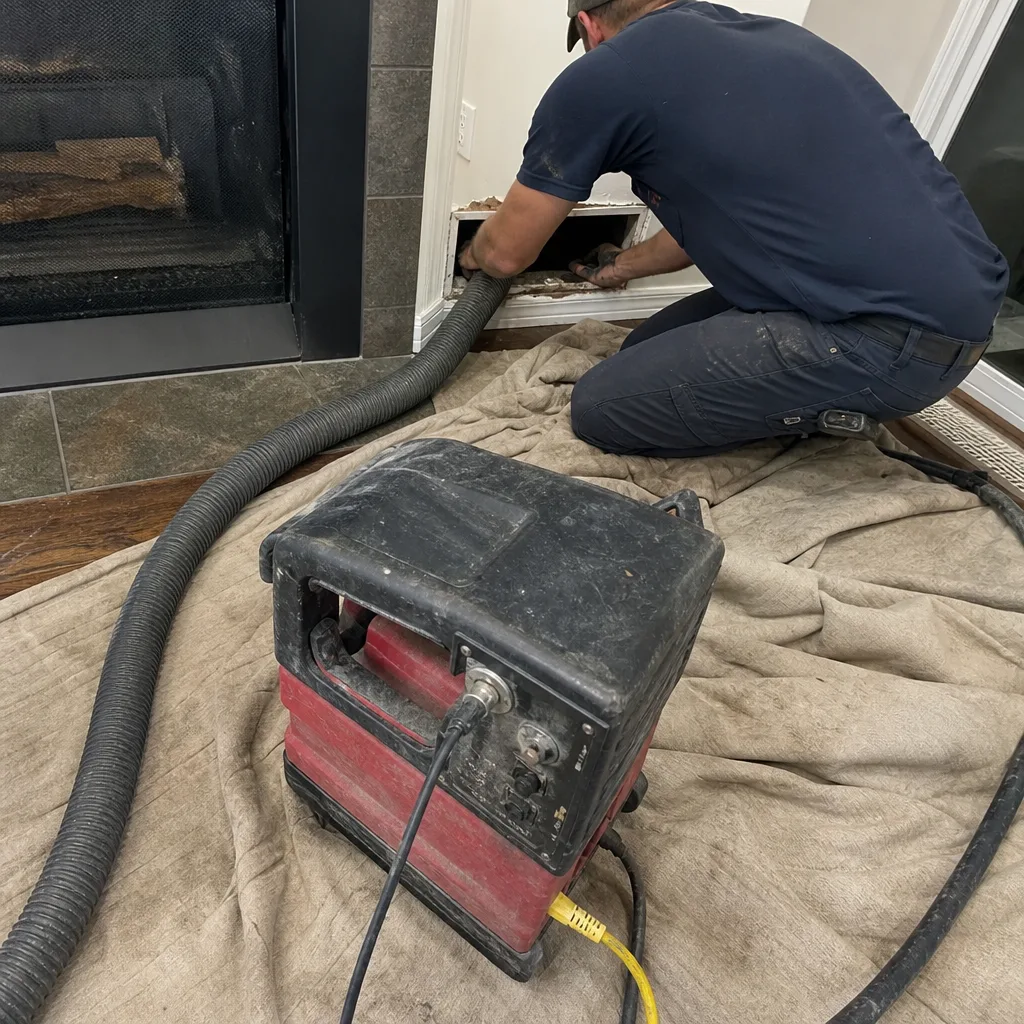 Before
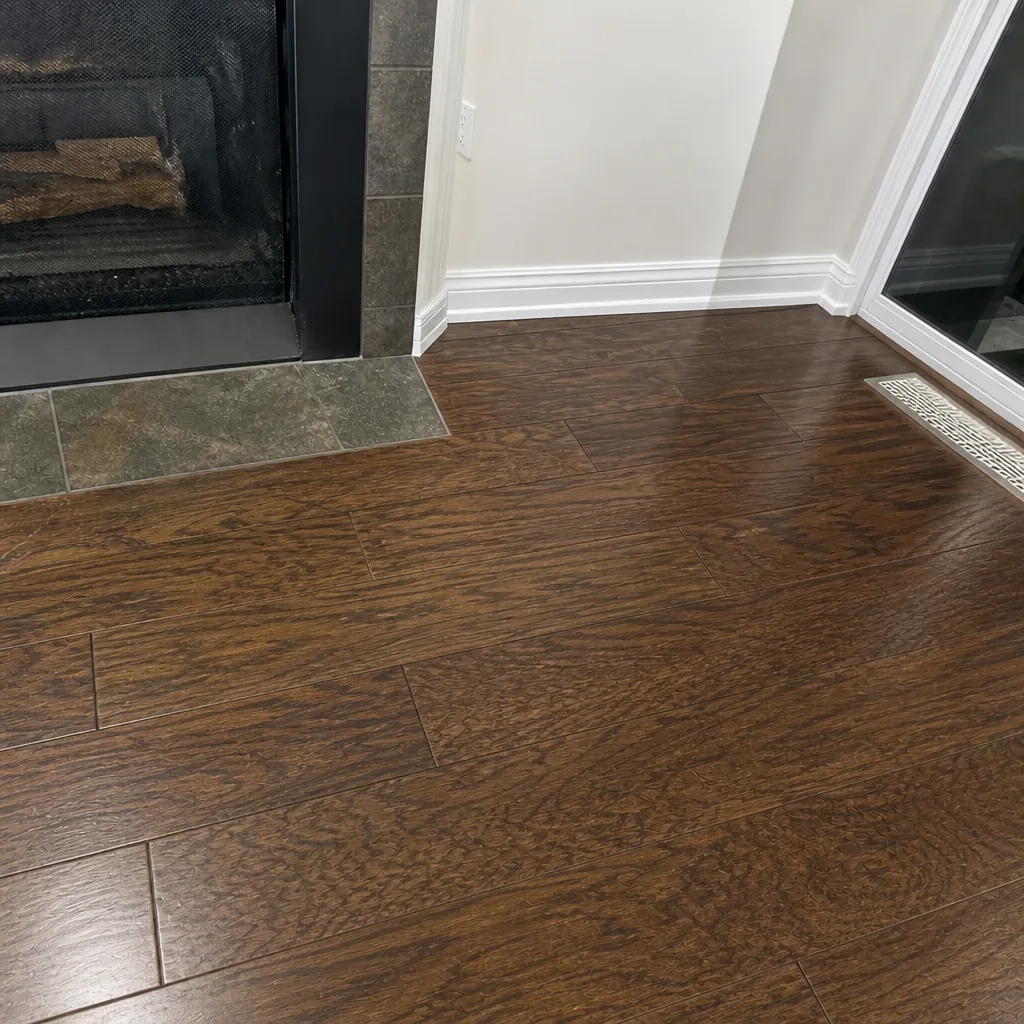 After
Common Mistakes to Avoid
- Booking a cleaning and assuming the airflow problem is solved. If a run is disconnected, cleaning it doesn’t reconnect it. Ask specifically whether the inspection includes joint and collar checks.
- Sealing joints with cloth duct tape. It fails fast in a hot attic. Mastic or listed foil tape is the correct material, and the difference shows up within a couple of seasons.
- Ignoring the return side. Homeowners focus on supply registers because that’s where they feel the air. An undersized return starves the whole system and pushes air out of every weak joint.
- Choosing the lowest quote without asking what equipment will be used. A shop-vac setup and a truck-mounted or rotary brush system are not the same service, even if the invoice says “duct cleaning” on both.
- Storing boxes on flex duct in the attic. This is the single most common cause of puncture damage we find in Sparks, and it’s entirely preventable with a raised platform.
- Skipping the dryer vent. A duct cleaning that doesn’t include the dryer vent leaves a fire risk untouched. Ask whether it’s included or available as part of the visit.
- Not asking for before-and-after photos. The work happens in spaces you’ll never crawl into. Photos of your own ducts are the simplest way to confirm the job was done.
When to Call a Professional
Call a professional if you’ve found a visible gap or disconnected run in the attic, if one or more rooms never get comfortable no matter what you set the thermostat to, if you’ve noticed dust returning quickly after cleaning, or if your system is past 15 years old with original flex duct and you’ve never had it inspected. Also call if you’re preparing a home for sale or a rental inspection and need documented condition reports.
Duct Cleaning Sparks offers free estimates in Sparks. We use Rotobrush and Nikro professional-grade equipment, inspect for repair issues during cleaning, and fix what we find on the same visit. Call (888) 561-9258. We answer 24/7. Fast dispatch from 7am to 7pm, Sunday through Friday.
Frequently Asked Questions
Air duct repair in Sparks is priced per job based on what’s actually wrong, not per vent or per hour. Small joint sealing work costs far less than replacing damaged flex runs, and the written estimate sets the final price before any work starts. Call (888) 561-9258 for an exact quote. Estimates are free.
Weak airflow at some registers, rooms that never reach temperature, and cool air you can feel escaping at attic collars are the most reliable signs a homeowner can check. A static pressure reading confirms it. If your system is over 15 years old, leakage is likely enough to justify a professional test.
Yes. Duct repair is a standalone service for us, so when an inspection during cleaning turns up a separated joint or a punctured flex run, we can fix it before we leave rather than referring you to another company. That’s the main reason we offer both under one roof.
Lower quotes usually reflect lighter equipment and a faster process: a shop-vac setup rather than a rotary brush system, no HEPA-rated vacuum, and no repair inspection. The price is lower because less is being done. Ask any contractor what equipment they’ll use and whether repair findings are included before you compare numbers.
Ask for before-and-after photos of your own ducts. The work happens in spaces most homeowners never see, so photos are the most direct confirmation available. A contractor who documents the job with images is giving you something you can keep for a sale or an inspection record.
Most homes do well with cleaning every few years, but the schedule should follow conditions rather than a fixed calendar: pets, recent renovation, visible dust at the registers, or a system past 15 years old all shorten the interval. Inspection matters more than frequency. Call (888) 561-9258 for an exact quote on your system.
The Bottom Line
Cleaning is half the job. The other half is finding and sealing the leaks that a cleaning alone will never fix, and in Sparks that means checking collar connections, trunk seams, and flex runs in attics that routinely pass 140°F. Walk your own registers, look for sagging duct, and ask for a static pressure reading before you accept any recommendation. If your system is over 15 years old with original flex duct, plan for a repair inspection rather than a cleaning alone. Duct Cleaning Sparks offers free estimates. Call (888) 561-9258. We answer 24/7. Fast dispatch from 7am to 7pm, Sunday through Friday.
Written by the team at Duct Cleaning Sparks.